
Last updated November 25, 2026
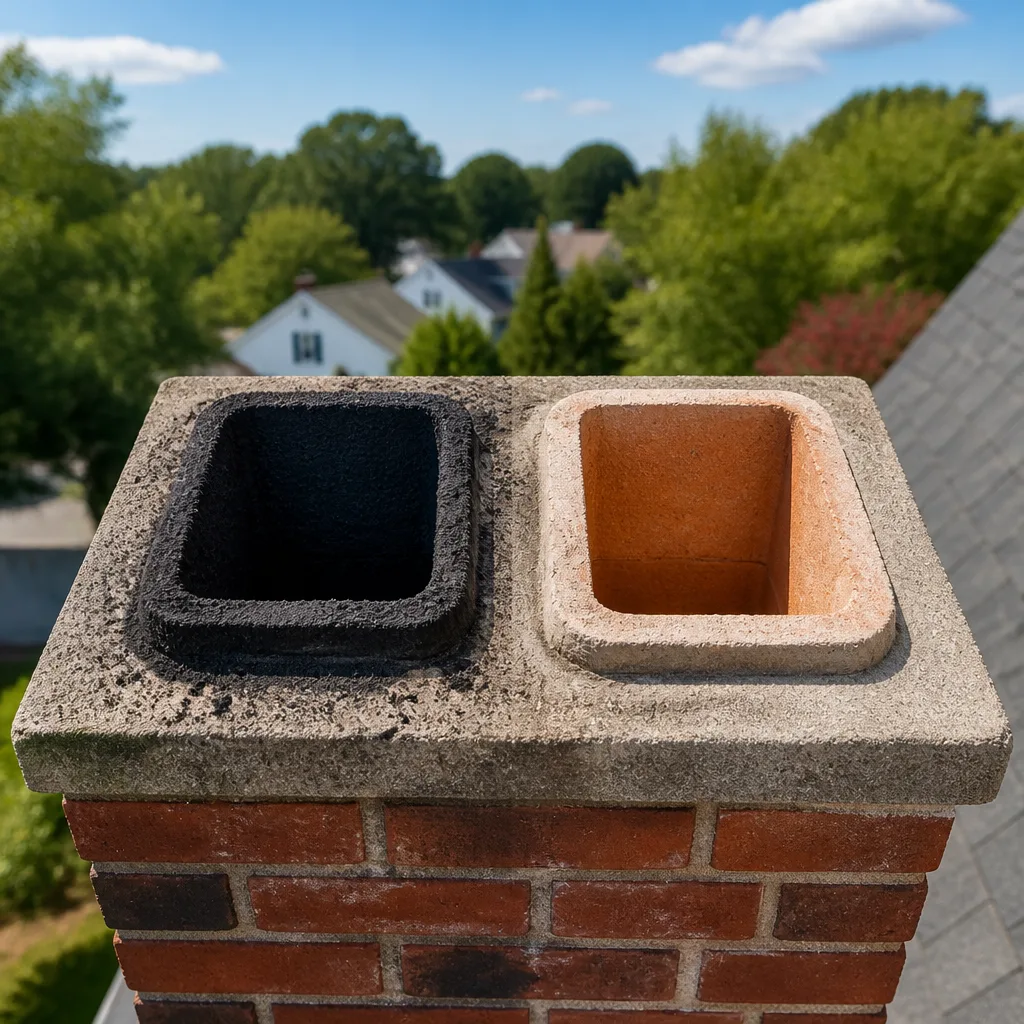 Sweep & inspection
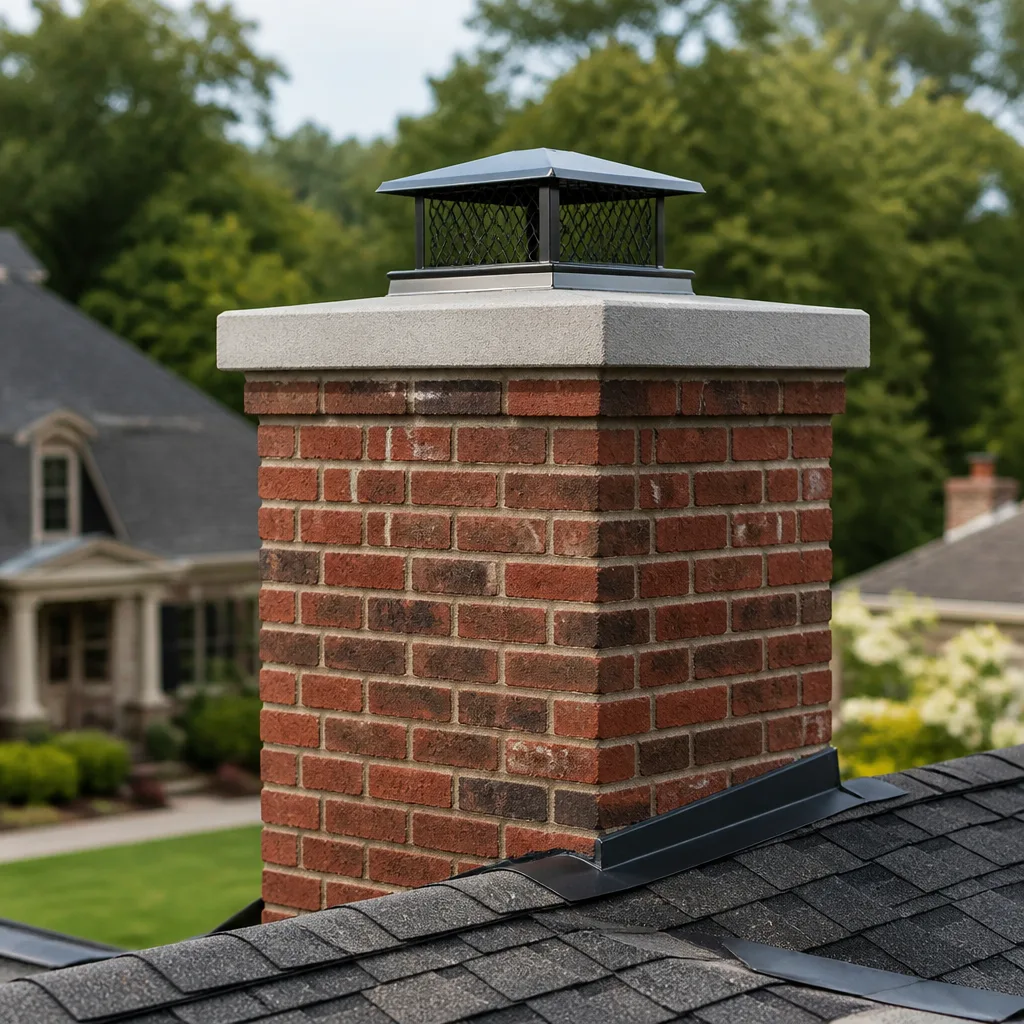 Caps & crowns
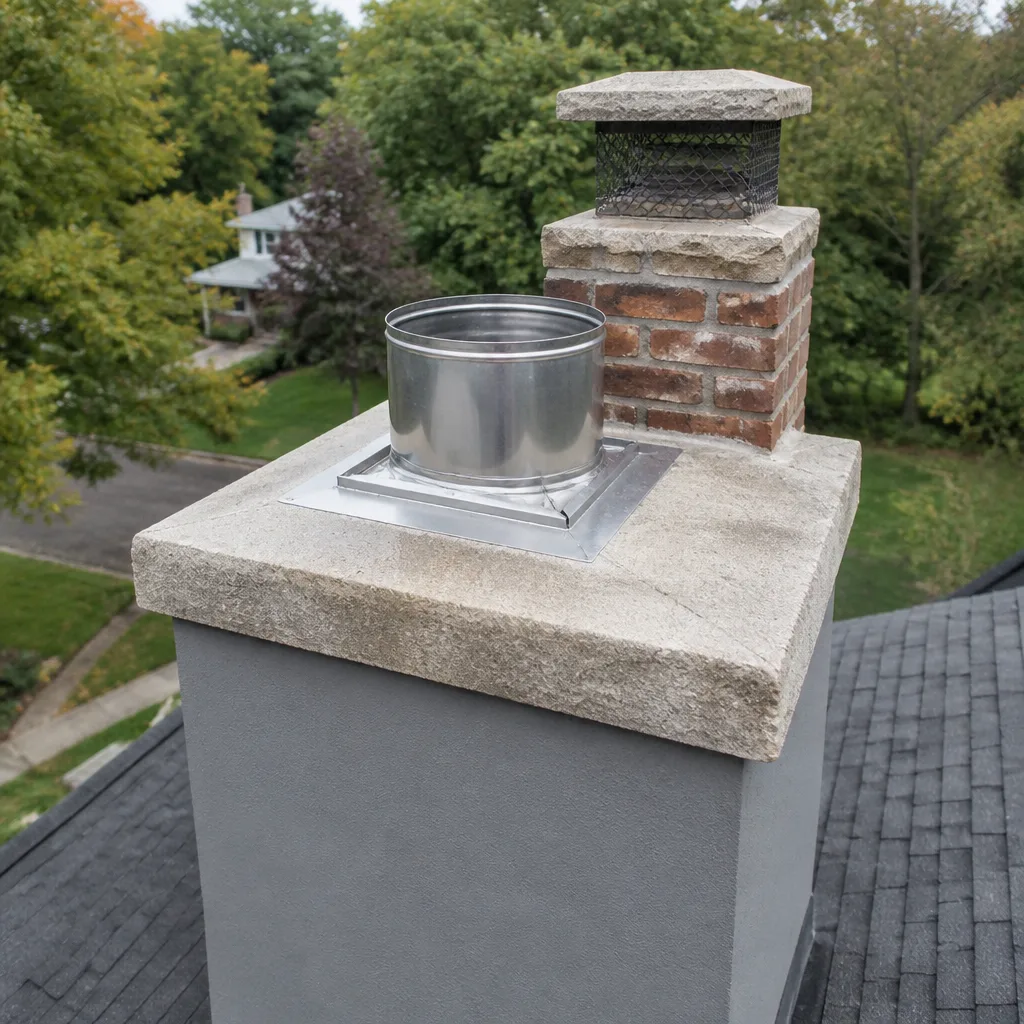 Flue relining
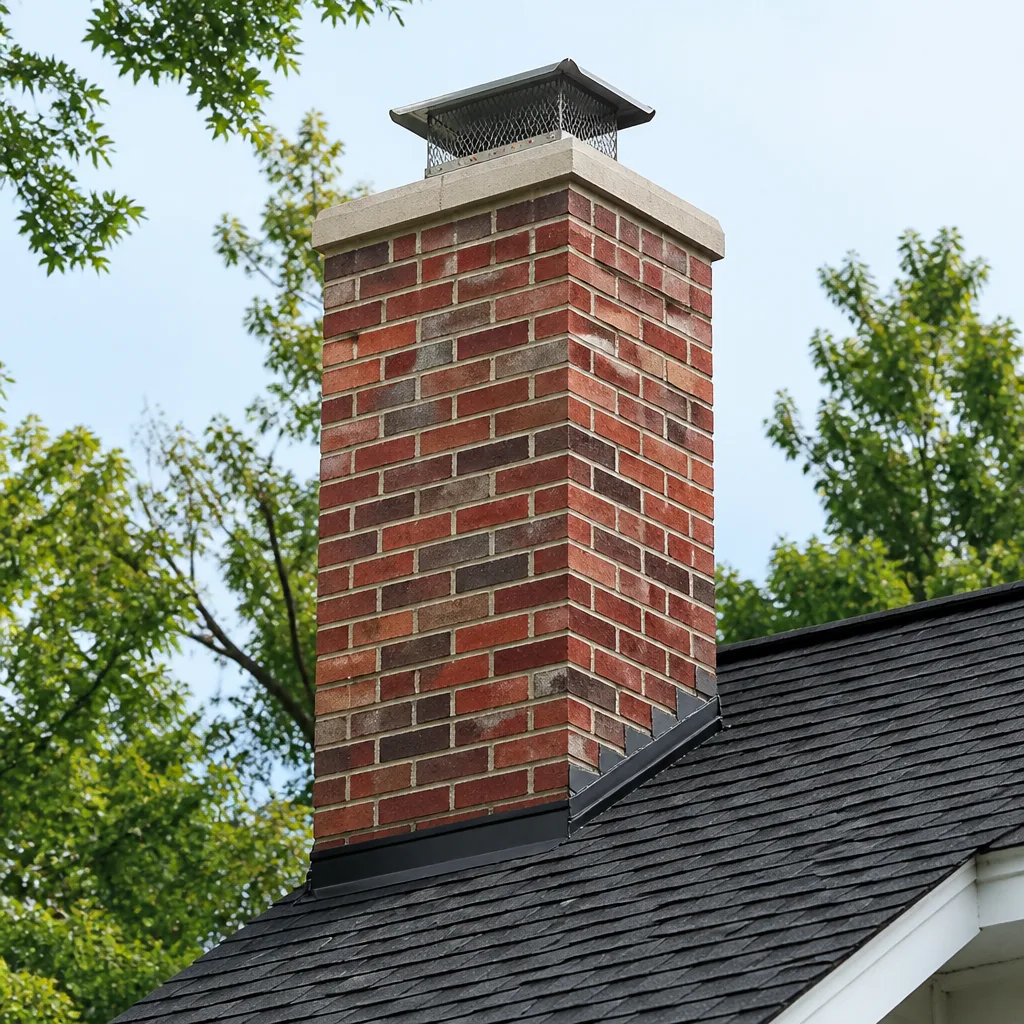 Masonry repair
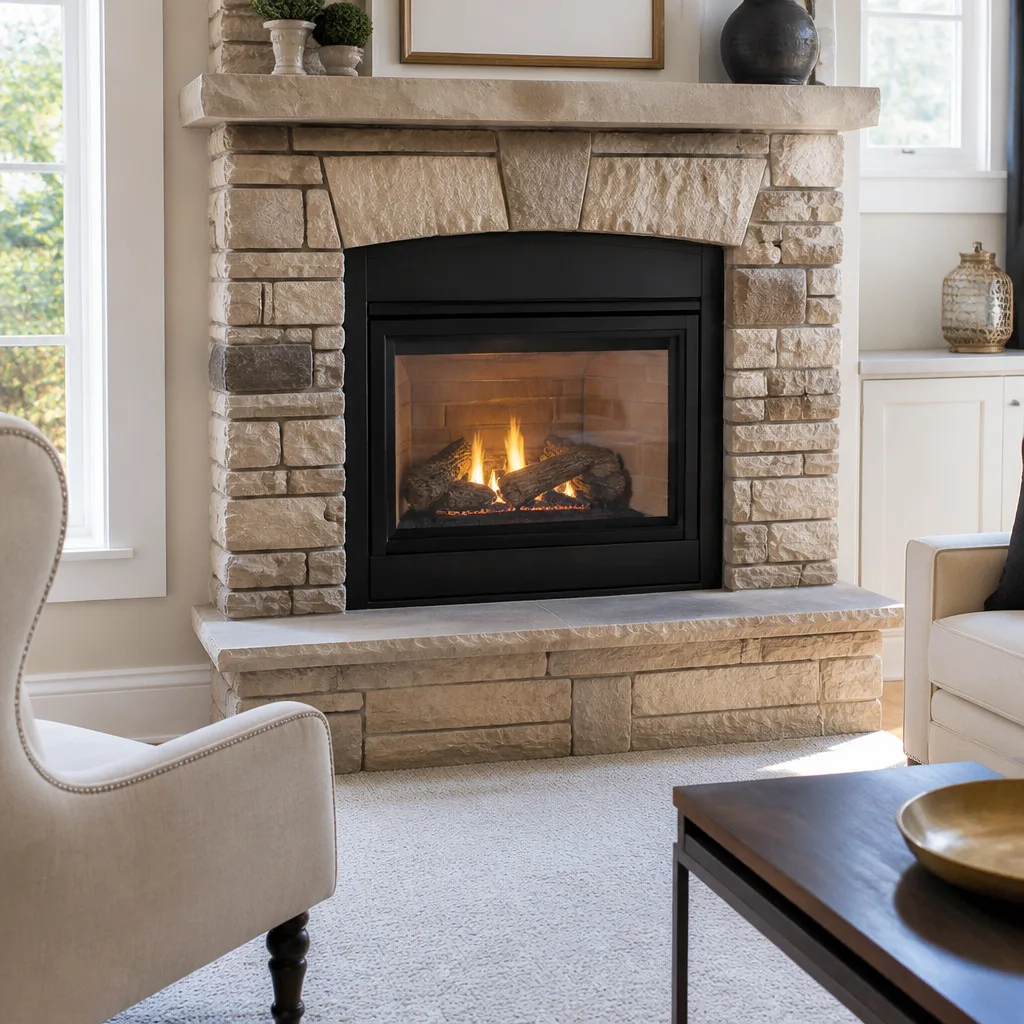 Gas fireplace service
Level 1 sweep and inspection to the NFPA 211 annual standard - flue, crown, cap, and flashing checked and photographed
Chimney sweep logs do not sweep chimneys. They loosen some creosote - which then falls where a brush and vacuum still have to collect it.
Seasonal Chimney Cleaning Care for Pelham Bay: Year-Round Homeowner’s Guide
Most homeowners think about the chimney once a year, usually in October, when the first cold snap hits and everyone in the neighborhood suddenly wants a sweep. That single-season habit is expensive. In Pelham Bay, the damage that shows up as a crumbling crown or a loose mortar joint in fall was almost always set in motion months earlier, during the freeze-thaw cycles of winter and the wet spring that follows. The most costly chimney repairs we see aren’t caused by neglect of a fall cleaning. They’re caused by treating the chimney as a seasonal appliance when it’s really year-round infrastructure. This guide walks through what each season asks of a Pelham Bay chimney, what to check and when, and how to schedule work so you’re not competing for a mason’s time in the busiest weeks of the year.
Quick Answer
Year-round chimney care in Pelham Bay means inspecting and repairing after winter’s freeze-thaw damage in spring, addressing moisture and animal nesting in summer, sweeping and checking the liner before heating season in fall, and monitoring draft and crown ice in winter. Scheduling non-urgent liner and crown work in summer, when mortar cures well and trades have room in their calendars, usually protects the chimney better than waiting for an autumn scramble.
Styles & brands we work with
- Sweep & inspection
- Caps & crowns
- Flue relining
- Masonry repair
- Gas fireplace service
Table of Contents
- Why Chimney Care Is a Four-Season Job in Pelham Bay
- Spring: Post-Freeze Damage Assessment
- Summer: Moisture Intrusion and Animal Nesting
- Fall: Pre-Season Sweep and Liner Check
- Winter: Draft Performance and Ice at the Crown
- How Long Island Sound Humidity Affects Pelham Bay Masonry
- A Month-by-Month Task Calendar for Pelham Bay
- Common Mistakes to Avoid
- When to Call a Professional
Why Chimney Care Is a Four-Season Job in Pelham Bay
A chimney in Pelham Bay faces four distinct stress periods, not one. Each season does something different to the masonry, the liner, and the cap and crown assembly, and each leaves a different kind of evidence behind. The homeowner who understands what to look for after each period catches small problems while they’re still small.
Here’s the seasonal pattern we see again and again:
- Winter drives water into hairline cracks, freezes it, and expands it. That expansion quietly widens mortar joints and lifts crown edges.
- Spring reveals the damage. Thawing and rain push moisture through the cracks winter opened, and cracks that looked cosmetic in December are visibly wider by April.
- Summer brings the moisture load from humid air and the wildlife that treats an uncapped flue as prime real estate. It’s also when masonry work cures best.
- Fall is the pre-season window: sweep the flue, verify the liner, and confirm the cap is intact before the first fire.
The core idea is simple. A chimney is a system, from the crown to the firebox, and every part of that system responds to weather. When one part fails, the failure travels. A cracked crown lets water into the masonry, water in the masonry rusts or spalls the liner, and a compromised liner changes how the flue drafts. Catching the crown crack in April prevents the liner problem in October. That’s the whole argument for year-round care in a nutshell. For a full breakdown of how a sweep fits into this, see our guide to a professional chimney sweep.
Spring: Post-Freeze Damage Assessment
Spring is when the most chimney damage actually becomes visible in Pelham Bay. Winter’s freeze-thaw cycles have done their work on crowns and mortar joints. The thaw exposes what the ice widened, and catching those cracks in April costs a fraction of what the same repair costs in October, when every sweep and mason in the Bronx is booked solid.
What to look at first thing in spring:
- The crown. Look for cracks, separation from the flue, or a crown that’s started to dish or slope toward the chimney instead of away from it. A crown that no longer sheds water is the single most common source of slow masonry damage.
- Mortar joints. Run your eye up the exterior stack. Receded, crumbling, or missing mortar between bricks means water has a path in.
- Spalling brick faces. Brick that’s flaking or popping off its face has absorbed water and frozen. That’s a moisture problem showing its work.
- Staining. White efflorescence or dark water staining on the exterior or in the firebox tells you water is moving through the assembly.
- The cap. A cap that shifted over the winter, lost a screen panel, or pulled loose from its legs is now an open door for rain and wildlife.
Spring is also the right time to assess the flue liner, because a winter of heating has left its own evidence: heavy creosote, cracked flue tiles, or a liner that’s separating at the joints. If the assessment turns up structural issues, our chimney repair service handles the fix rather than handing you off to a second contractor. And if the crown or cap is the problem, that’s first-line moisture defense, handled through chimney cap & crown work.
Summer: Moisture Intrusion and Animal Nesting
Summer looks like the quiet season for a chimney, and that’s exactly why it’s the right time to get non-urgent work done. Two things define summer chimney care in Pelham Bay: moisture intrusion and animal nesting.
Moisture intrusion
Warm, humid air holds more water vapor than cold air, and an uncapped or poorly capped flue is a straight pipe for that moisture to enter. Once inside, it condenses on cooler masonry and flue surfaces, feeding the same damage pattern that winter freeze-thaw accelerates. A flue that stays damp through the summer is primed for a bad winter. The fix is often simple and preventive: a properly fitted cap with a screen, a crown that sheds water, and a liner that’s intact so moisture isn’t wicking into tile joints. This is where manufacturer-grade components matter. We use Gelco and Famco components for cap and venting work because they’re specified by chimney professionals, not sold as generic hardware-store substitutes. Our full Chimney Sweep Pelham Bay service range covers these cap and crown assemblies as a defense service, not an add-on.
Animal nesting
Birds and squirrels treat an uncapped flue as prime real estate, and nesting season peaks in spring and carries into early summer. What they leave behind is the problem: nests, feathers, droppings, and the debris that accumulates around them. That material blocks airflow, creates a fire hazard when the flue is next used, and can carry its own health concerns when disturbed. A cap with a proper screen closes the door before the season starts. If nesting has already happened, the flue needs to be cleared and inspected before the first fire of fall, not just swept and forgotten.
Why summer is the right time for liner and crown work
Summer gives you two advantages for non-urgent repairs. First, schedule flexibility: the autumn rush hasn’t started, so there’s room to plan the work properly. Second, masonry mortar cures better in warm weather, which matters for crown rebuilds and repointing. A crown poured or rebuilt in July has ideal curing conditions; the same job rushed in November doesn’t. This is also the season to consider restoring a damaged flue liner rather than defaulting to full relining. HeatShield ceramic resurfacing can often restore liner integrity without full-demolition relining, a repair path most sweep-only companies can’t offer, and warm-weather curing is on its side.
Fall: Pre-Season Sweep and Liner Check
Fall is the traditional “get it cleaned before winter” window, and it deserves its place. The difference between a fall that protects your chimney and one that just checks a box is what gets checked alongside the sweep. A sweep clears the flue of creosote and soot. A proper pre-season service also confirms the liner is sound, the cap is seated, the crown sheds water, and the damper and firebox are ready for the heating season.
What a thorough fall service should include:
- A full sweep of the flue to remove creosote and soot accumulation from the prior season.
- A liner inspection for cracks, gaps, and separation, especially at tile joints in older flues.
- A draught check and a look at the smoke chamber and damper.
- A cap and crown review to confirm nothing shifted or failed over the summer.
- A firebox check for cracked brick or deteriorated mortar where the fire actually sits.
Fall is also the time to decide on any repair the summer assessment flagged but didn’t complete. If the liner needs attention, this is where flexible liner systems earn their keep: DuraFlex allows proper relining of older, offset, or irregularly shaped flue passages that rigid liners can’t navigate. And because our inspection feeds directly into repair capability, findings don’t require a separate contractor. One call covers inspection, cleaning, and the fix. If you want to understand how a full-system inspection feeds into that, our chimney sweep page walks through the process.
Winter: Draft Performance and Ice at the Crown
Winter is when the chimney does the most work and shows the least obvious evidence. Two things deserve monitoring through the heating season: draft performance and ice at the crown.
Draft performance
Draft is the chimney’s ability to pull smoke and combustion gases up and out of the house. A chimney that drafts well in October can start drafting poorly in January, and the signs are worth knowing: smoke rolling back into the room when you open the firebox door, a fire that’s hard to start or burns sluggish, soot on the firebox face, or a persistent smoky smell even when the fireplace isn’t in use. Poor draft can come from a blocked flue (nesting debris or a collapsed liner section), a compromised liner, negative pressure in the house, or a flue that’s too cool. None of these fix themselves, and a draft problem you can see is often a symptom of one you can’t. A gas or oil flue, where combustion gases aren’t visible, deserves particular attention: a draft failure there is a carbon monoxide concern, not a cosmetic one.
Ice damming at the crown
Ice at the crown happens when meltwater refreezes at the top of the stack, and it can lift crown edges, widen cracks, and push moisture deeper into the masonry. A crown that’s cracked before winter starts is far more vulnerable, which is the strongest argument for repairing it in spring or summer. Keep an eye on the crown through freeze cycles: a visible ice line, a lifted edge, or a widening crack is a signal to schedule an assessment rather than wait for spring.
How Long Island Sound Humidity Affects Pelham Bay Masonry
Pelham Bay sits close enough to Long Island Sound that the air here carries a higher moisture load than inland Bronx neighborhoods, and that difference shows up in the chimney. The direction matters: the sound is to the southeast, and the humid air that comes off it tends to press against the exterior masonry on the exposed faces of a stack. That means the masonry holds more moisture through the humid months and releases it more slowly, which sets up a different damage pattern than a drier inland stack sees.
The practical consequence:
- Exterior masonry stays damp longer. Damp brick and mortar are more vulnerable to the freeze-thaw cycle when the first hard freeze arrives, because there’s more water in the assembly to expand.
- Efflorescence shows up more often. That white powdery staining on brick and mortar is a visible sign that moisture is moving through the masonry, and it’s worth reading as a diagnostic signal rather than a cosmetic annoyance.
- The crown and cap matter more. In a more humid microclimate, a properly shedding crown and a correctly fitted cap do more protective work than they would on a dry inland stack.
- Spring inspection pays off sooner. Because the assembly carries more moisture into the cold season, the cracks that show up in spring are worth taking seriously immediately, not deferring to fall.
The right response isn’t a bigger repair. It’s better moisture management: a crown that sheds water away from the flue, a cap that closes the top, and an intact liner that keeps moisture out of the flue assembly. Those three things, done properly, do more for a Pelham Bay chimney than any single sweep.
A Month-by-Month Task Calendar for Pelham Bay
Heating season in Pelham Bay typically runs from late October through early April, which puts the first freeze around late October or early November and the last around early April. That shapes when each task makes the most sense. Here’s a working calendar you can adapt to your own fireplace use:
Spring (roughly late March through May)
- Post-freeze exterior inspection. Check the crown, mortar joints, brick faces, and cap. Note cracks, spalling, and staining before they get worse through the wet season.
- Schedule the assessment. Book a professional inspection early in the season, while the schedule still has room.
- Clear winter’s creosote. Sweep now so the flue isn’t holding a season’s accumulation into the humid months.
Summer (June through August)
- Confirm the cap and screen are intact. Prevents nesting before and through the season.
- Address moisture intrusion. Repair crown cracks and repoint mortar while the weather allows proper curing.
- Tackle non-urgent liner and crown work. Liner resurfacing or replacement, crown rebuilds, and other structural jobs belong here, not in October.
Fall (September through October)
- Pre-season sweep. Clear the flue before the first fire.
- Liner check. Verify the liner is intact and the joints are sound before heating season.
- Final cap and crown review. Confirm everything is seated and shedding water before freeze cycles start.
Winter (November through early April)
- Monitor draft. Watch for smoke rolling back, sluggish fires, or a persistent smoky smell. A draft problem is a reason to call, not to wait.
- Watch the crown for ice. A visible ice line or lifted edge is a signal to schedule an assessment.
- Don’t let creosote build through the season. If you burn heavily, a mid-season check is worth considering.
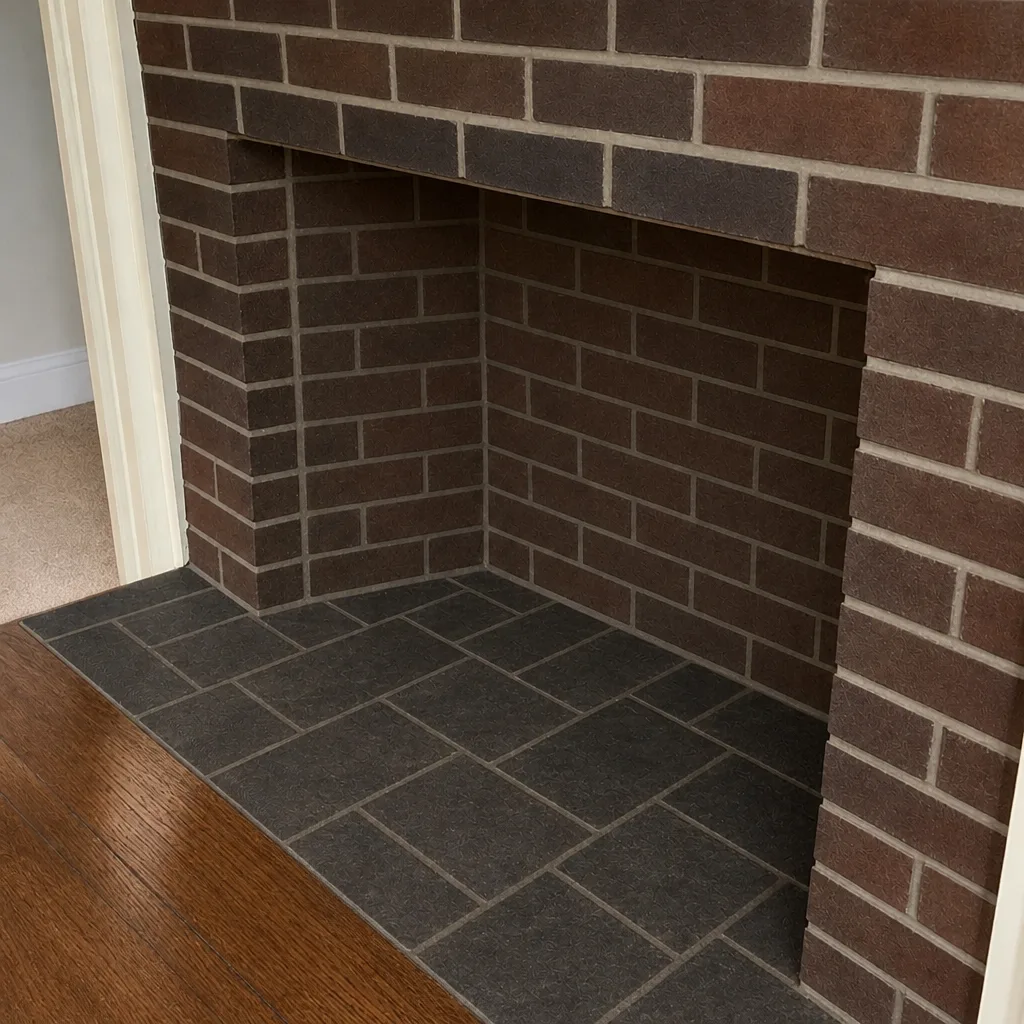
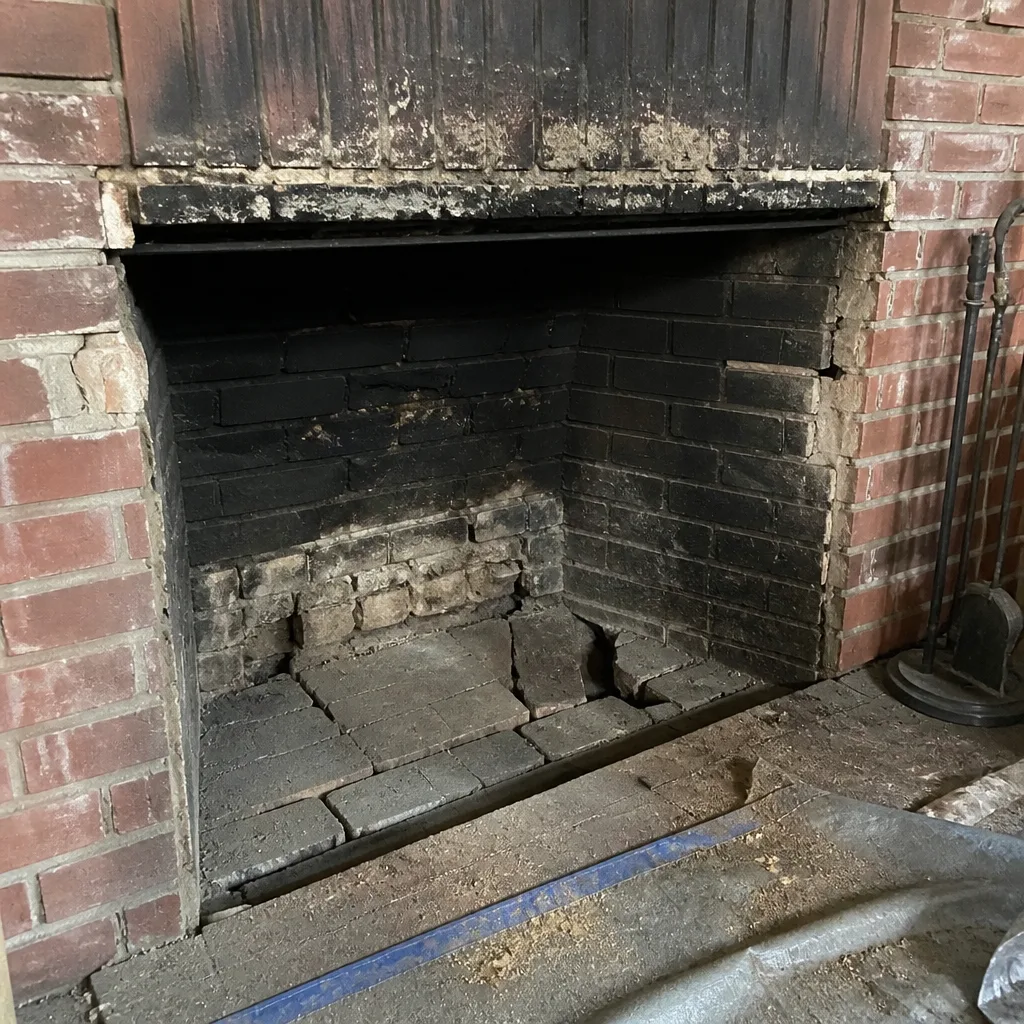
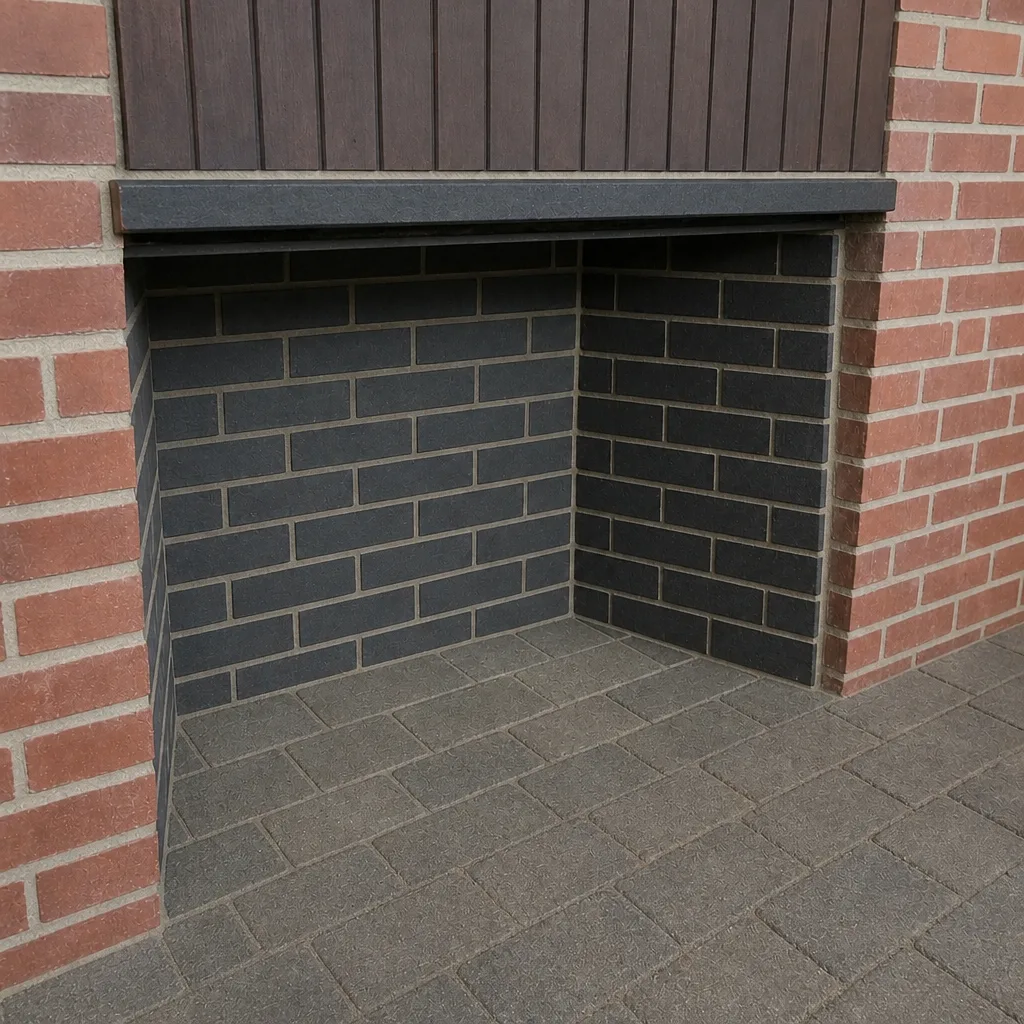
See the difference
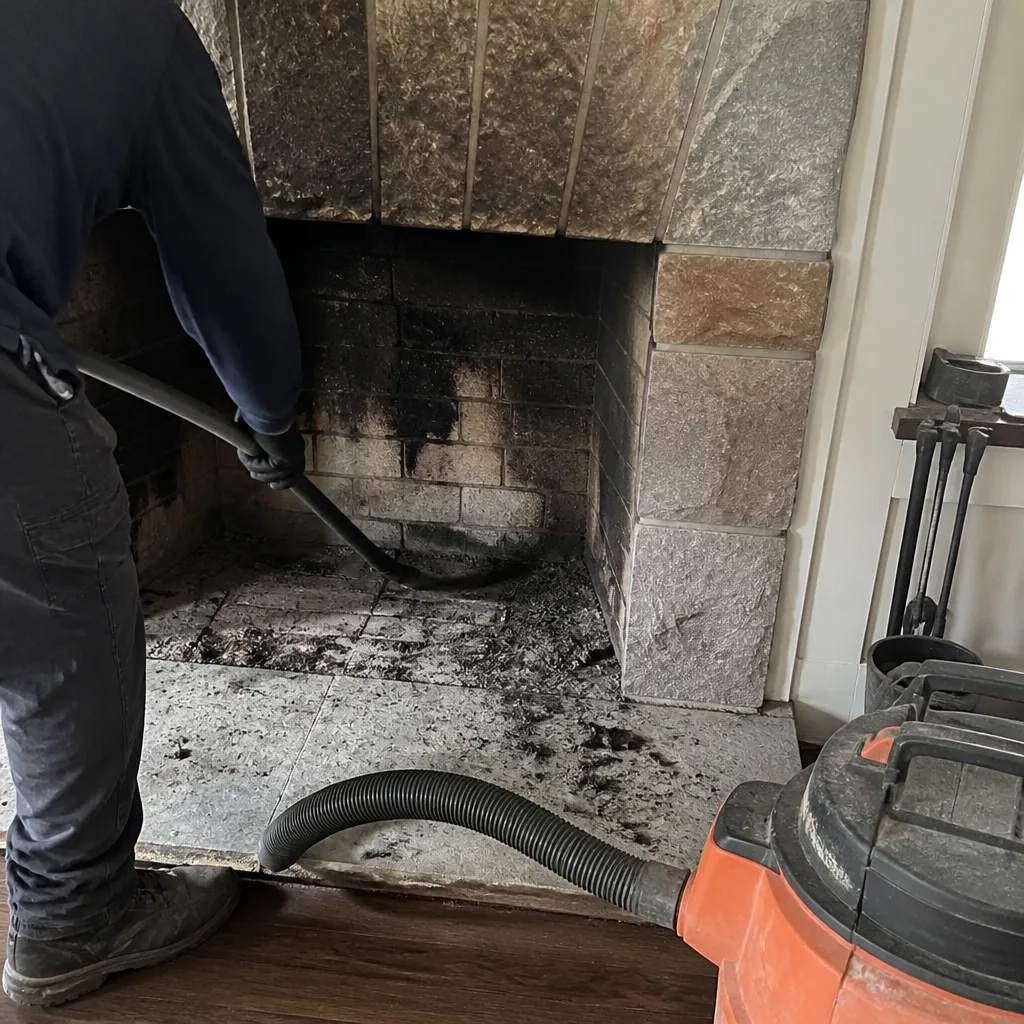 Before
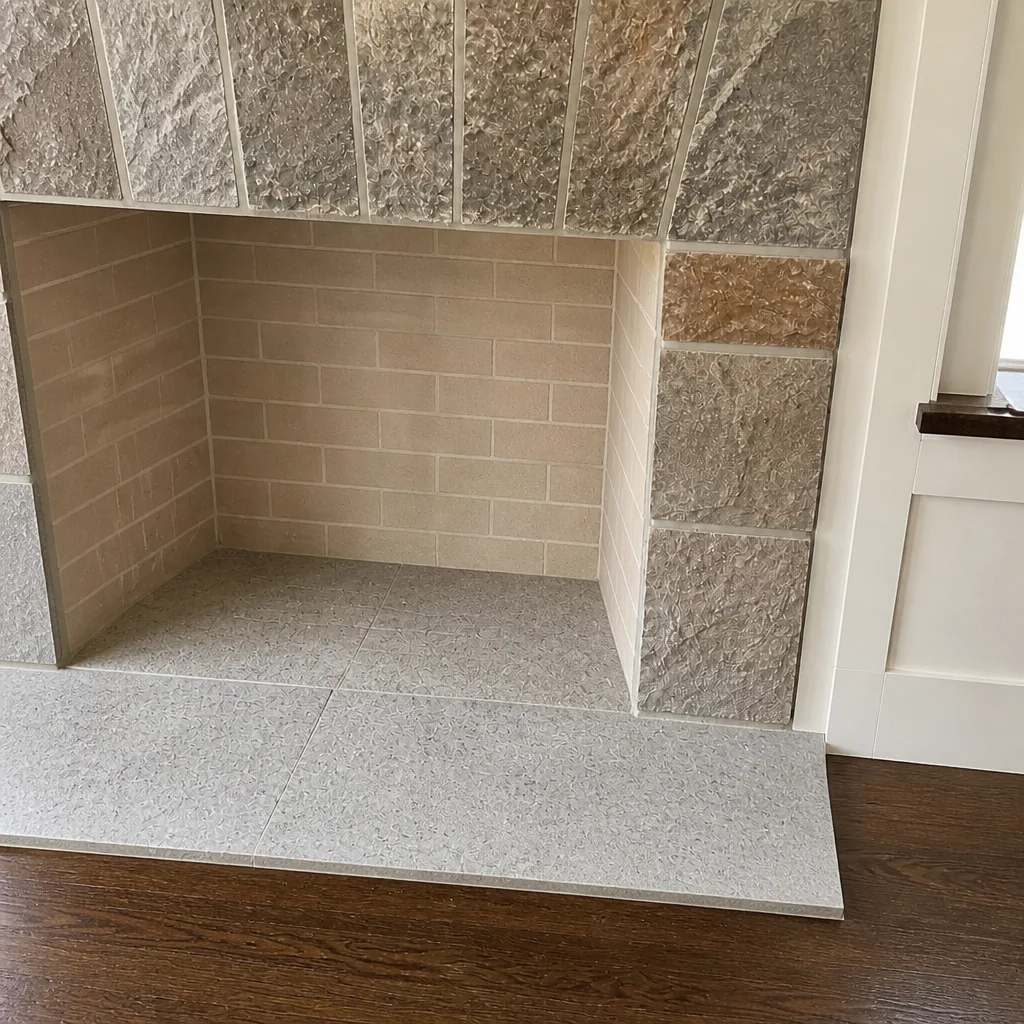 After
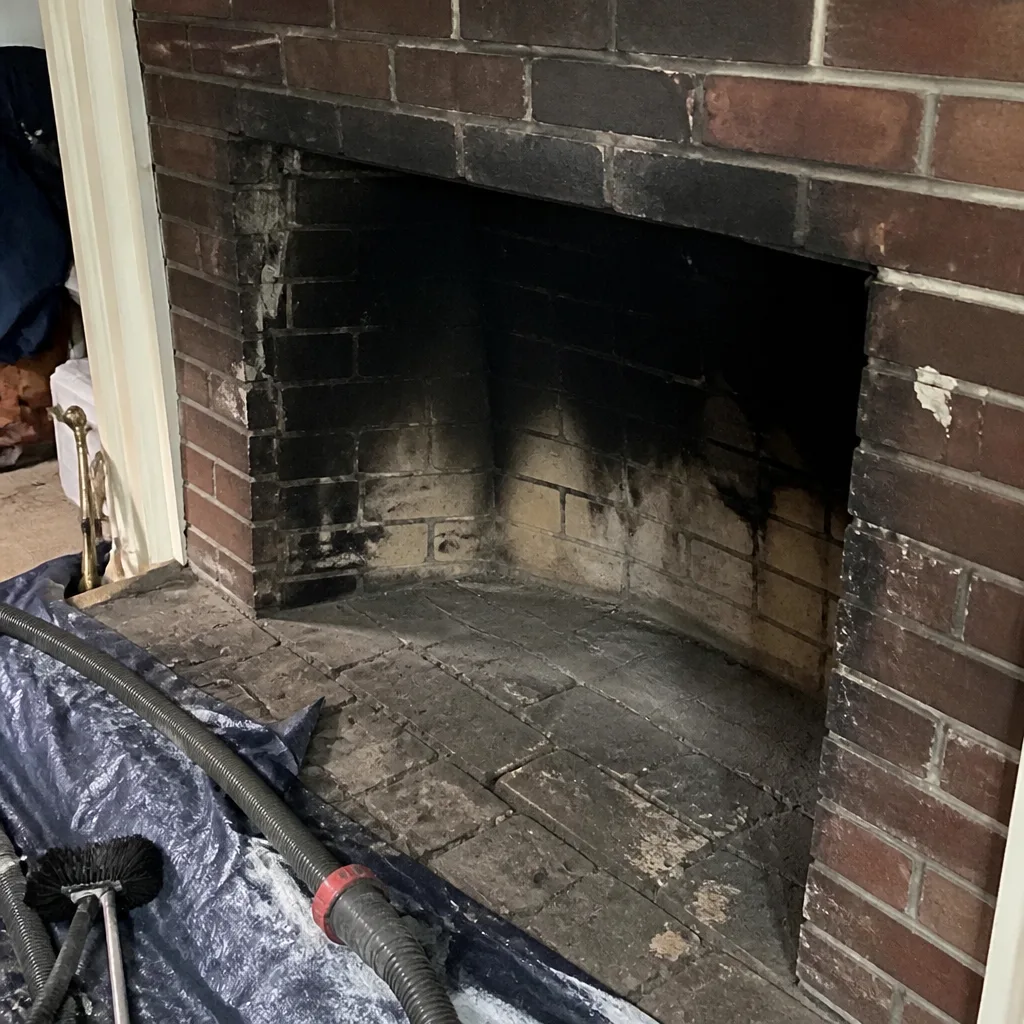 Before
 After
 Before
 After
Common Mistakes to Avoid
- Waiting until October for everything. The busiest weeks of the year are the worst time to schedule a repair, and the crack you noticed in April has had six months to grow. Scheduling non-urgent work in summer usually gets you better curing conditions and a calmer calendar.
- Treating a sweep as a full inspection. A sweep clears the flue; it doesn’t necessarily assess the crown, cap, liner, and firebox together. Ask what’s included before booking.
- Ignoring a small crown crack. In Pelham Bay’s humid, freeze-prone climate, a hairline crown crack is the start of a much bigger moisture problem. Repair it while it’s small.
- Leaving the flue uncapped through nesting season. Birds and squirrels move fast in spring. A cap with a proper screen closes the door before they get in.
- Assuming a draft problem is a draft problem. Poor draft is often a symptom of a blocked or compromised liner, and it should be diagnosed, not worked around.
- Letting a sweep-only company hand off the repair. A diagnosis that ends in a referral means a second visit, a second schedule, and a gap between findings and fix. One company that sweeps, inspects, and repairs keeps the whole job in view.
- Deferring spring findings to fall. The crack you see in April is the cheapest it will ever be to fix. Deferring it to October is how a small repair becomes a large one.
When to Call a Professional
Some chimney issues are worth a phone call rather than a closer look. Call if you see smoke rolling back into the room when you open the firebox, a persistent smoky smell even when the fireplace is cold, visible cracking in the crown or flue, white staining or spalling brick on the exterior, a cap that’s shifted or lost its screen, or any sign that animals have been in the flue. For a gas or oil flue, treat any draft concern as a reason to call promptly, because combustion gases you can’t see are the ones that matter. If you’re scheduling non-urgent liner or crown work, call in late spring or summer for the best window. Chimney Sweep Pelham Bay offers free estimates in Pelham Bay. Call (877) 820-9084. We answer 24/7. Fast dispatch from 7am to 7pm, Sunday through Friday.
Frequently Asked Questions
Most wood-burning chimneys should be swept once a year, with heavier use or a longer heating season calling for a mid-season check. Pelham Bay’s heating season runs roughly late October through early April, so a pre-season sweep in fall and a post-season assessment in spring covers the year well. Call (877) 820-9084 for an exact quote; estimates are free.
Yes, spring is when winter’s freeze-thaw damage is most visible and when the repair calendar still has room. Cracks that show up in April have months to be repaired before the next heating season, and masonry work done in warmer months cures better than work rushed in late fall. Call (877) 820-9084 to schedule a spring assessment; estimates are free.
Summer gives you two practical advantages: masonry mortar cures better in warm weather, and the autumn rush hasn’t started, so there’s more room in the schedule for non-urgent work. It’s also the best window for liner resurfacing, including HeatShield ceramic resurfacing, which can restore liner integrity without full-demolition relining. Call (877) 820-9084 for an exact quote; estimates are free.
The higher moisture load near the sound means exterior masonry holds water longer through the humid months, which makes the assembly more vulnerable to freeze-thaw damage when cold weather arrives. That’s why a properly shedding crown and a correctly fitted cap matter more here, and why spring inspection is worth scheduling early. Call (877) 820-9084 for an exact quote; estimates are free.
Have the flue cleared and inspected before the first fire of the season, because nests and debris block airflow and create a fire hazard. The best fix is prevention: a cap with a proper screen, installed before nesting season. Call (877) 820-9084 to schedule a cap and crown assessment; estimates are free.
Not every damaged liner needs full replacement. HeatShield ceramic resurfacing can often restore liner integrity without costly full-demolition relining, and DuraFlex flexible liner systems allow proper relining of older, offset, or irregularly shaped flues that rigid liners can’t navigate. What your flue needs depends on the inspection findings. Call (877) 820-9084 for an exact quote; estimates are free.
The Bottom Line
Year-round chimney care in Pelham Bay comes down to four seasons and one system. Spring reveals the freeze-thaw damage and gives you the cheapest window to fix it. Summer is for moisture control, nesting prevention, and non-urgent liner and crown work while mortar cures well and the schedule has room. Fall is the pre-season sweep and liner check. Winter is for monitoring draft and ice at the crown. The homeowners who follow that rhythm spend less, catch problems earlier, and avoid the October scramble. A chimney is infrastructure, from the crown to the firebox, and caring for it as such is what keeps it sound through every season. Our technicians have up to 15 years of experience across the full system, and we work with professional-tier components including HeatShield, DuraFlex, Gelco, Famco, and Copperfield. Call (877) 820-9084 for a free estimate. We answer 24/7. Fast dispatch from 7am to 7pm, Sunday through Friday.
Written by the team at Chimney Sweep Pelham Bay.