
Last updated November 25, 2026
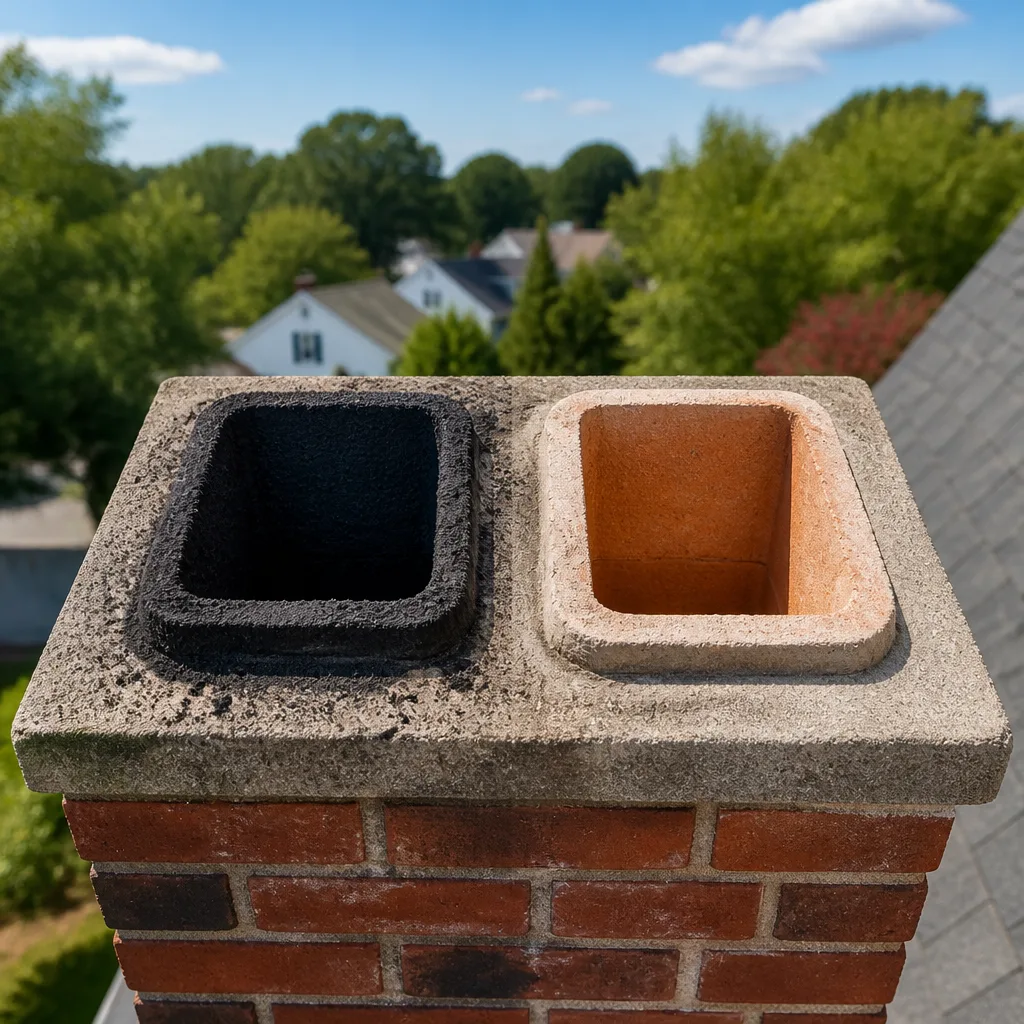 Sweep & inspection
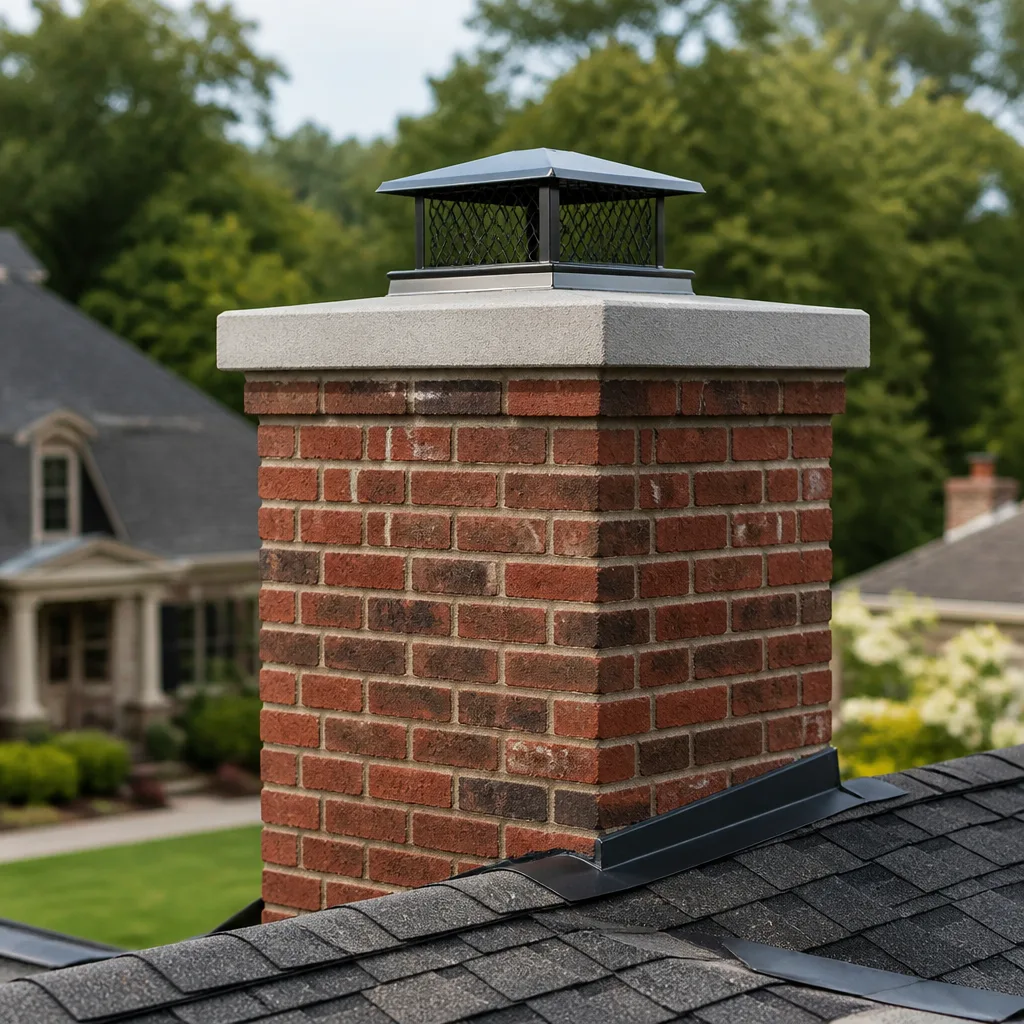 Caps & crowns
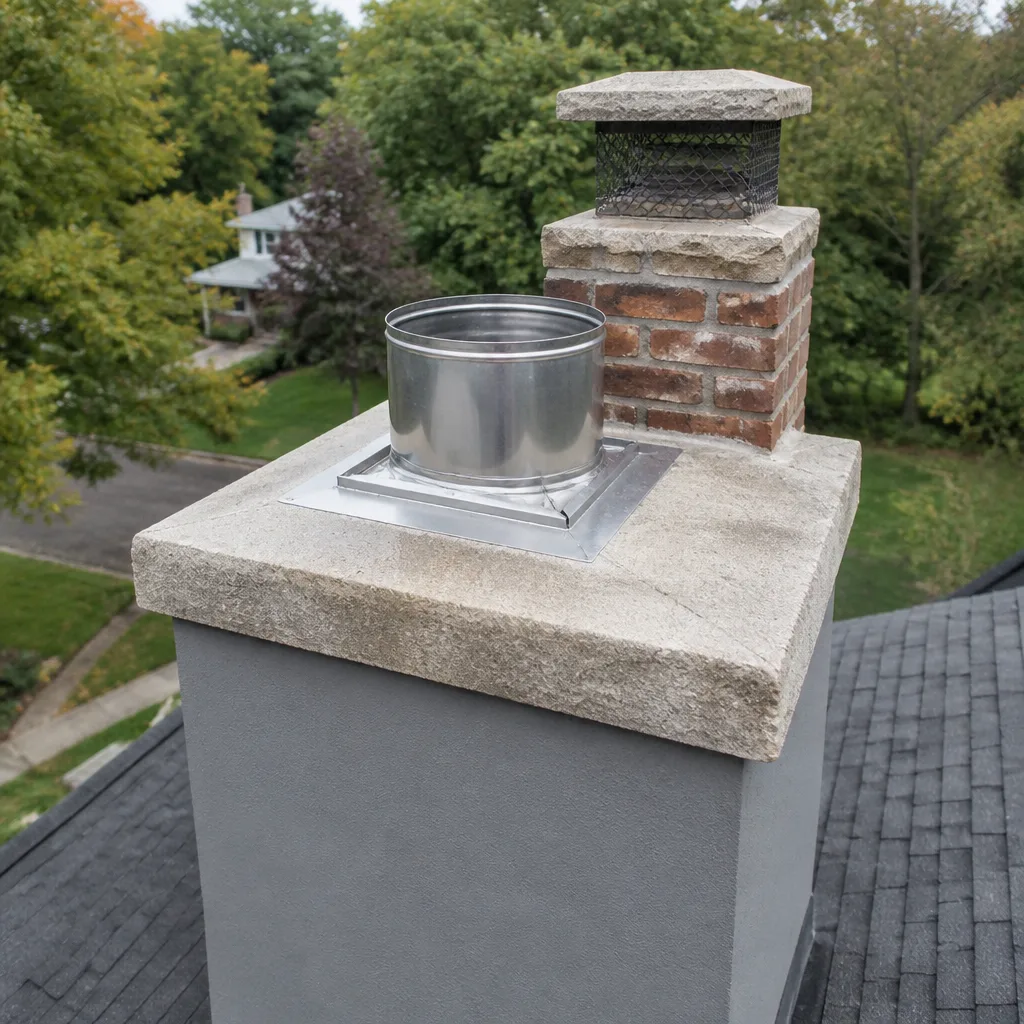 Flue relining
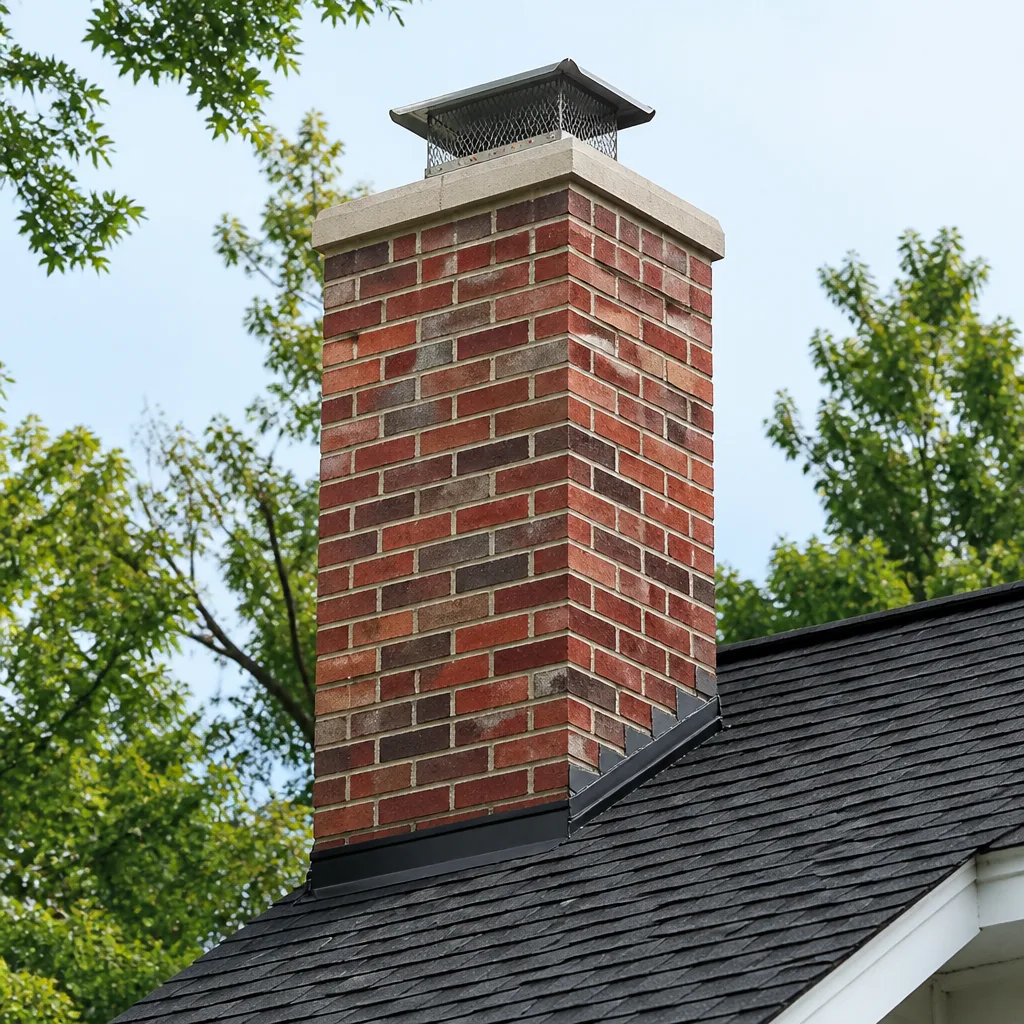 Masonry repair
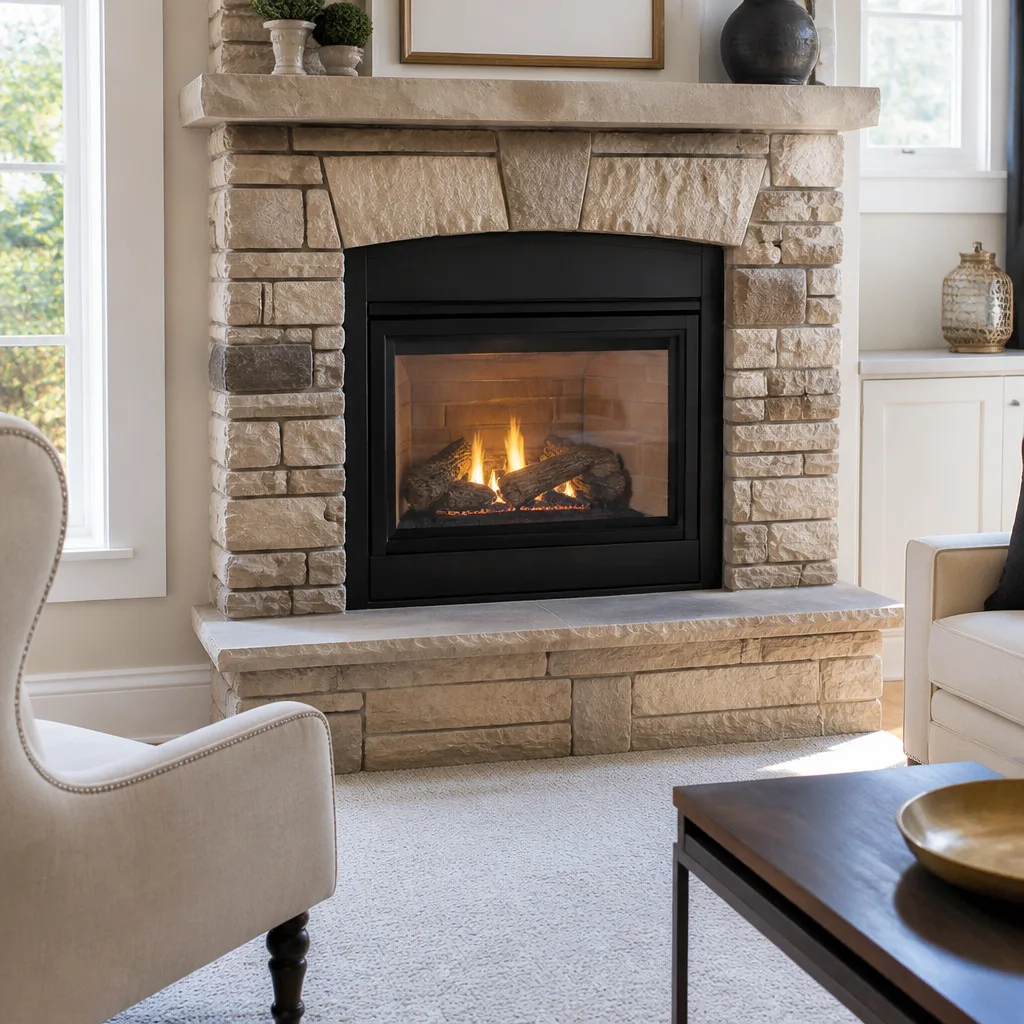 Gas fireplace service
Level 1 sweep and inspection to the NFPA 211 annual standard - flue, crown, cap, and flashing checked and photographed
Chimney sweep logs do not sweep chimneys. They loosen some creosote - which then falls where a brush and vacuum still have to collect it.
How to Hire a Chimney Cleaning Contractor in Pelham Bay: A Step-by-Step Guide
CSIA certification is the floor, not the ceiling. A certified sweep who subcontracts liner work, mortar repairs, or crown rebuilding is still a one-trade operator, and that handoff is exactly where miscommunication and cost overruns live. Plenty of Pelham Bay homeowners book a low-price cleaning, then discover mid-job that the person holding the brush can’t fix what they find. This guide shows you how to screen for full-system capability before the first appointment, how to read a written estimate so vague line items don’t turn into surprise change orders, and how Pelham Bay’s mix of attached rowhouses, detached homes, and co-ops with shared flues shapes what you should ask.
Quick Answer
Hire a chimney cleaning contractor in Pelham Bay by verifying certification and insurance first, then asking directly whether they can inspect, sweep, reline, and rebuild a crown in-house rather than referring it out. Get a written estimate with itemized scope before any work begins, and check references from homes built like yours. Booking in August or September gets you more thorough service and better scheduling than a rushed November call.
Styles & brands we work with
- Sweep & inspection
- Caps & crowns
- Flue relining
- Masonry repair
- Gas fireplace service
Table of Contents
- Why a Sweep and a Chimney Specialist Aren’t the Same Hire
- The Questions That Separate Full-System Specialists from Sweep-Only Operators
- What to Look For in a Written Estimate
- How to Verify Local References Against Pelham Bay Housing Types
- Red Flags in the Quoting Process
- Why August and September Beat November
- What a Proper Visit Actually Involves
- When the Work Turns Dangerous Enough to Stop
Why a Sweep and a Chimney Specialist Aren’t the Same Hire
A chimney sweep cleans a flue. A chimney specialist owns the whole system from the crown to the firebox, which means the person who inspects your chimney can also repair what the inspection turns up. Those are different businesses wearing similar names, and the difference only becomes expensive when something structural surfaces.
There’s nothing wrong with a sweep-only operator for basic maintenance. If your flue is clean, the cap is intact, and the liner is sound, a straightforward brushing is a fine transaction. The trouble starts when the same visit reveals a cracked crown, a spalled liner joint, or a rusted damper. A sweep-only company stops there and hands you a contractor’s phone number. Now two businesses are scheduling around each other, two sets of notes have to line up, and nobody owns the final outcome.
A full-system specialist keeps that chain intact. Findings from the inspection feed straight into the repair scope. The company that identified the damaged liner tiles is the same one that resurfaces them. At Chimney Sweep Pelham Bay, our service categories run from the initial sweep through inspection, cap and crown work, chimney repair, and fireplace repair, so one call covers the diagnostic and the fix.
Why this matters more in Pelham Bay than in newer suburbs
Pelham Bay’s housing stock includes plenty of older attached rowhouses and detached single-family homes, plus co-op buildings where several units share a flue or a chimney stack. In attached rowhouses, crown and flashing problems on one section often sit inches from a neighbor’s chimney. In co-op buildings, a repair scope has to account for shared passages and access through multiple units. Those aren’t jobs a generalist handyman should touch, and they certainly aren’t jobs a sweep should price from the curb.
When we hear from a homeowner who already had a low-cost cleaning and got a frightening repair quote on the back of it, the usual issue is that nobody separated the maintenance work from the structural work before the visit. Screening for capability before you book prevents that.
The Questions That Separate Full-System Specialists from Sweep-Only Operators
Ask these questions before you book. The answers tell you more than any advertisement will, because a truthful operator answers them plainly and a mismatched one hedges.
1. Can you resurface a damaged flue liner without a full reline?
A capable specialist should be able to describe specific repair paths, not just “we’ll take a look.” HeatShield is a ceramic flue-resurfacing system used by credentialed chimney professionals to restore liner integrity without a full rebuild, and it’s the kind of capability that separates a repair shop from a cleaning service. Ask whether they can perform that kind of restoration or whether they default to full demolition relining every time.
2. Can you reline an offset or irregular flue?
Older flues don’t always run straight. DuraFlex is a flexible liner system that can navigate offset or irregularly shaped passages where rigid liners simply won’t fit. If you’re told rigid is the only option, ask why. Sometimes that’s true. Often it’s a limitation of what the company carries.
3. Who handles crown work, and with what materials?
A crumbling crown is one of the most common moisture entry points we see in Pelham Bay, and cap and crown work should be a first-line defense rather than an upsell. Ask whether they install caps with manufacturer lines like Gelco or Famco components, or whether they fit generic hardware-store parts. Professional-grade vents and caps behave differently over years of weather.
4. Do you parge smoke chambers?
Smoke chamber parging is a specialty skill. If a company doesn’t know what it is, they aren’t doing structural chimney work.
5. What does the camera inspection produce, and will I see it?
Insist on a camera inspection with a photo report you can look at yourself. Any recommendation you can’t verify with your own eyes deserves a second opinion.
If any of those five questions draws a blank stare, you’ve found a sweep-only operator. That may still be fine for a basic cleaning, and you can book a chimney sweep for maintenance. Just don’t ask that operator to diagnose structural work.
What to Look For in a Written Estimate
A good written estimate names what will be done, to what component, with what material, and where the work stops. A vague estimate names a service and a total, then reframes the scope once things are open.
Here’s how to read one:
- Scope language that protects you: each line should describe a component and an action (“resurface upper flue tiles,” “rebuild crown to proper slope,” “install stainless cap with animal guard”). A line like “chimney repair” tells you nothing.
- Material specification: the estimate should name the product family being installed, not just “liner.” Professional-tier materials get specified by name for a reason.
- A clear stop-and-call clause: if the crew finds something unexpected once the flue is open, they should stop and contact you before doing more billable work. Ask for this in writing.
- Separate line items for cleaning, inspection, and repair: bundling the diagnostic into the repair price makes it impossible to tell what the diagnosis actually cost.
- What’s excluded: masonry above a certain height, interior wall access, permits. A written exclusion list is a maturity signal, not a bad sign.
- The final price statement: the written estimate should explicitly say the estimate sets the final price for the work described. If it doesn’t say that, ask them to.
Permit requirements vary by municipality and by the scope of work, so ask your contractor whether a permit is needed for a reline or crown rebuild in your building. If they don’t know, that’s information too.
If a company hands you an estimate that changes materially after the sweep, it’s not necessarily a scam. It may genuinely have found something nothing on the outside revealed. The test is whether the original estimate committed to a defined scope. If it did, a change should come with a written revision and a reason you can see.
How to Verify Local References Against Pelham Bay Housing Types
Generic references prove nothing. Ask for references from homes that look like yours, because the work differs enormously by building type.
Pelham Bay has three rough categories to think about, and the questions shift for each:
Attached rowhouses
In an attached rowhouse, your chimney sits close to a party wall and a neighbor’s flue. Crown and flashing work has to avoid disturbing adjacent sections. Ask for a reference from another attached home and ask, specifically, how the contractor handled access and neighbor coordination. A reference who lives in a detached home a mile away tells you little.
Detached single-family homes
Detached houses often have more accessible chimneys and more exterior masonry exposure, which changes the crown and flashing conversation. Ask about cap installation and how the cap has held up through storm seasons.
Co-ops with shared flues
Co-op buildings are their own category. Shared flues, multi-unit access, and building management coordination all shape the job. Ask for a reference from a building owner or board, and ask how the contractor handled access to multiple units.
Call at least two references and ask three questions: what the estimate said, whether the final bill matched it, and whether a second visit was needed to fix something. That third question usually reveals the most.
The other verification most homeowners skip is confirming the contractor is licensed and insured as their state requires. Ask for proof before the first visit, not after. For a broader look at how we handle structural work, see our page on chimney cap & crown services.
Red Flags in the Quoting Process
You don’t need to be suspicious of every estimate, but a handful of patterns deserve attention.
Unusually low sweep prices
If a cleaning quote is dramatically below what the rest of the market is charging, ask why. The most common answer is that the cleaning is a lead-generation hook and the real revenue comes from the repair estimate that follows. Sometimes the low price is genuine, and the follow-up repair is legitimate too. But if the repair estimate arrives without camera evidence you can inspect, treat it as a proposal, not a diagnosis.
“You need a full reline” with no images
A full reline is a significant investment. Ask to see the interior of the flue. If the contractor can’t show you what they’re describing, you have no way to verify it. A credible technician will film the flue and hand you the report without being asked.
Estimates that grow after the work starts
Change orders are sometimes unavoidable. What matters is whether the process was defined up front and whether the contractor pauses to discuss before proceeding.
The high-pressure deadline
Genuine hazards deserve urgent action. But “you must sign today” and “this price is only good if you book now” are sales tactics, not safety advice. If a repair can wait a season without real risk, a good contractor will say so plainly.
No written scope, only a verbal quote
A phone quote for structural work on a chimney you’ve never had inspected is a guess. Insist on a written estimate before any repair begins.
Why August and September Beat November
Chimney work is seasonal in a way that most home services aren’t. Nobody thinks about the chimney until the first cold night, which means November bookings cluster and scheduling flexibility collapses. August and September are the opposite. The urgency hasn’t hit yet, contractors have room in their calendars, and a sweep can take the extra ten minutes a thorough visit deserves.
Why thoroughness matters more in late summer:
- There’s time to identify a problem in September and schedule the repair before the first serious fire.
- A slower calendar means less pressure to rush, which often means more attention to the parts that don’t show up in a quick brush-out.
- The camera inspection has more time to be reviewed with you, and repair findings have a full window to be discussed.
- The whole visit can be scheduled with more flexibility when the calendar isn’t full.
In our experience, the homeowner who books in late summer gets a calmer conversation about what was found, more time to weigh the options, and a repair window that isn’t squeezed against the first cold snap.
The Pelham Bay seasonal pattern
The heating season here tends to run heavy from late fall through early spring, and any fireplace or wood-burning insert gets used regularly during that stretch. That’s the burn cycle that produces the creosote that makes an annual sweep non-negotiable. Booking before that cycle starts means the flue is clean when the first fire lights, not weeks after.
If you call in November, the work still gets done. The scheduling is just tighter and the calendar is fuller. For a chimney sweep, the difference rarely shows in the brush-out itself. It shows in how much time the inspection gets, and that’s exactly where real problems surface.
What a Proper Visit Actually Involves
A real chimney visit is a sequence, not a ten-minute brush.
- Walkthrough and setup: drop cloths, containment where needed, and a look at the firebox, damper, and visible flue from below.
- Camera inspection: a closed-circuit camera run through the flue so the technician can see liner condition, joint integrity, creosote buildup, and obstructions. Photos and footage should be shown to you.
- The sweep: brushes sized to the flue, run with the right technique for the liner material. A chimney brush used carelessly can damage older tile liners.
- The exterior check: crown, flashing, cap, masonry joints, and any visible staining that suggests past water entry.
- The report and estimate: what was found, what’s urgent, what can wait, and what a repair would involve. The camera report should accompany the discussion.
- Cleanup and disposal: soot and debris removed, not vacuumed into a bag that leaks on the way out.
If a visit ends in five minutes with no camera inspection and a verbal “all clear,” that’s information about the quality of the visit, not the quality of the chimney. The company handling your Chimney Sweep Pelham Bay work should treat the inspection as the centerpiece.
When the Work Turns Dangerous Enough to Stop
Some chimney work is genuinely dangerous, and a competent contractor treats those components as hands-off for homeowners. High placements on a steep pitch, unstable masonry, and anything involving heat-damaged structural components are not DIY territory. If a chimney fire has occurred or is suspected, stop using the fireplace and have the flue inspected before the next fire. A damaged flue can let combustion gases into the home instead of up the chimney, and carbon monoxide gives no warning.
That’s a reason to act, not a reason to be scared into any particular purchase. If a contractor tells you the flue is unsafe, they should be able to show you why in the camera footage and explain what specifically makes it unsafe and what the safest next step is. If the work can wait safely, they should say so.
For a broader look at specialty repair work, including clay tile resurfacing, see our guide to safe and lasting chimney repair.
Common Mistakes to Avoid
- Choosing the lowest quote without checking scope. A lower quote often means a shorter scope, not a better deal. Compare the line items, not the totals.
- Booking a sweep-only operator for structural work. A sweep who subcontracts liners is fine for maintenance and a liability for repair. Match the operator to the job.
- Accepting a verbal diagnosis. Any repair recommendation should come with camera evidence you can look at yourself.
- Skipping the reference check. References from homes a mile away tell you little. Ask specifically for references from your building type in Pelham Bay.
- Waiting for the first cold night. November bookings are backed up and the visit gets rushed. August and September are calmer for a reason.
- Ignoring water staining. Staining on the chimney breast means moisture is already getting in. Ask about crown and cap condition on the first visit.
- Not asking what’s excluded from the estimate. A written estimate that names its exclusions is more reliable than one that promises everything.
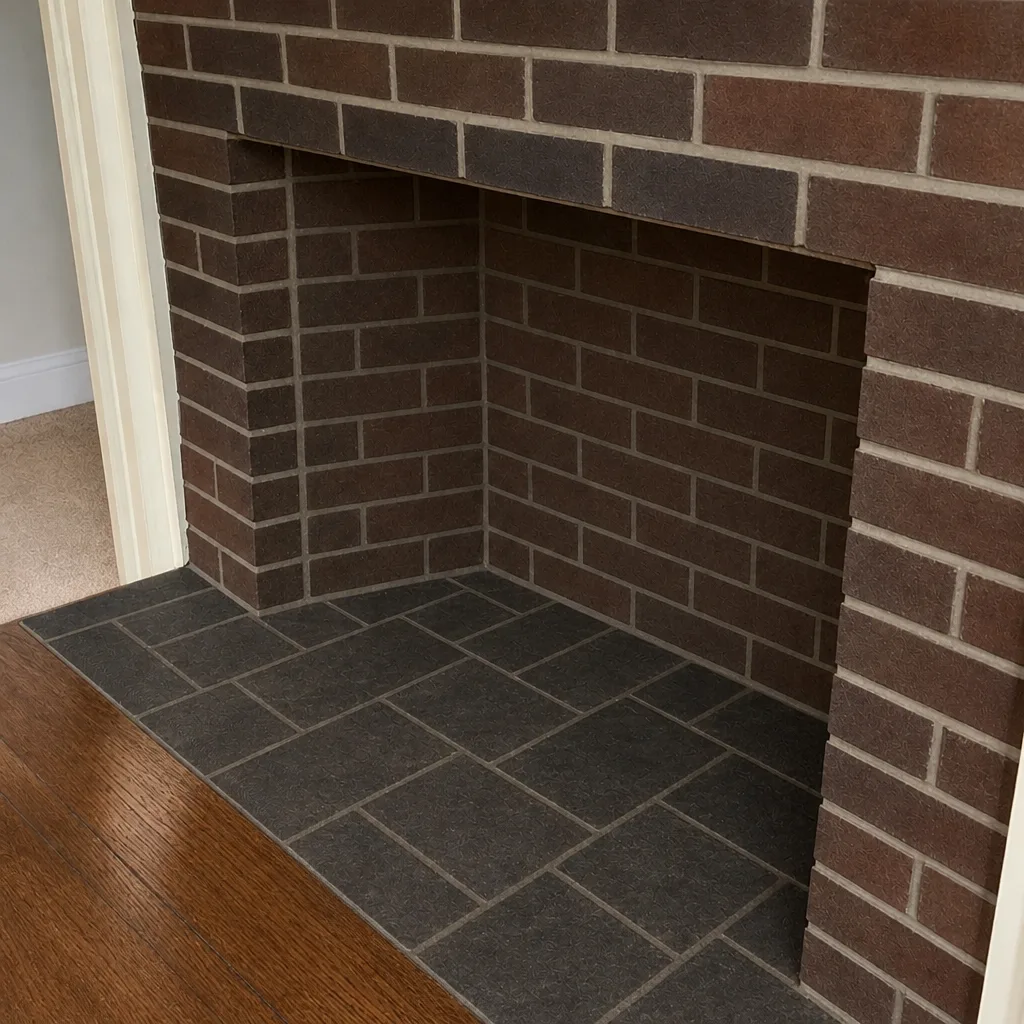
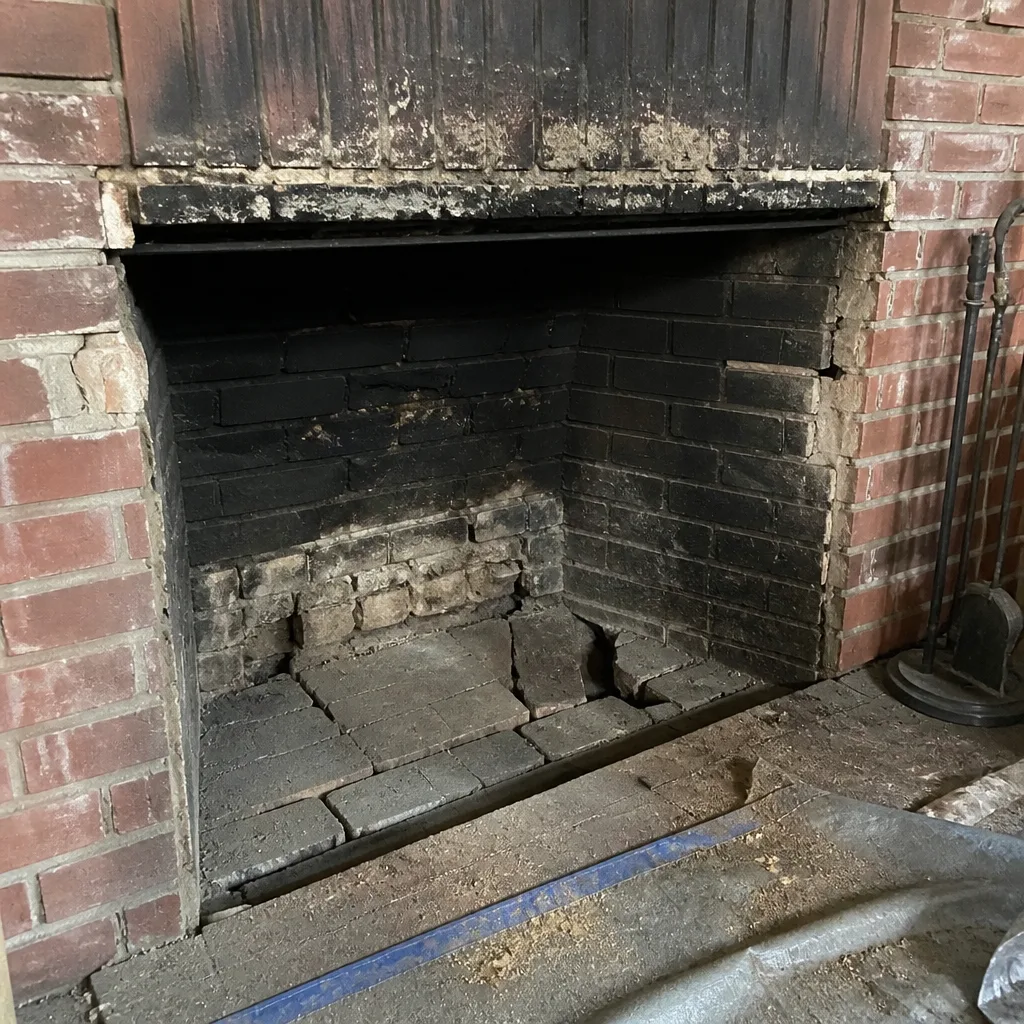
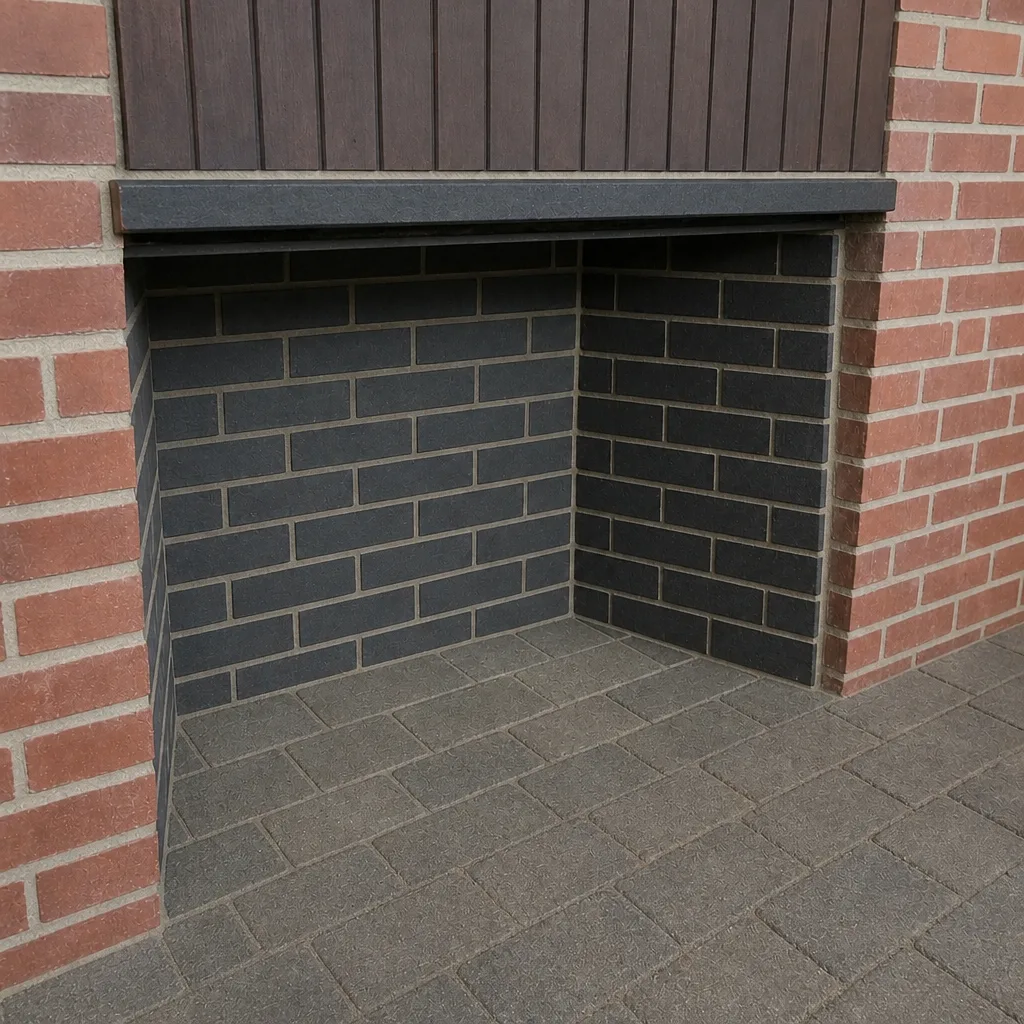
See the difference
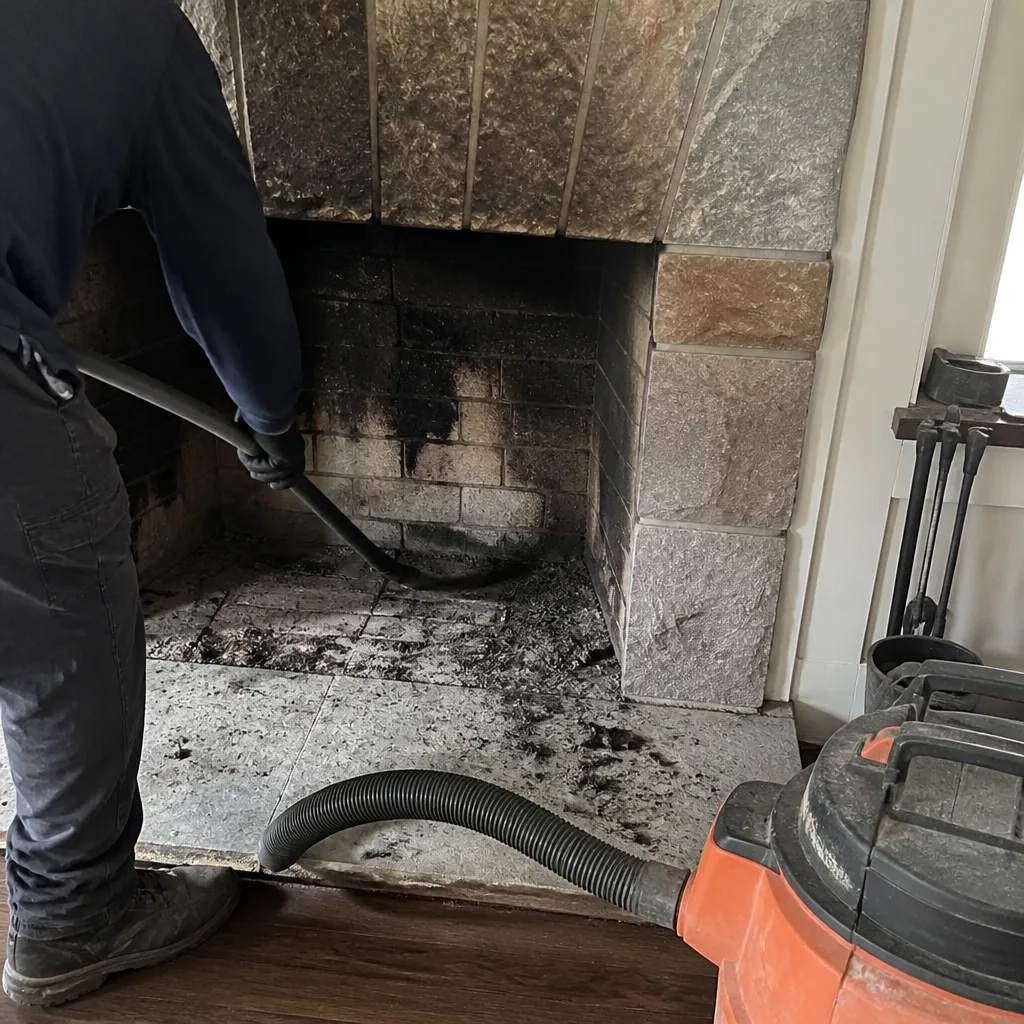 Before
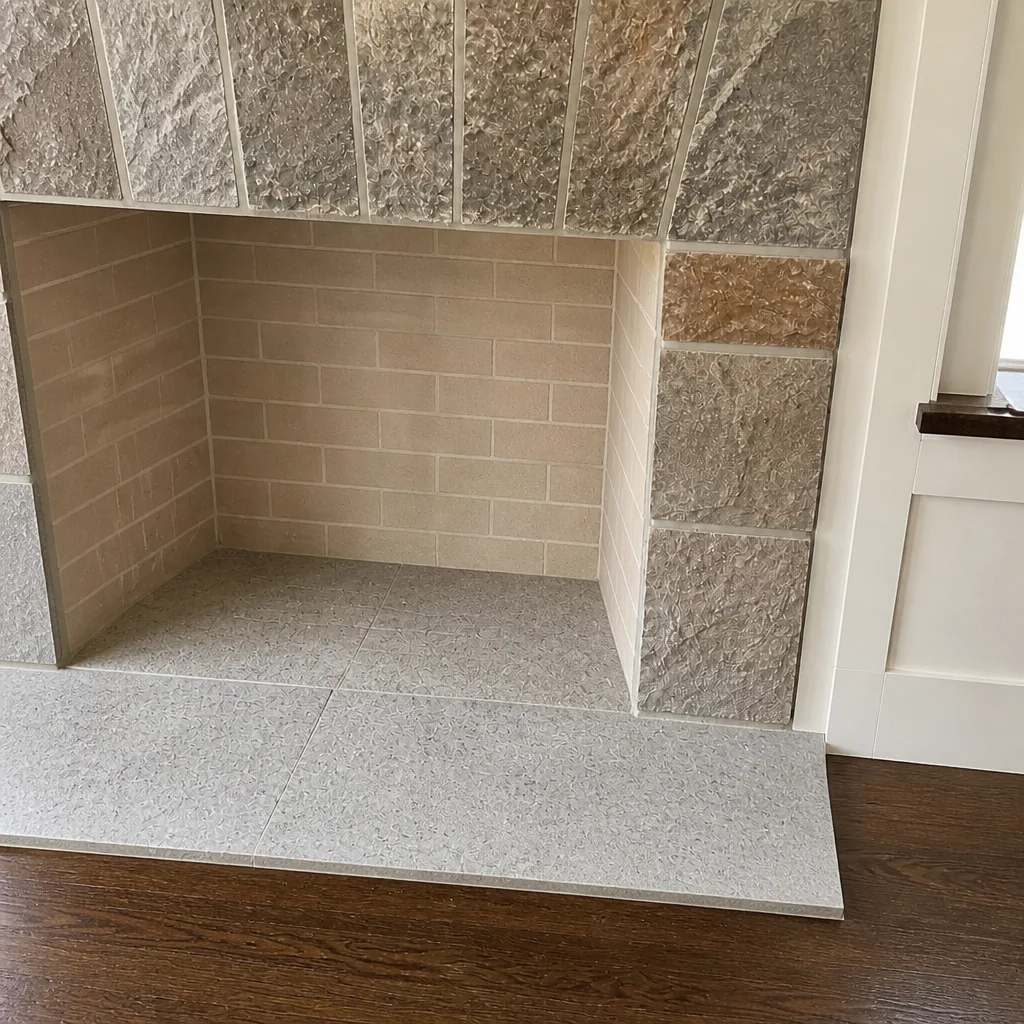 After
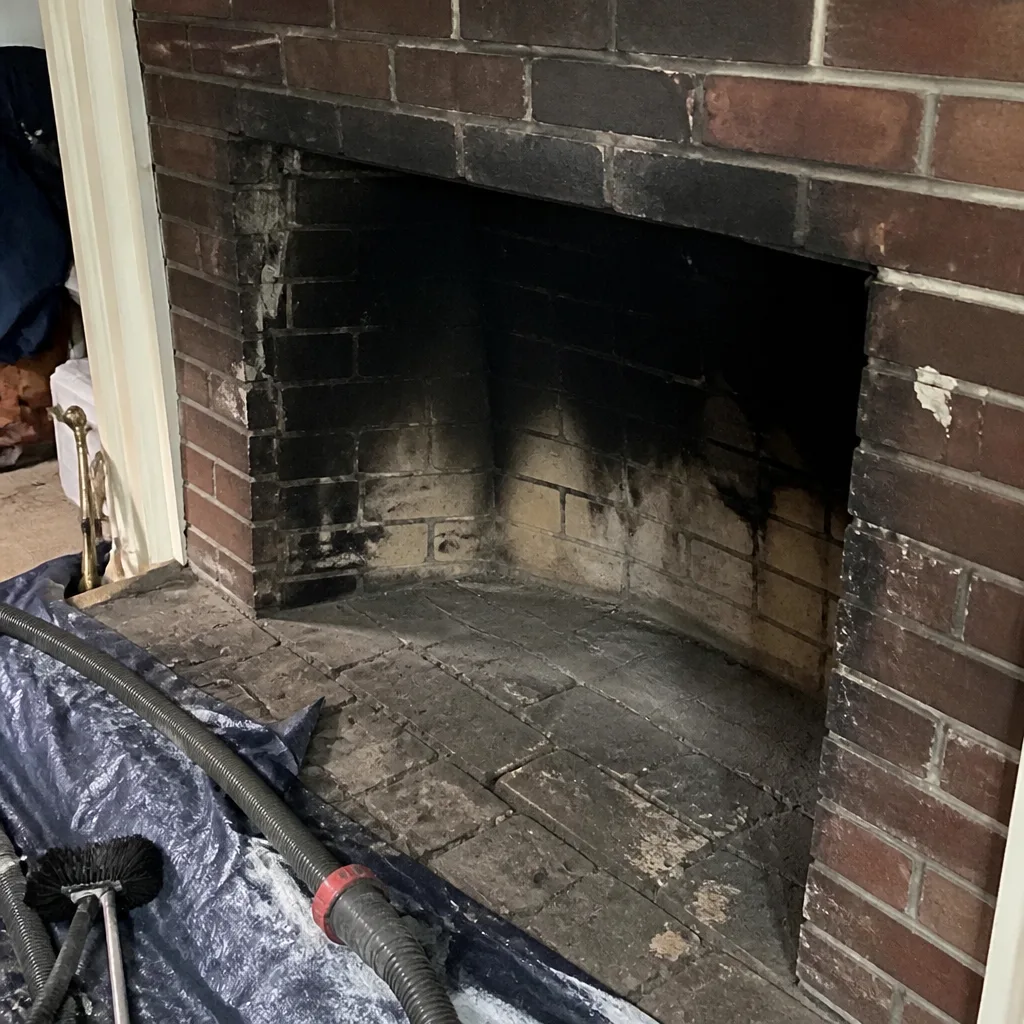 Before
 After
 Before
 After
When to Call a Professional
Call for a professional inspection if the fireplace hasn’t been serviced in over a year, if you’ve just bought the home and there’s no record of the last sweep, or if you notice cracking, water staining, or visible masonry damage. If your fire burns poorly, smokes into the room, or smells off, there’s a draft or blockage issue that needs diagnosing before you use it again. Call if you’ve had a chimney fire or think you may have. And call if you’ve received a repair estimate you can’t verify, because a second opinion with camera evidence is worth having.
Chimney Sweep Pelham Bay offers free estimates in Pelham Bay. Call (877) 820-9084. We answer 24/7. Fast dispatch from 7am to 7pm, Sunday through Friday.
Frequently Asked Questions
Expect an estimate for the visit to be based on the specific work your chimney needs, since pricing is set per job by the written estimate rather than a single flat rate. Sweep prices vary by flue configuration, liner type, and whether the visit includes a camera inspection. Call (877) 820-9084 for an exact quote – estimates are free.
Not always, and that’s the point of asking for camera evidence. HeatShield ceramic resurfacing can restore integrity to some damaged flue liners without a full rebuild, so a full reline isn’t the only path. If a contractor recommends a replacement, ask to see the interior on camera and ask specifically whether a resurfacing option is possible.
Most wood-burning flues need a sweep at least once a year, and heavier use may warrant more frequent checkups. If you’ve burned through a full winter, the flue has accumulated creosote that should be cleared before the next season. Get it inspected at least annually, and get it swept whenever the inspection shows buildup.
Creosote accumulates and can ignite, and carbon monoxide can escape a damaged flue into the home. Ignoring water staining and crown damage also tends to turn a small repair into a larger one over a few seasons. That’s the real risk, and it’s a reason to book an inspection rather than a reason to panic. Call (877) 820-9084 for an exact quote – estimates are free.
Ask about liner resurfacing, offset flue relining, and smoke chamber parging. A full-system specialist can talk through all three with specifics. A sweep-only operator will usually refer those jobs to someone else. Ask who actually performs the repair work, not just who inspects.
August and September give you the best scheduling and the most thorough visit because the calendar has room. If you book late, the work still gets done – the visit just gets slotted into a tighter schedule. Booking early also gives repair findings time to be resolved before the heating season begins.
Often yes, provided the liner’s structure is sound enough to hold the ceramic coating. HeatShield is one of the systems we work with for this. Ask for the camera evidence first; the footage is what tells a technician whether resurfacing is possible or whether a full liner replacement is required.
The Bottom Line
Screening a chimney contractor in Pelham Bay comes down to two questions: can they answer specific technical questions about liner repair and crown work, and will they show you the camera evidence behind any recommendation? Get a written estimate with itemized scope, verify references from your building type, and book in late summer before the calendar fills. If a repair estimate feels alarming, ask to see the footage. Nothing should be recommended without camera evidence you can look at yourself, and a good contractor will tell you plainly when work can safely wait.
Chimney Sweep Pelham Bay handles sweeps, inspections, cap and crown work, and structural repairs, all under one roof, with professional-tier product lines including DuraFlex, Olympia Chimney, and Copperfield where the scope calls for them. Call (877) 820-9084 for a free estimate. We answer 24/7. Fast dispatch from 7am to 7pm, Sunday through Friday.
Written by the team at Chimney Sweep Pelham Bay.