
Last updated November 25, 2026
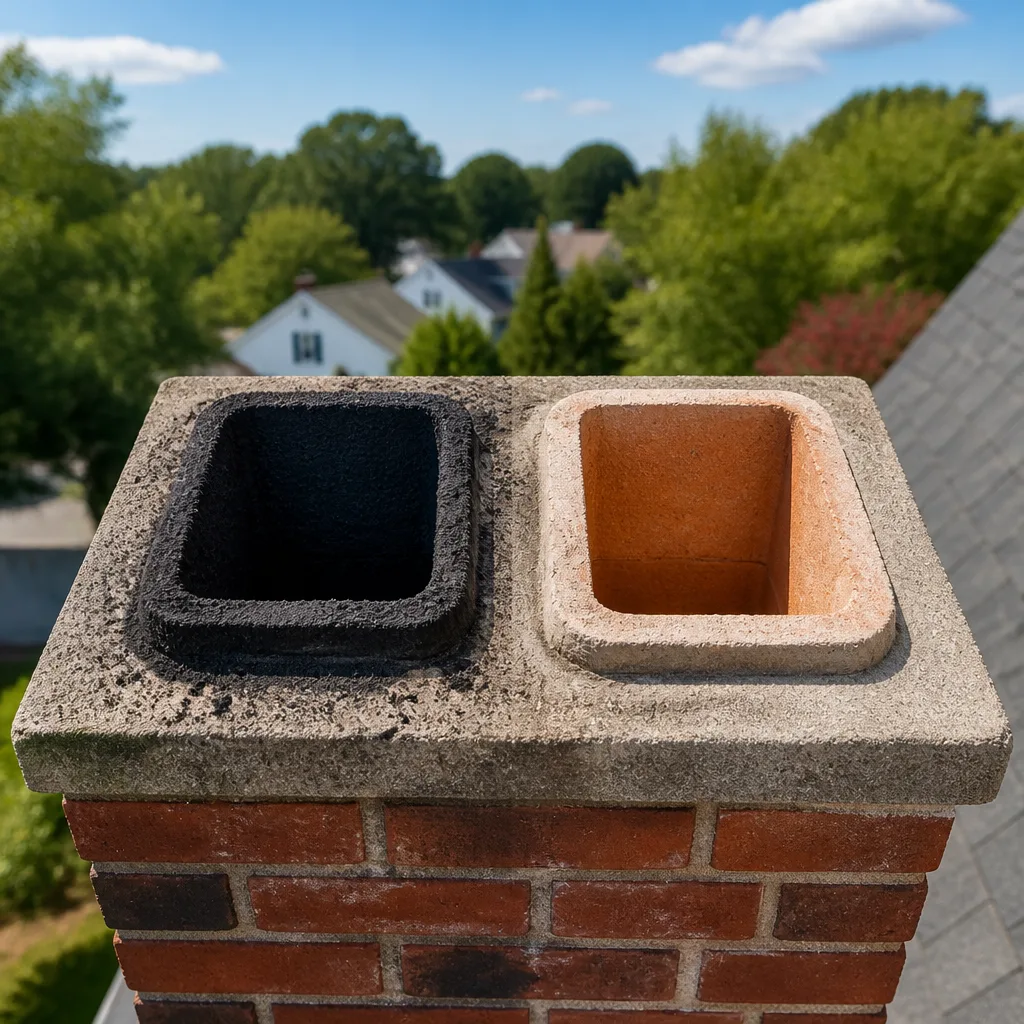 Sweep & inspection
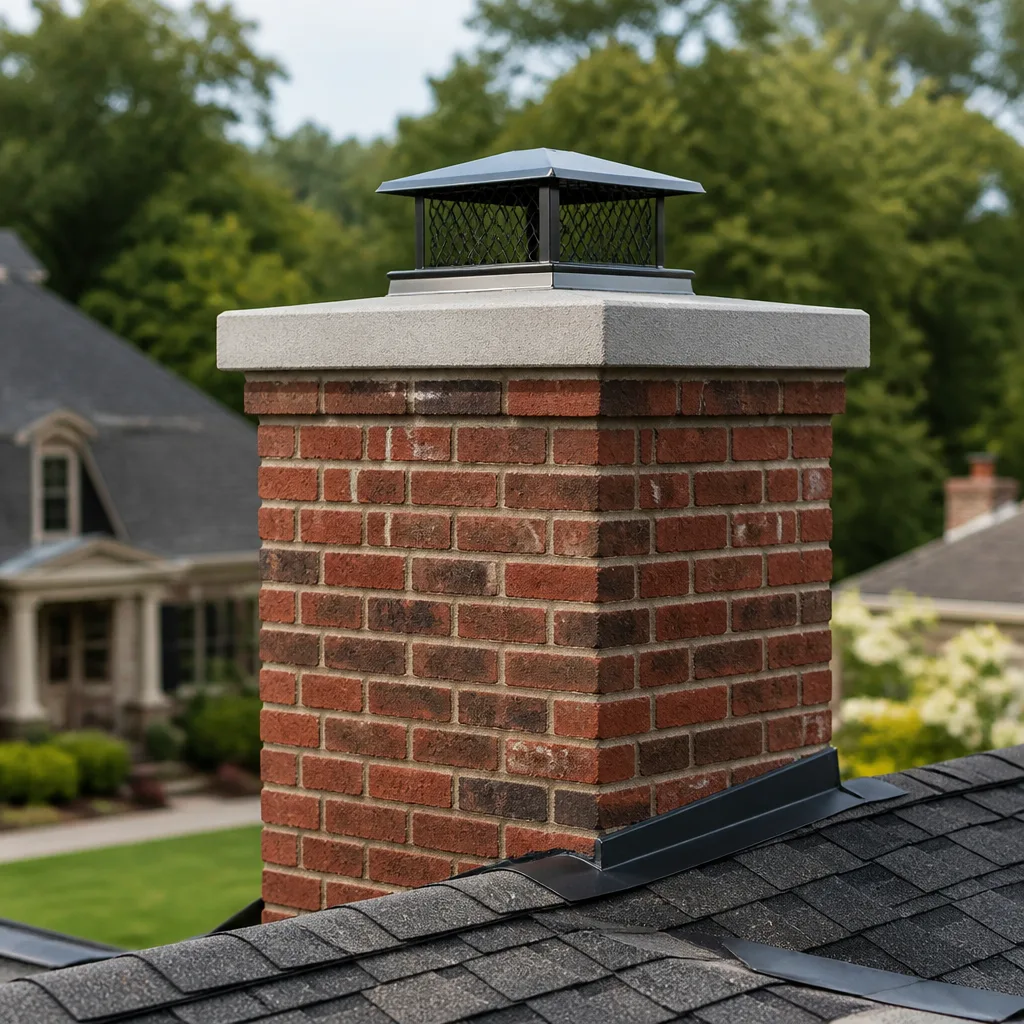 Caps & crowns
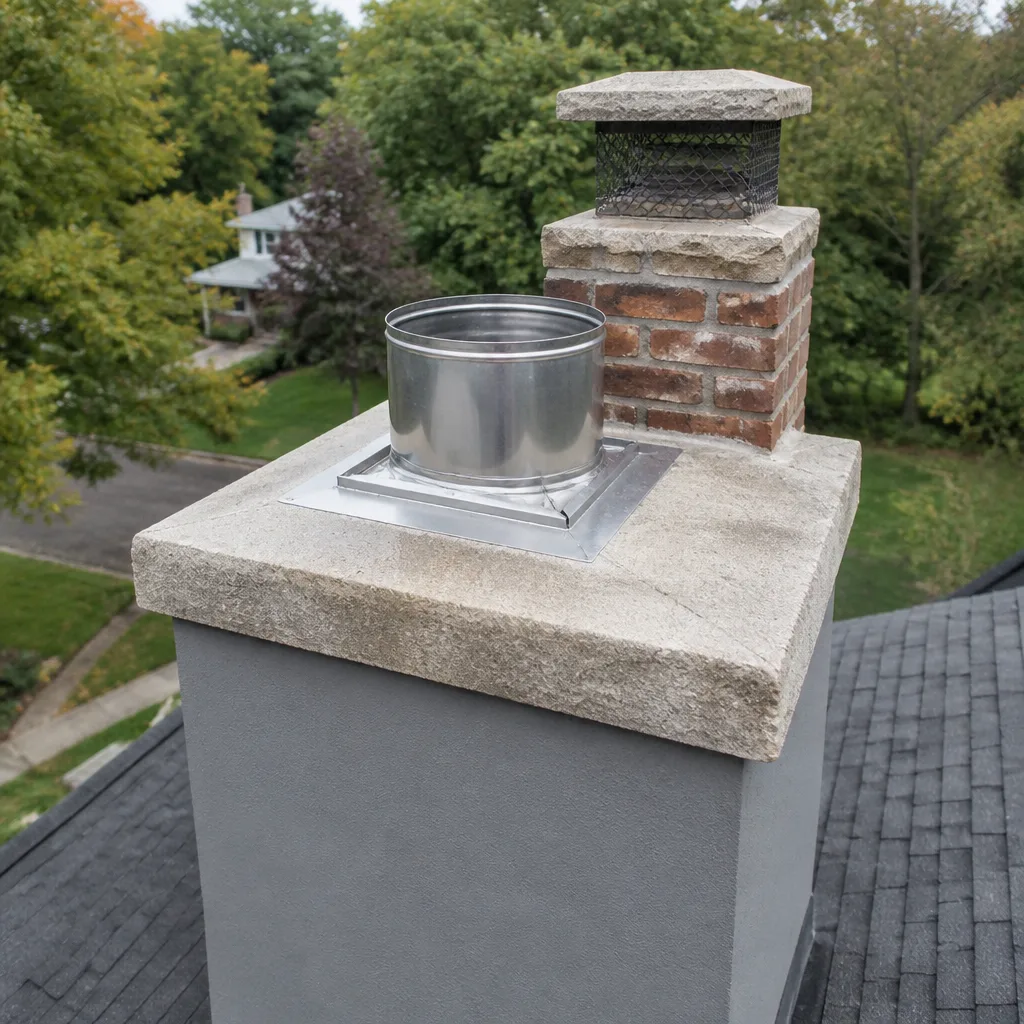 Flue relining
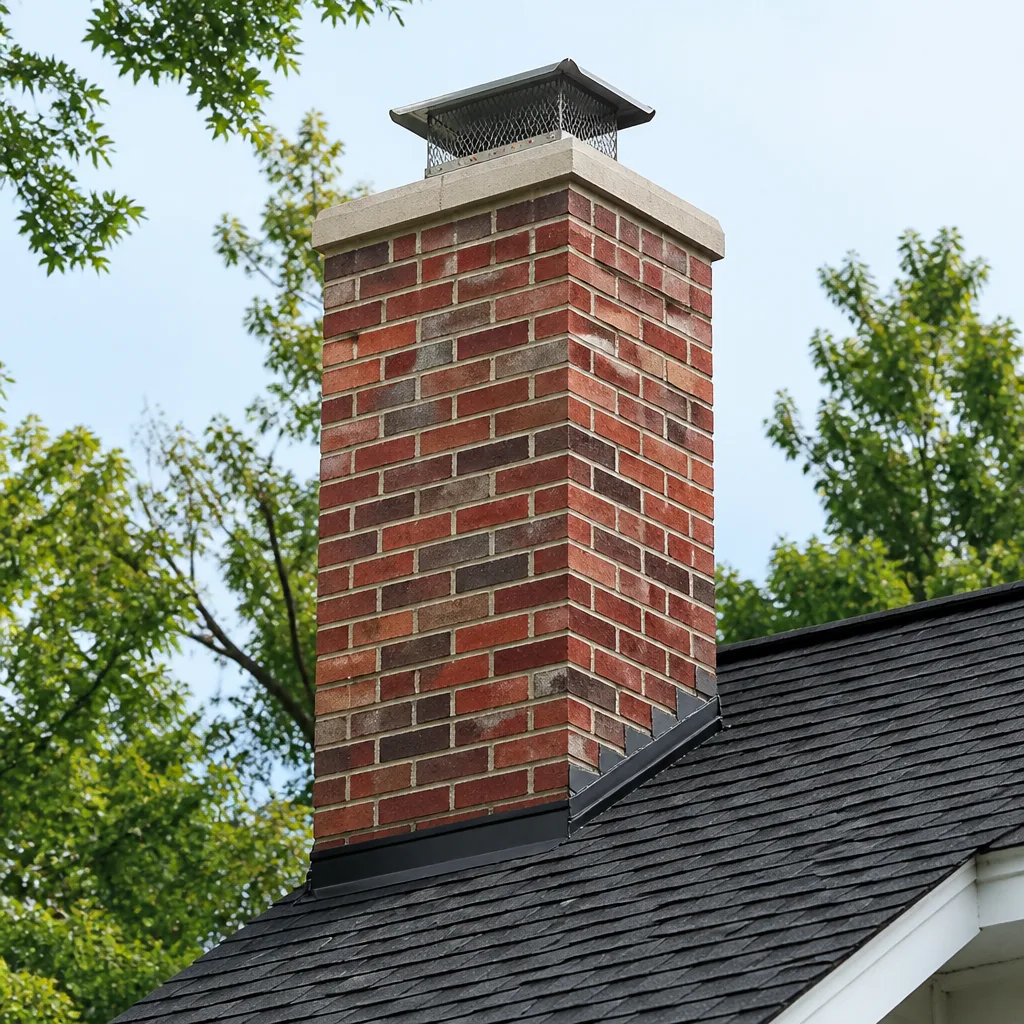 Masonry repair
 Gas fireplace service
Level 1 sweep and inspection to the NFPA 211 annual standard - flue, crown, cap, and flashing checked and photographed
Chimney sweep logs do not sweep chimneys. They loosen some creosote - which then falls where a brush and vacuum still have to collect it.
Chimney Cleaning Emergency Preparedness Guide for Pelham Bay Homes
The most dangerous twenty minutes of a chimney fire aren’t the flames. They’re the ones after, when the fire is out and nobody in the house knows whether the flue liner cracked under the heat. That uncertainty is what sends people back to bed in a house that may now be venting carbon monoxide into the living room. Preparedness isn’t a fire extinguisher on the wall. It’s knowing your chimney system before heating season starts, so the night something goes wrong, you’re responding to a system you understand. This guide covers liner identification, a step-by-step fire response plan, CO risk from damaged flues, what to record now, and what has to happen before the chimney is used again. We’ve written it from Pelham Bay, where brick houses with original flues make that knowledge matter.
Quick Answer
Chimney fire preparedness means knowing three things before the emergency: what kind of liner your chimney has, where your carbon monoxide detectors sit, and what to do in the first five minutes of a flue fire. Clay tile, stainless steel, and cast-in-place liners each fail differently, so the liner type determines whether you can stay in the house afterward and what inspection you need before using the chimney again. Have the system inspected and the liner documented before the burning season, not after a scare.
Styles & brands we work with
- Sweep & inspection
- Caps & crowns
- Flue relining
- Masonry repair
- Gas fireplace service
Table of Contents
- How Do You Identify Your Chimney Liner Type?
- What Should You Do in the First Five Minutes of a Chimney Fire?
- How Does a Cracked Liner Become a Carbon Monoxide Pathway?
- What Should You Document About Your Chimney System Right Now?
- What Does a Level 3 Inspection Involve After a Chimney Fire?
- Why Is Moisture Protection Part of Emergency Preparedness?
- How Do You Get Ready Before Pelham Bay’s Heating Season?
- When to Call a Professional
How Do You Identify Your Chimney Liner Type?
Most Pelham Bay homes fall into one of three liner categories, and the way you find out is by having the flue looked at with a camera before anything happens. A liner is the pipe inside the masonry that carries smoke and gases up and out. The chimney’s brickwork is the shell, not the passageway. Without a proper liner, creosote and heat sit directly against brick and mortar joints that were never meant to contain a fire.
The three liner types you’ll encounter
- Clay tile liner. Square or rectangular terracotta tiles stacked inside the flue, with mortar joints between them. Common in older masonry chimneys. Over time, heat and moisture crack the tiles and eat away the joints, and once a joint fails, the chimney can leak gases into the structure.
- Stainless steel liner. A flexible or rigid pipe inserted into the flue. Flexible systems like DuraFlex let a technician line an older chimney with offset or irregular passage that a rigid pipe cannot follow. Steel liners generally resist cracking, but their seams and connections need to be inspected.
- Cast-in-place liner. A cement-based material formed against the inside of the flue, usually around a removable form. When it’s intact, it’s solid and continuous. When it cracks because of a chimney fire or settling, it can fail at the crack line.
Our technicians have up to 15 years of experience identifying these systems, and the difference matters most during an emergency. A clay tile flue that has seen a hot fire needs a different follow-up than a stainless system. If you don’t know your liner type, a chimney sweep with a camera can tell you and photograph the inside of the flue. Record what they find. We’ll come back to that in the documentation section, because it’s the single most useful thing you can do before the season.
What Should You Do in the First Five Minutes of a Chimney Fire?
A chimney fire can be loud or nearly silent. Some announce themselves with a roar like a freight train and shaking flue pipes. Others smolder quietly inside a blocked flue and show themselves only as a smell, a stain, or a puff of smoke where there shouldn’t be one. The response plan has to work for both.
The numbered response plan
- Get everyone out of the house first. Don’t stop to check the chimney. Get people outside, then call 911 from outside. If you suspect a fire in the flue, the fire department is not an overreaction.
- Close the glass doors or damper if you can do it safely from outside the firebox. Cutting off the air supply to the firebox can help starve a fire that’s still drawing. Never reach into a hot firebox or climb onto a roof to do this.
- Don’t throw water on it. Water on a hot masonry flue can crack liner tiles and the crown. Leave suppression to the fire department.
- Stay out. Even after the flames die down, a cracked liner can let carbon monoxide and smoke into the house. The twenty minutes after a fire is the period when people most often make the wrong decision about going back in.
- Do not use the chimney again until it has been inspected. That means no fire, no wood stove, no gas insert. A confirmed chimney fire calls for a Level 3 inspection, which we’ll explain below.
If your chimney is connected to a gas appliance, close the appliance’s gas shut-off if you know where it is and can reach it without risk. If you don’t know where it is, that’s something to find out this week, before you need it. For Pelham Bay homeowners with oil or gas flues, the same rule applies: get out, call 911, stay out until the fire department clears the house.
How Does a Cracked Liner Become a Carbon Monoxide Pathway?
Carbon monoxide is produced by every fuel-burning appliance, and the chimney’s job is to carry it outside. A crack in a clay tile liner, a failed joint, or a cracked cast-in-place liner gives the gas another route: into the space between the liner and the brick, and from there into the house. A chimney that drafts properly on a cold night can still leak CO through a liner crack, especially when the house is tightly sealed and the pressure balance shifts.
Symptoms to recognize
- Headache, dizziness, and nausea that improve when you leave the house and return when you come back
- Confusion or drowsiness that doesn’t match how tired you should be
- Family members and pets feeling unwell at the same time, in the same rooms
- Flulike symptoms with no fever, particularly in the heating months
Where detectors belong
- On every level of the home, including the basement
- Outside each sleeping area, so someone wakes up if it alarms at night
- Near the appliance itself, but not directly above it, where false alarms are common
Test your detectors now and replace the batteries on a schedule you’ll remember. A CO detector is the only tool that will tell you a liner crack has become a live pathway. It’s also why a full-system inspection matters: a technician with a camera finds the crack before the detector finds the gas. When the flue is damaged, our approach is to repair the liner and restore the path out of the house. A HeatShield ceramic resurfacing job can often bring a damaged clay liner back to full integrity without tearing out the existing flue, which is a repair path most sweep-only companies can’t offer.
What Should You Document About Your Chimney System Right Now?
In the middle of an emergency, nobody remembers the flue details. Write them down while everything is quiet. Emergency responders and your insurance adjuster will both want this information, and the fire department can act faster when it knows what it’s dealing with.
Your chimney system record
- Liner type and material. Clay tile, stainless steel (flexible or rigid), or cast-in-place. Note the brand if a technician identifies one, such as DuraFlex or Olympia Chimney.
- The last inspection date and what it found. A Level 1, Level 2, or Level 3 inspection each covers different ground. Record which one was done and whether any defects were noted.
- Any known cracks, spalling, or staining. Water staining on the ceiling near the chimney, cracked exterior brick, or rust on the damper means moisture is getting in, and moisture is often what turns a small liner defect into a real one.
- What appliances vent into it. Fireplace, wood stove, gas boiler, oil furnace, or gas insert. Some Pelham Bay houses have two flues sharing one chimney, each serving a different appliance.
- Carbon monoxide detector locations and test dates. Your family should know where they are before they need them.
- Photos of the interior and exterior of the chimney. A phone photo of the crown and the firebox takes two minutes and helps any inspector you call later.
Keep this on paper in a kitchen drawer, not buried in a phone you might leave on the counter during an evacuation. A chimney cap and crown that are intact keep water and animals out of the flue year-round, so note the condition of both. When Pelham Bay has a hard freeze, then a thaw, and then another hard freeze, the crown and the mortar joints at the top of the chimney take a beating. A small crack that opens in the winter becomes a water path by the next rain, and water in the flue is what sets up a liner for failure.
What Does a Level 3 Inspection Involve After a Chimney Fire?
A Level 3 inspection is the most thorough inspection the chimney trade performs, and a confirmed chimney fire is the situation that calls for it. Level 1 covers what’s visible; Level 2 adds a camera through the whole flue. Level 3 goes a step further: it reaches concealed portions of the chimney and often opens parts of the structure to look directly at the liner, the surrounding masonry, and the framing.
What to expect
- Access work. The inspector may remove panels, open a wall, or take down part of the masonry to get to the flue. This is not damage; it’s how concealed defects get found.
- Camera and visual review of the entire flue. Heat from a chimney fire can warp or crack a liner in places not visible from the firebox.
- Checking the joints, the crown, and the flashing. A chimney fire can loosen the crown, crack the mortar at the top, and damage the flashing that seals the chimney to the roofline.
- Checking anything that vents into the chimney. If a gas or oil appliance shares the flue, its connection has to be verified before it is returned to service.
- A written report. A camera inspection with photos belongs in your hand, both for your own understanding and for the insurance adjuster. You should see the defect, not just be told it exists.
Chimney Sweep Pelham Bay works across five service categories – sweep, inspection, cap and crown, chimney repair, and fireplace repair – so a Level 3 finding flows into the actual repair rather than a referral to someone else. After a fire, the chimney cannot be used until this inspection is completed and any defects are corrected. That rule is not negotiable, and no responsible technician will bend it.
Why Is Moisture Protection Part of Emergency Preparedness?
The most common path to a damaged liner doesn’t start with fire. It starts with water. A chimney without a proper cap lets rain straight into the flue, and a cracked crown sends water down through the brick. That moisture freezes and thaws, loosens mortar joints, and leaves the liner vulnerable. By the time a homeowner lights the first fire of the season, the flue is already weaker than it was last spring.
A cap and crown are first-line defense, not an upsell
- A chimney cap & crown keeps rain, snow, animals, and debris out of the flue and protects the top of the chimney from weather.
- A sound crown sheds water away from the brick and mortar joints, which are the most exposed part of the chimney.
- We use Gelco and Famco components for cap and venting work, the same professional-grade lines chimney technicians specify rather than off-the-shelf hardware.
- An intact cap and crown also keep birds and squirrels from nesting in the flue, which is a common cause of a blocked, poorly drafting chimney.
In our experience, the homes that need the most expensive repairs are the ones that went years with a damaged crown and no cap. Moisture gets in, the liner cracks, and eventually a repair that could have been a crown job becomes a relining job. That’s why we treat cap and crown work as a core service, not a sales add-on. The whole point is to keep water out and heat in. For a Pelham Bay house with a chimney on a north-facing wall, that protection is what keeps the system intact through the deep part of winter.
How Do You Get Ready Before Pelham Bay’s Heating Season?
Preparedness is a fall list, and it’s a short one. Do these things before the first cold stretch, and you’ll go into the season knowing your system instead of guessing at it.
- Book a sweep and inspection. A trained chimney technician cleans the flue and checks the liner, crown, cap, and firebox. Firm creosote buildup is the fuel a chimney fire needs, and a sweep removes it before it becomes a hazard.
- Get the liner identified and recorded. Ask the technician to tell you the liner type and give you a camera photo. Write it into the record you keep in the house.
- Test all carbon monoxide detectors and replace the batteries. Put a reminder on your calendar for the same time next year.
- Check the cap and crown while the technician is there. A loose cap or a hairline crack in the crown is a cheap fix in September and a much bigger one in January.
- Find your appliance shut-offs. Gas and oil shut-offs, the damper, and the fire extinguisher should all be in places every adult in the house knows.
- Review the fire response plan with your family. Get out, call 911, stay out, and don’t use the chimney until it’s inspected. Practice it out loud once.
Pelham Bay homes with original masonry chimneys are the ones where this list pays off most. The neighborhood’s older housing stock means plenty of clay tile and cast-in-place liners that have seen a lot of winters. Those liners can be sound, but you won’t know until someone looks with a camera. Across Pelham Bay, chimney systems like this benefit from that check before the heating season, not after a scare. If the inspection turns up a problem, we can Chimney Sweep Pelham Bay with a repair plan and explain what can safely wait and what can’t.
See the difference
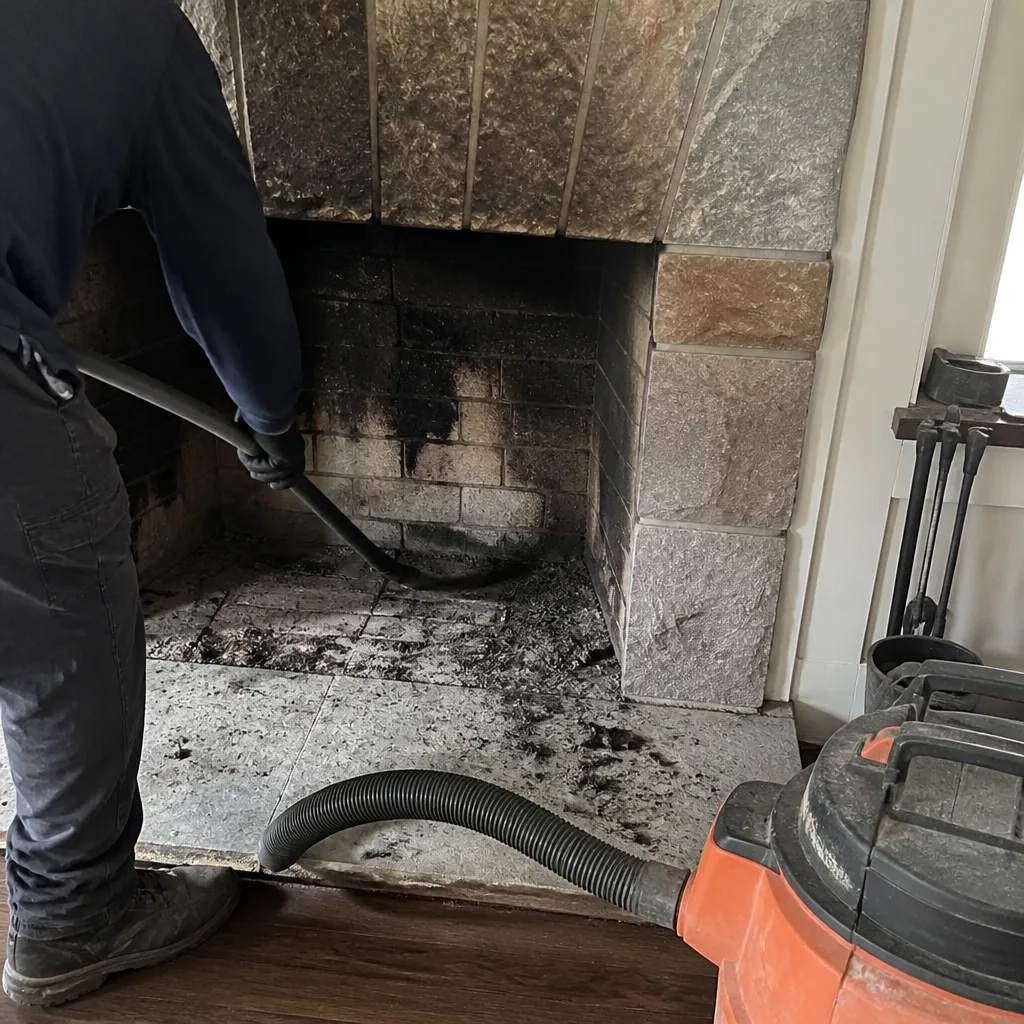 Before
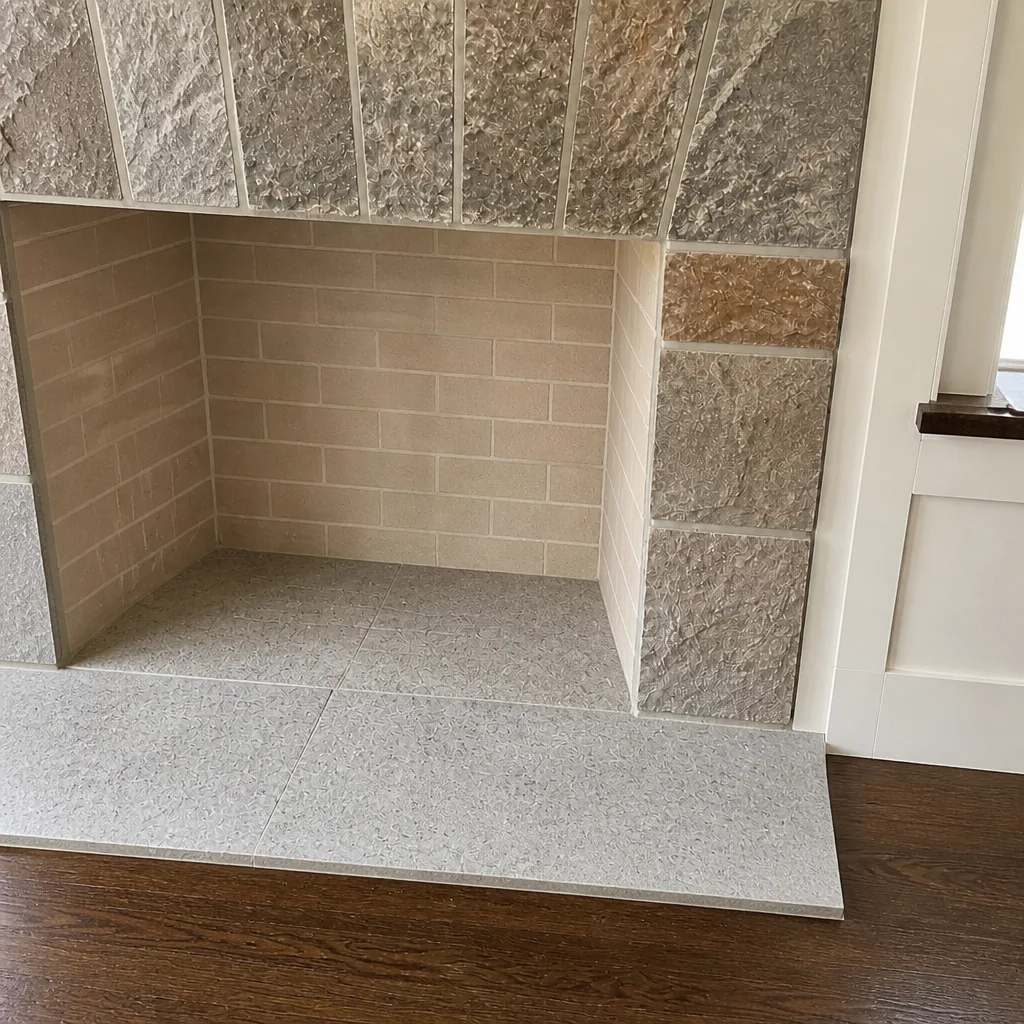 After
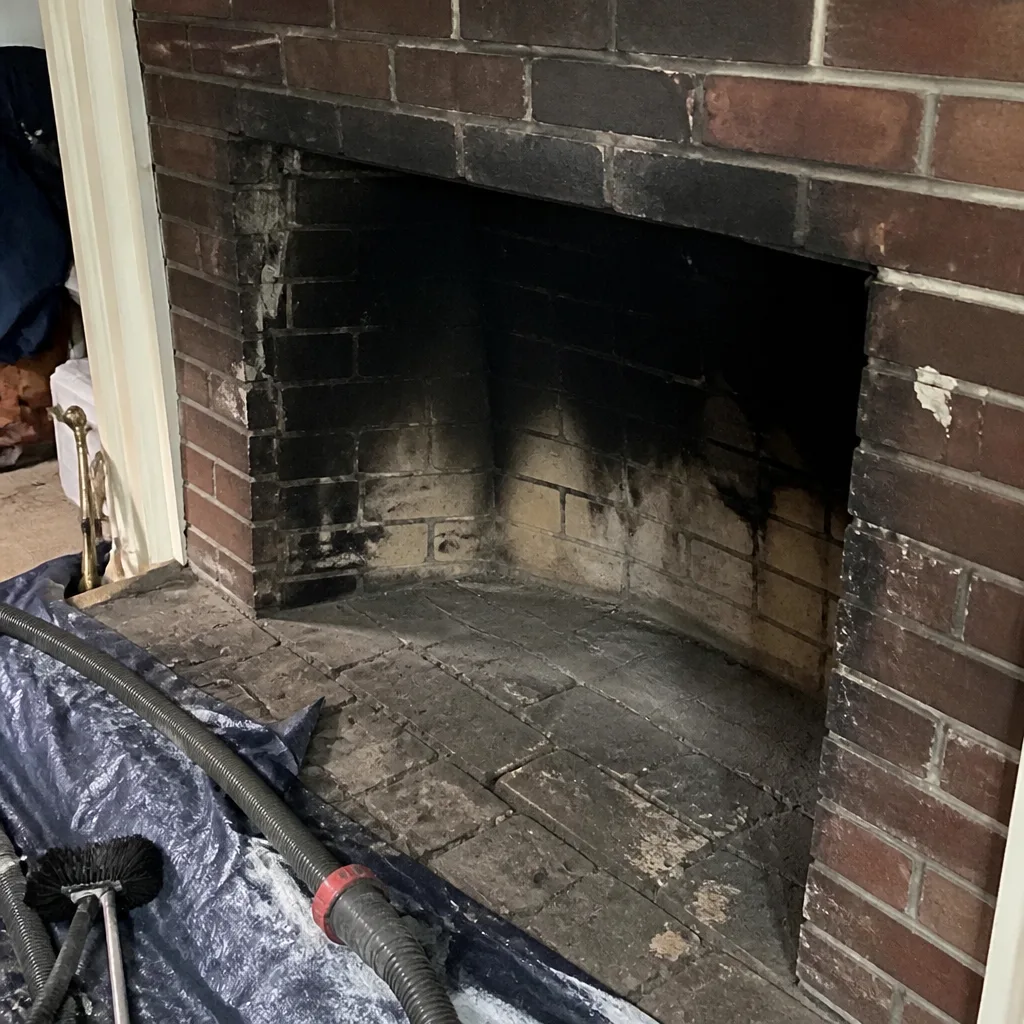 Before
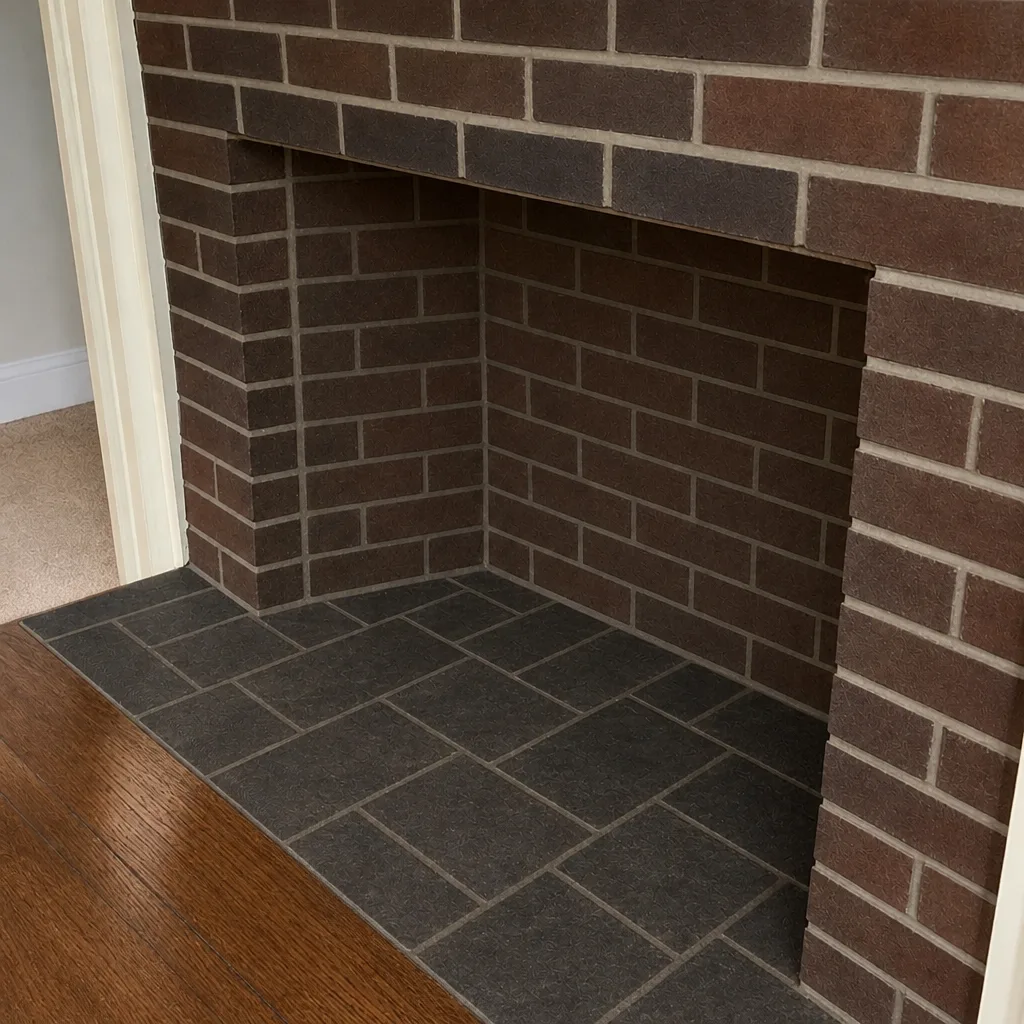 After
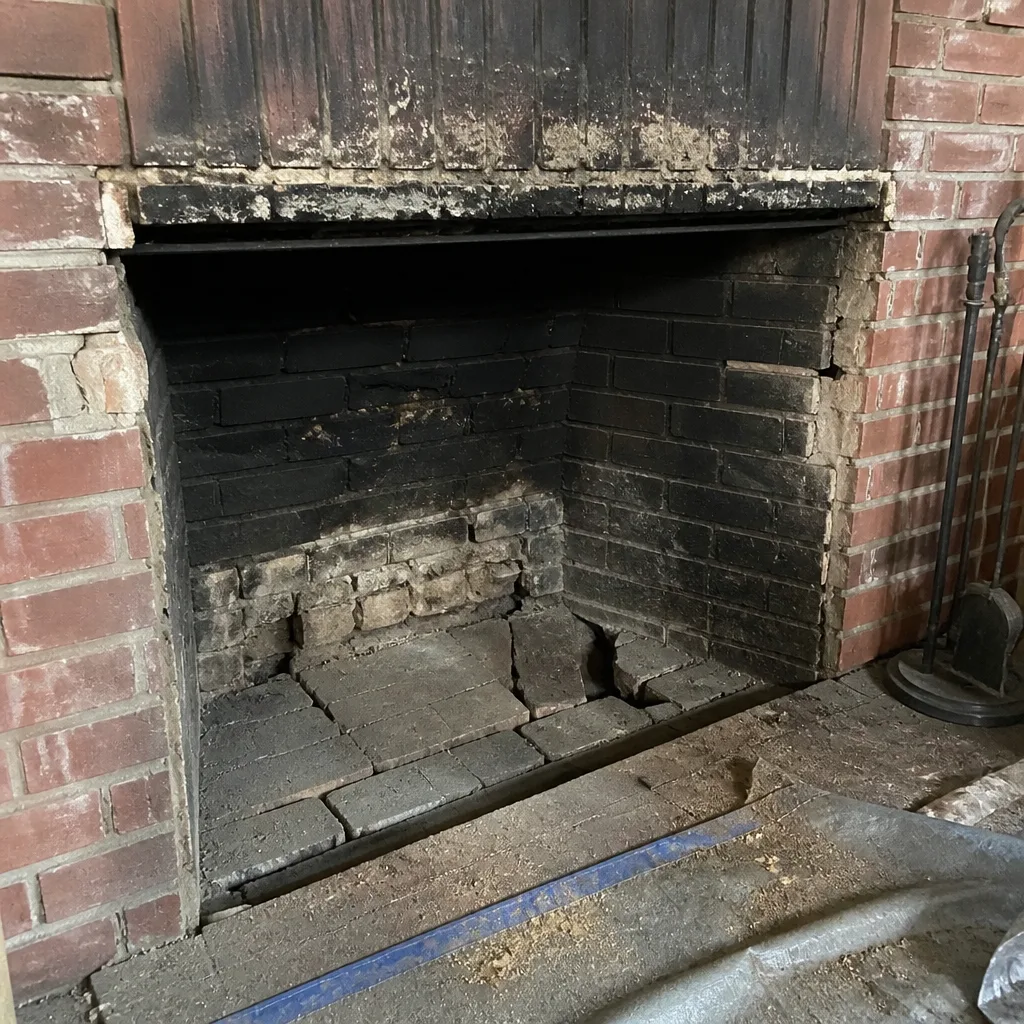 Before
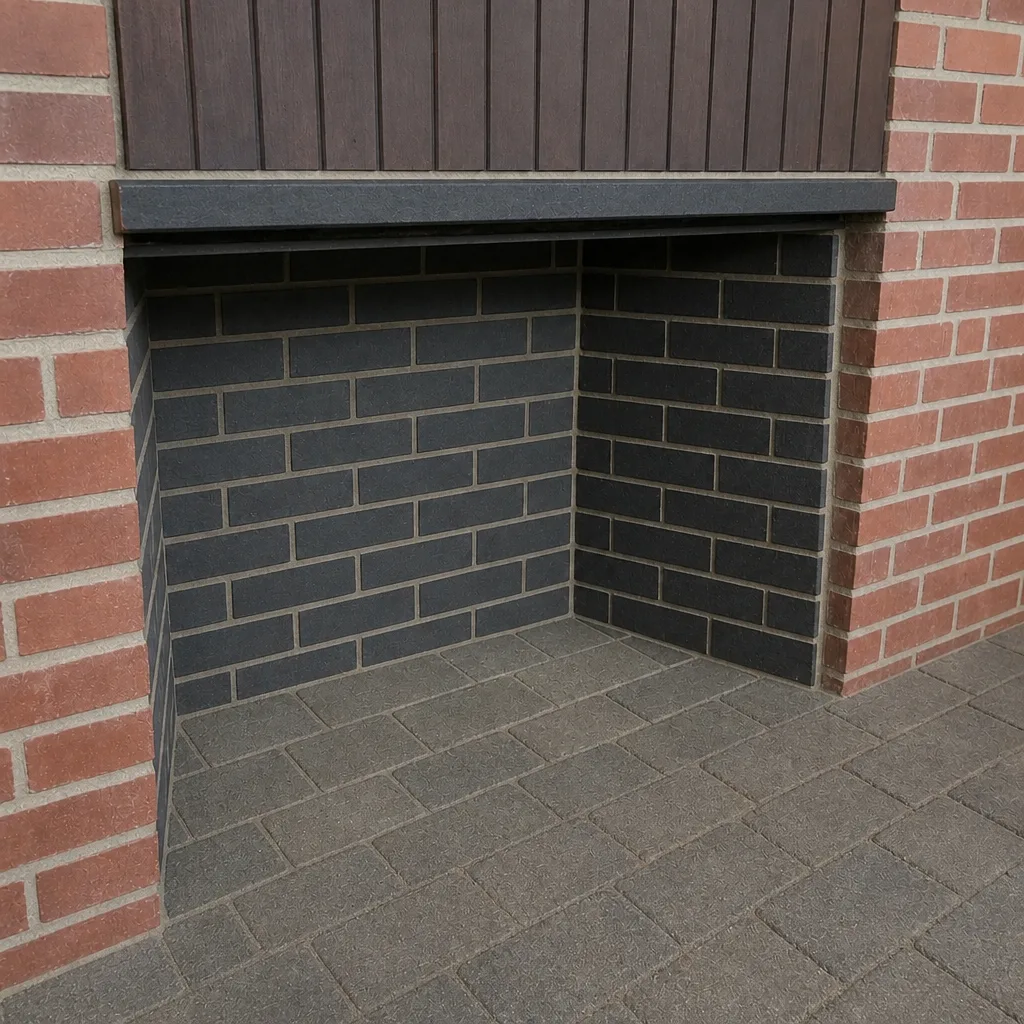 After
Common Mistakes to Avoid
- Skipping inspections because the chimney “looks fine” from the ground. Liner cracks happen inside the flue where you can’t see them. A camera inspection is the only way to know the liner’s condition.
- Using the chimney after a fire without a Level 3 inspection. A chimney fire can crack a liner without any outward sign. Lighting another fire risks carbon monoxide entering the house.
- Relying on a fire extinguisher as the plan. A flue fire burns inside the chimney structure, where a handheld extinguisher can’t reach it. The plan is to get everyone out and call 911.
- Leaving the chimney uncapped. In Pelham Bay’s freeze-thaw winters, an open flue takes on water every storm, and that water stresses the liner from the inside. A cap is the cheapest protection a chimney gets.
- Hiring the cheapest sweep and treating the findings as optional. A low-price sweep often comes with an alarming repair estimate you can’t verify. Ask to see the camera photos before agreeing to any major work, and don’t accept a big-ticket repair without them.
- Forgetting the carbon monoxide detectors. A detector is the one device that will tell you a cracked liner has become a real pathway into your house. Test it on a schedule.
- Ignoring water stains near the chimney. Staining on the ceiling or wall near the chimney is a sign moisture is getting into the structure. It should be investigated, not painted over.
When to Call a Professional
Call a professional chimney service if you’ve had a chimney fire, even a small one; if you see water staining or cracked brick near the chimney; if the fire smokes, drafts poorly, or smells even after the flue is warmed; if you’ve never had the liner inspected; or if your carbon monoxide detector has ever sounded near a fuel-burning appliance. Do not use a chimney that’s had a fire until it has been inspected. Chlorine, sodium, or chemical flue treatments sold as “fire prevention” aren’t a substitute for a cleaning and an inspection, and none of them restore a cracked liner. Chimney Sweep Pelham Bay offers free estimates in Pelham Bay – call (877) 820-9084. We answer 24/7. Fast dispatch from 7am to 7pm, Sunday through Friday.
Frequently Asked Questions
The general rule is once a year, and more often if you burn frequently or notice creosote buildup. For a Pelham Bay wood-burning fireplace used through the heating season, an annual sweep and inspection is the standard. If oil or gas appliances vent into the chimney, that inspection also covers those connections. Call (877) 820-9084 to book a sweep and inspection before the season.
Yes. A confirmed chimney fire calls for a Level 3 inspection, because that’s the level that looks at concealed parts of the chimney and liner. Heat from a fire can crack a liner in ways a visual check from the firebox won’t reveal. Do not use the chimney until the inspection is done. Call for an inspection and get the findings in writing.
Only after the fire department has cleared the home and the chimney has been inspected. Until the liner is confirmed intact, a cracked flue can let carbon monoxide into the living space. If your CO detector is sounding or anyone feels unwell, get out and call 911. Then get the chimney inspected before using it again. Call (877) 820-9084 for an inspection.
You find out with a camera inspection by a chimney technician. Clay tile, stainless steel, and cast-in-place liners each look different and fail in different ways. Once you know the type, write it down with the date of the inspection. If you’re not sure, book an inspection; the technician can tell you and give you a photo of the flue interior.
That depends on your policy, and the written inspection report is what your adjuster will work from. A camera inspection with photos and a clear description of the defects gives the adjuster actionable information. We document what we find so you have it to submit. Ask your insurer directly about coverage, then call for the inspection.
Creosote builds up, the flue drafts worse, and the risk of a chimney fire rises. A blocked or heavily glazed flue can also send smoke back into the room and, if the liner is compromised, carbon monoxide into the house. Skipping a year once isn’t a catastrophe; skipping several is how small problems become expensive ones. Call (877) 820-9084 to get back on schedule.
The Bottom Line
Chimney fire emergency preparedness comes down to knowing your system before you need it. Identify your liner type, record it with the last inspection date, test your carbon monoxide detectors, and have a response plan the whole family can say out loud: get out, call 911, stay out, and don’t use the chimney until a Level 3 inspection has been completed. Cap and crown work protects the whole system from the moisture that sets up liner failures. Handle the sweep and inspection before heating season, keep the camera findings in writing, and you’ll be responding to a known chimney instead of an unknown one. Start with a chimney sweep and a full-system inspection, and if anything turns up, we can repair the chimney and restore the crown.
Contact Us
If you’re ready to get your chimney documented and inspected before the heating season, call Chimney Sweep Pelham Bay at (877) 820-9084 for a free estimate. We answer 24/7. Fast dispatch from 7am to 7pm, Sunday through Friday. We’ll tell you what we find, show you the photos, and explain plainly what can safely wait and what needs attention now.
Written by the team at Chimney Sweep Pelham Bay.