
Last updated November 25, 2026
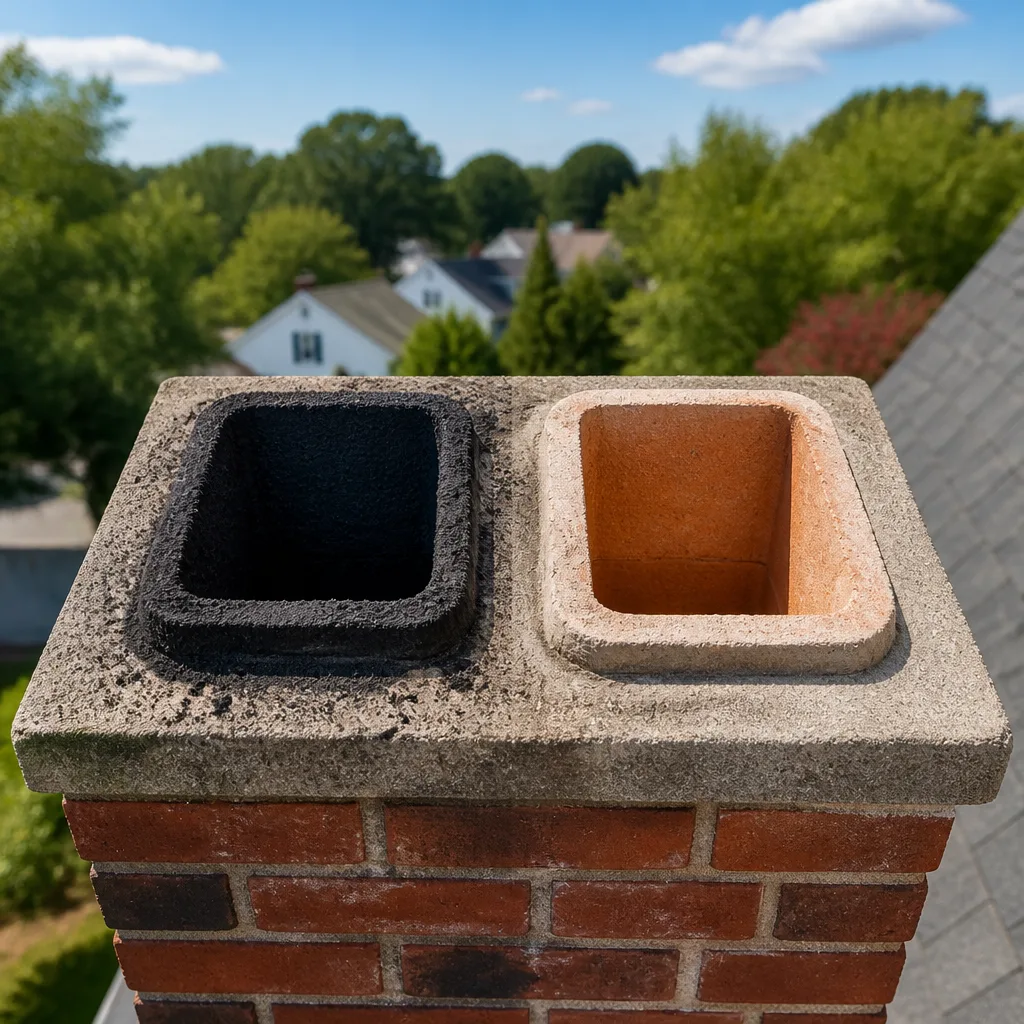 Sweep & inspection
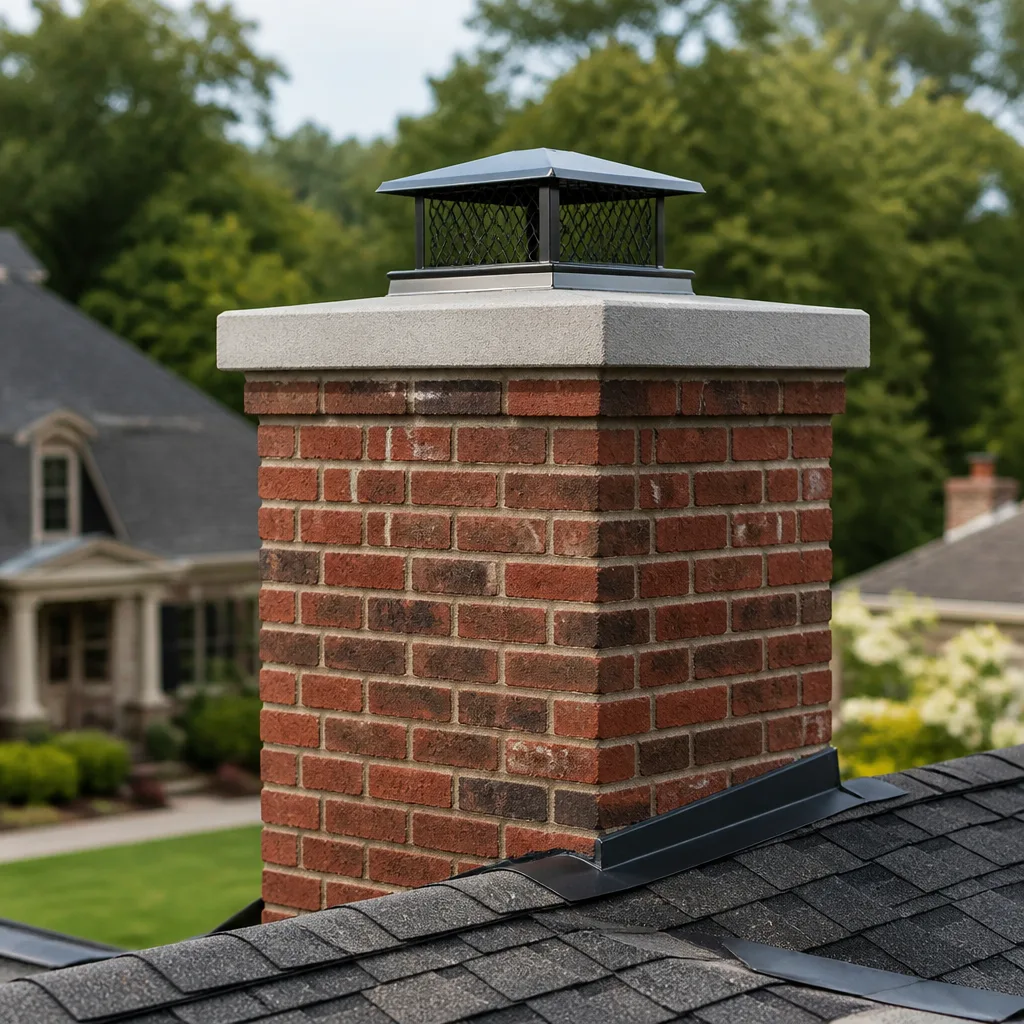 Caps & crowns
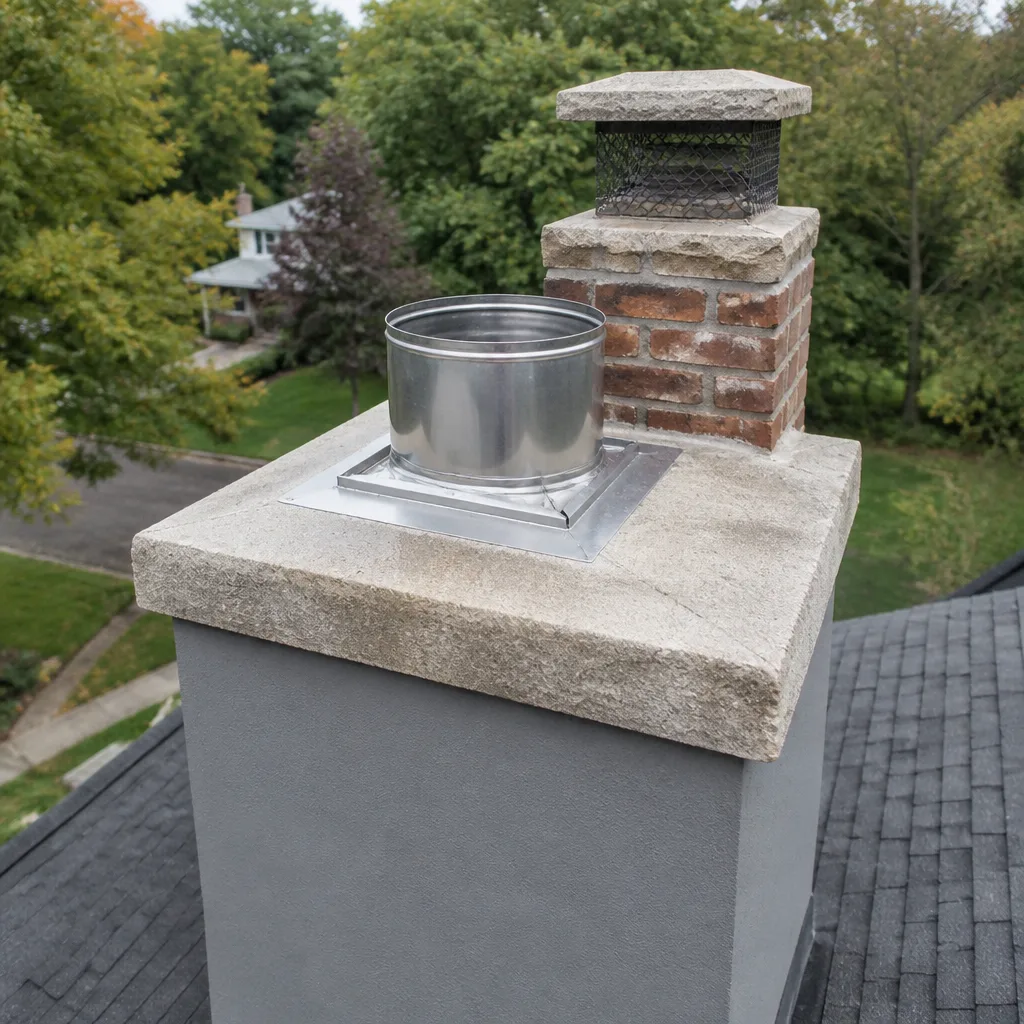 Flue relining
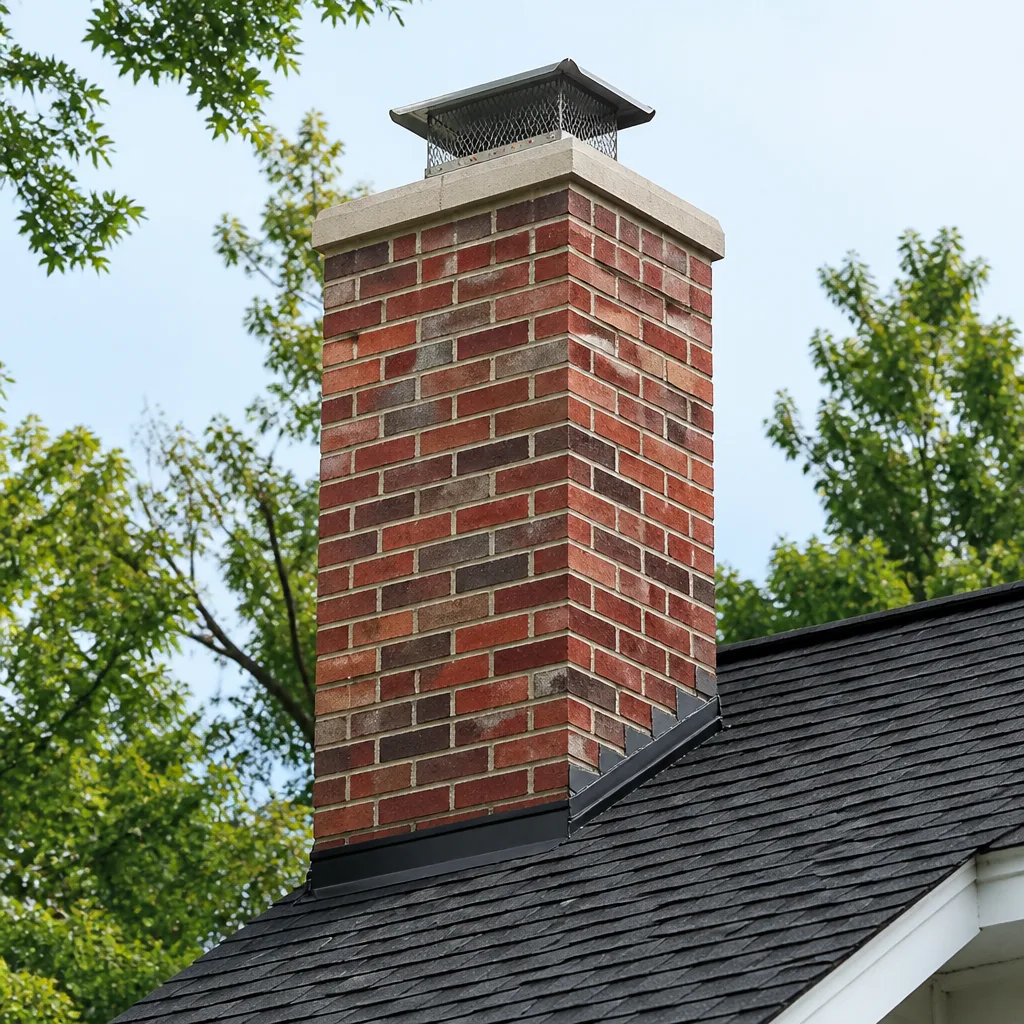 Masonry repair
 Gas fireplace service
Level 1 sweep and inspection to the NFPA 211 annual standard - flue, crown, cap, and flashing checked and photographed
Chimney sweep logs do not sweep chimneys. They loosen some creosote - which then falls where a brush and vacuum still have to collect it.
Chimney Sweep Maintenance Checklist for Pelham Bay Homeowners
The damper is the most-touched part of a chimney and the least-inspected. Most homeowners open and close it every time they light a fire, yet almost nobody looks at the plate itself. A warped or corroded damper is quietly wrecking your draft and leaking conditioned air out of the house 365 days a year. That’s the thing about chimneys: the parts you handle most get checked least. This checklist treats your chimney as a connected system, from the crown to the firebox, and it’s built around what actually degrades first in Pelham Bay’s brick-and-mortar homes. You’ll learn what to check yourself, what to leave to a pro, and how to track deterioration over time.
Quick Answer
A homeowner’s chimney maintenance checklist for Pelham Bay should cover seven components in order: crown, cap, flashing, damper, smoke chamber, flue liner, and firebox. Sweep and inspect annually if you burn regularly, check the cap and crown visually each season, and document condition every year so you can spot a failing liner before it becomes a chimney fire or carbon monoxide problem. Anything involving the flue liner, smoke chamber, or firebox interior needs a trained technician with a camera.
Styles & brands we work with
- Sweep & inspection
- Caps & crowns
- Flue relining
- Masonry repair
- Gas fireplace service
Table of Contents
- Why a Checklist Beats a Cleaning
- The Seven-Point Component Checklist
- What You Can Safely Check Yourself (and What You Can’t)
- How Often You Burn Changes the Timeline
- Failure Patterns Common to Pelham Bay Homes
- How to Document Chimney Condition Year Over Year
- Common Mistakes to Avoid
- When to Call a Professional
Why a Checklist Beats a Cleaning
A sweep-only service removes creosote and leaves. A checklist looks for the cascade failures that start fires. Those failures are connected. A cracked crown lets water in. Water rusts the damper and softens the mortar at the smoke shelf. Cracks open in the flue liner. Then a hot flue gas finds a path into the framing. That chain runs top to bottom, and no single component tells the whole story.
In our experience working through Pelham Bay homes, the homes with the worst damage aren’t the ones that skipped a sweep. They’re the ones that got swept every year by someone who never looked up. A brush knocks creosote down; it doesn’t tell you whether the crown still sheds water or the liner joints have opened.
That’s why we work from the crown to the firebox as one system. When the chimney repair work follows straight out of the inspection findings, nothing gets lost in a handoff to a second contractor. A full-system inspection service that feeds directly into repair capability is the whole point.
The other reason to think in systems: restore, not just clean. A damaged flue isn’t always a teardown. With HeatShield ceramic resurfacing, we can often restore liner integrity without a full reconstruction. That’s a repair path most sweep-only companies can’t offer, and it only surfaces when someone inspects the liner honestly in the first place.
The Seven-Point Component Checklist
Here’s the component-by-component checklist, top to bottom. This is the order a professional inspection follows, and it’s the order degradation happens.
- Crown. The concrete or mortar cap that caps the chimney top and sheds water away from the masonry. Check for cracks, a split seam where the crown meets the flue, missing chunks, or a crown that’s pulling away. A cracked crown is the single most common entry point for water in brick chimneys.
- Cap. The hood that covers the flue opening, with a spark screen and side mesh. Check that the cap is anchored firmly, that the screen isn’t torn or clogged, and that the whole assembly hasn’t popped loose. A properly fitted cap keeps rain, birds, and squirrels out and keeps heat in.
- Flashing. The metal seal where the chimney passes through the roofline. Check for lifting edges, cracked caulking, rust through the metal, or gaps where the flashing meets the shingles. Flashing failures leak into the chase and the ceiling below.
- Damper. The plate that closes off the flue when you’re not burning. Check that it opens and closes fully, that the plate isn’t warped or rusted through, and that it sits flush when closed. This is a part to watch every single season.
- Smoke chamber. The sloped shelf above the damper that funnels smoke up into the flue. Check for crumbling mortar, soot buildup on the sharp edges, or visible gaps. You usually can’t see this from the hearth; it needs a camera.
- Flue liner. The clay or metal pipe that carries smoke and gas out of the house. Check for cracked tiles, missing joint mortar, misaligned liners, and gaps that break the seal. Any breach here is a fire path and a carbon monoxide path.
- Firebox. The masonry box where the fire sits. Check for cracks in the firebrick, loose or crumbling mortar joints, white chalky staining, and any spot where the firebrick has worn thin. Firebox damage is a very common late finding.
Each of those seven is a complete item on its own, but the diagnostic value is in reading them together. A damp damper plus smoke staining at the firebox usually means draft problems, not a dirty flue. A clean firebox plus a cracked crown usually means the water damage hasn’t reached the interior yet. That connective reading is what separates a real inspection from a quick look.
What You Can Safely Check Yourself (and What You Can’t)
Some checklist items are safe for homeowners to verify. Some aren’t, and trying to inspect them yourself can cause real injury. Here’s the split.
Safe for you to check
- The cap. From the ground with binoculars, or from a stable ladder at the roofline you can safely reach. Look for tears in the spark screen, a missing cap, or a loose cap.
- The visible crown. Cracks wider than a fingernail, chunks missing at the edge, and a crown that looks like it’s pulling away from the flue are all visible from a safe position. Don’t get on the roof to look.
- Smoke staining at the top of the firebox. Soot streaks running up the face of the firebox or staining above the damper are a draft problem indicator you can see from the hearth.
- White staining on the brick face. Chalky white bloom on the exterior brick or the firebox walls means moisture is moving through the masonry. You can see it without opening anything.
- The damper handle movement. Open and close it a few times. It should move freely and seat fully. If it binds or flakes rust, it needs a look.
Needs a trained technician
- The flue liner interior. A camera inspection is the only reliable way to see cracked tiles, missing joint mortar, or a breached liner. Never put a light down the flue and call that an inspection.
- The smoke chamber. The sloped shelf above the damper is only visible with a camera or from the roof looking down.
- The firebox interior. Looking for hidden cracks in firebrick, worn mortar joints, and separation behind the brick needs a trained eye and proper equipment.
- Anything at roof height above a safe reach. Height work is genuinely dangerous and shouldn’t be a homeowner item.
One safety note that matters here: chimney work involves real hazards, including creosote that can ignite, carbon monoxide that you can’t smell, and height work. We don’t recommend climbing onto the roof or opening up the flue on your own. A trained professional handles the dangerous side of this work for a reason.
How Often You Burn Changes the Timeline
The once-a-year rule is a floor, not a schedule that fits every household. How often you burn changes how fast creosote builds and how quickly the parts wear. Here’s how we think about the timeline in Pelham Bay homes.
- Daily burner (weeklong fire all winter). Annual sweep and inspection is the floor, not the ceiling. Heavy use means checking the flue liner and smoke chamber every season. Warmer fires with well-seasoned wood still build creosote, and a daily habit means buildup happens fast.
- A few fires a week. One annual sweep and inspection, with the cap and crown checked at the start of the season. This is the most common Pelham Bay pattern.
- Occasional use (holidays, a cold weekend). Sweep and inspect on a regular schedule even if the fire count is low. The liner and crown still age; they don’t know you took a season off.
- Gas insert or gas appliance. Sweep schedule differs, but inspection doesn’t go away. The flue still needs an annual look for blockages, corrosion, and proper venting. Carbon monoxide matters more here, not less.
- Oil or gas furnace flue. Inspect every year. These flues deal with a different set of byproducts and venting conditions than a wood fire, and they’re a common source of carbon monoxide intrusion when they fail.
The practical point: your burn pattern should drive your schedule, not a generic calendar reminder. A household that burns hard from November through March and a household that lights four fires a year both need an annual inspection, but the heavy burner needs a closer look at liner and smoke chamber every single year.
Failure Patterns Common to Pelham Bay Homes
Pelham Bay’s housing stock is brick-and-mortar, and brick-and-mortar construction has a few predictable failure patterns. Knowing them helps you spot the early signs.
Water through the crown is the leading cause. The concrete or mortar crown at the top of a brick chimney is the first thing to crack, and once it does, water goes straight into the masonry above the roofline. In this climate, where the temperature crosses freezing repeatedly through the winter, water that gets into brick and mortar is a serious problem. Freeze-thaw cycles open small cracks into big ones. That’s why an intact crown and a fitted cap are a first-line defense here, not an optional upgrade. Cap and crown work is how you keep moisture out and heat in.
The damper and the smoke shelf. Many Pelham Bay homes have older dampers that are cast iron or a thin steel plate. These rust and warp, and a warped plate doesn’t seat. The result is a draft problem, a leak of conditioned air out of the house, and a fire that smokes at startup more than it used to.
The flue liner on older homes. Clay tile liners from decades past crack at the joints and can misalign. Offset and irregularly shaped flue passages are common in older brick chimneys. That’s where a flexible liner system like DuraFlex lets a tech reline the flue properly where a rigid liner can’t navigate the geometry. It’s also where a HeatShield resurfacing can restore the liner without a full rebuild.
The firebox interior. Continuous heat and moisture cycling wear out firebrick and mortar joints, and it’s often the last thing looked at and the first thing that needs repair. On Pelham Bay homes that heat hard all winter, this can move from cosmetic to structural in a few years.
How to Document Chimney Condition Year Over Year
Documentation is how you plan repairs instead of being surprised by them. It’s also how you catch a deterioration rate before it’s a problem. Here’s a simple method.
- Keep a photo log. Each year, take photos of the crown, cap, visible masonry, firebox face, and any staining. Store them together and date them so you can compare year to year.
- Record the camera inspection findings. Any technician who inspects the flue should give you a photo report with a clear picture of the liner, smoke chamber, and firebox interior. Keep those reports in one folder. A picture of a small hairline crack in year one becomes a picture of a widened crack in year three, and you’ll see the deterioration.
- Note the dates and the burn pattern. Record when you burned, how often, and the sweep date each season. That context tells you whether a change over time is normal wear or a warning sign.
- Note what was recommended versus what was done. If the inspection flagged a repair that could safely wait, write it down with the year. That way you know how long it’s been sitting and whether it’s still safe to wait.
- Compare at the same time each year. Check the crown and cap at the same point every season, before winter, so the comparison is clean.
The value here is honest. Most homeowners can’t tell a small crown crack from a serious one. With a year-over-year log, you can. A small crack that hasn’t moved in three years is likely safe to monitor. A crack that was thin last year and is now a wide gap is a repair you schedule. That’s the difference between reactive repair and planned maintenance.
Common Mistakes to Avoid
- Treating the sweep as the whole checklist. A brush through the flue removes creosote but tells you nothing about the crown, cap, damper, or smoke chamber. The cleaning is a step, not the checklist itself.
- Skipping the crown and cap check because the flue looks clean. In Pelham Bay’s brick-and-mortar construction, a crown that’s cracked can do years of water damage before it shows up as staining inside. Check the top of the chimney every season.
- Assuming a warped damper is harmless. A damper that doesn’t seat right degrades your draft and leaks conditioned air out of the house year-round. It’s a cheap fix that gets ignored until it affects the fire.
- No camera inspection, no paper trail. If you only get a verbal all-clear, you can’t track deterioration over time. Ask for a photo report every inspection.
- Letting a fast sell push major repair before a camera inspection. If a quote for a new liner or masonry work arrives without a clear camera image, ask to see it. A visual report is how you verify the recommendation.
- Waiting for a smoke problem to schedule a check. Draft problems and staining are often the late signal of something that started earlier in the checklist. Annual inspection catches it before the fire does.
- Ignoring the gas or oil flue because it isn’t a wood fire. Gas and oil flues still need an annual inspection and are still a carbon monoxide concern. The absence of creosote doesn’t mean the venting is fine.
When to Call a Professional
Call a professional for anything in the flue liner, smoke chamber, or firebox interior, any roof-height check, any sweep, and any repair. Call sooner if you see smoke staining that wasn’t there last year, a cap that’s loose or missing, a crown crack that’s widening, or white chalky staining on the brick. No one should be doing this work in the dark.
One call covers it when inspection findings lead to in-house repair rather than a referral. Chimney Sweep Pelham Bay offers free estimates in Pelham Bay: call (877) 820-9084. We answer 24/7. Fast dispatch from 7am to 7pm, Sunday through Friday. Our technicians have up to 15 years of experience. The local pro is licensed and insured as their state requires. Nothing is recommended without camera evidence you can see for yourself, and we’ll tell you plainly when a repair can safely wait.
For a routine sweep, visit chimney sweep or, to see everything we handle from the crown to the firebox, start at Chimney Sweep Pelham Bay.
See the difference
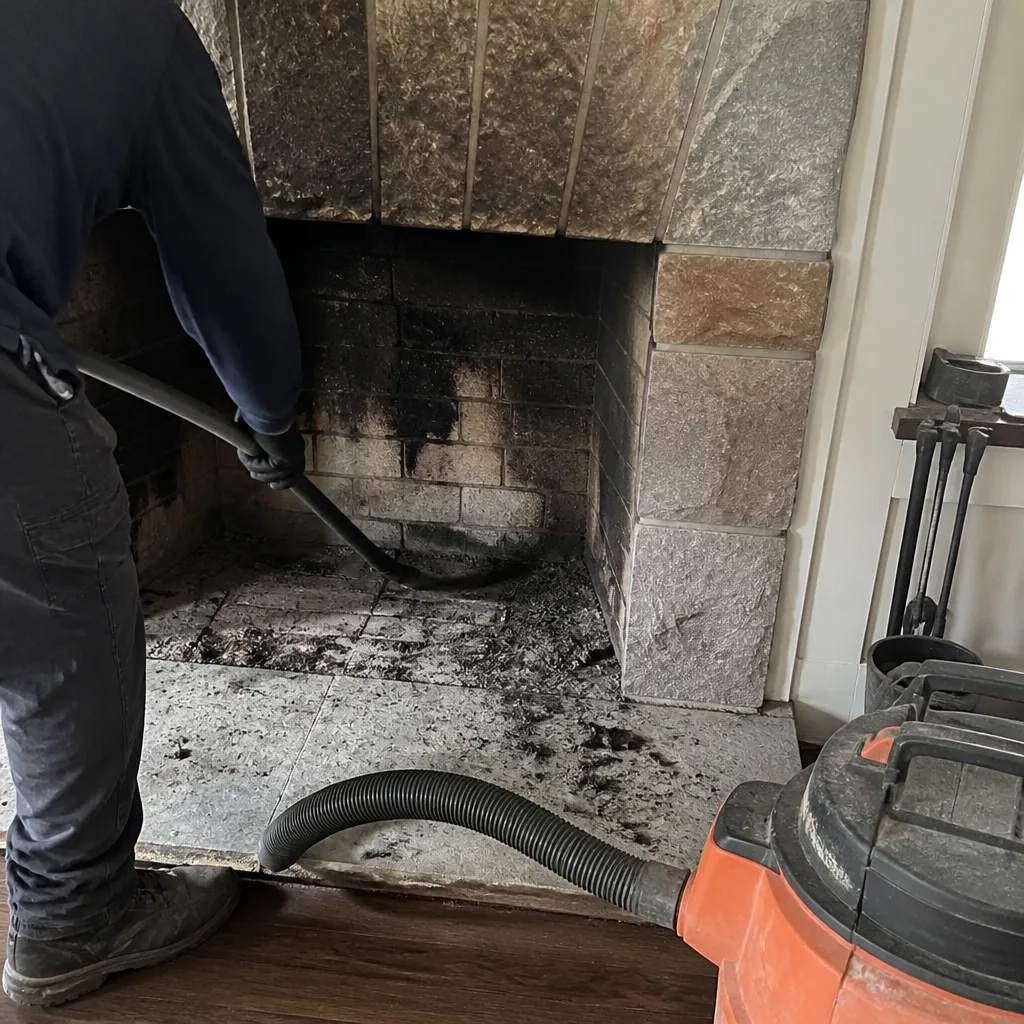 Before
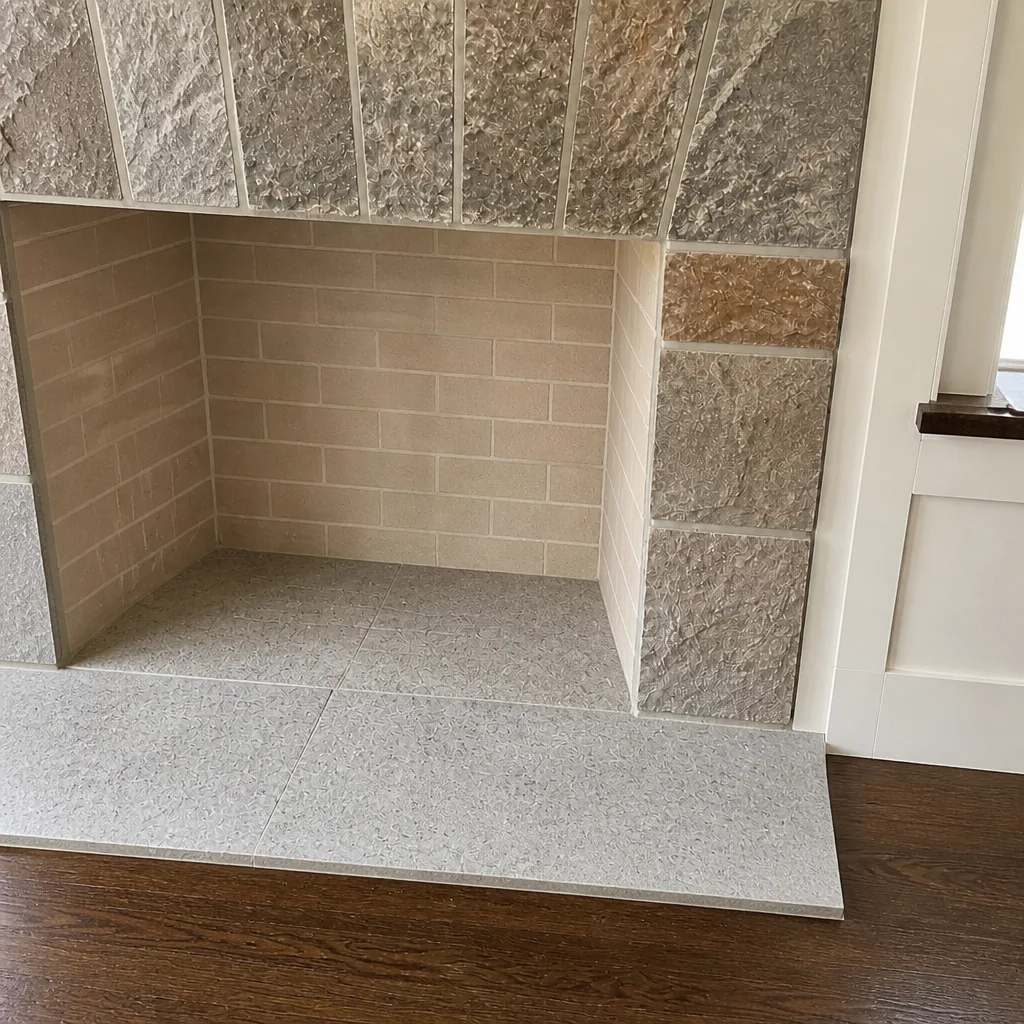 After
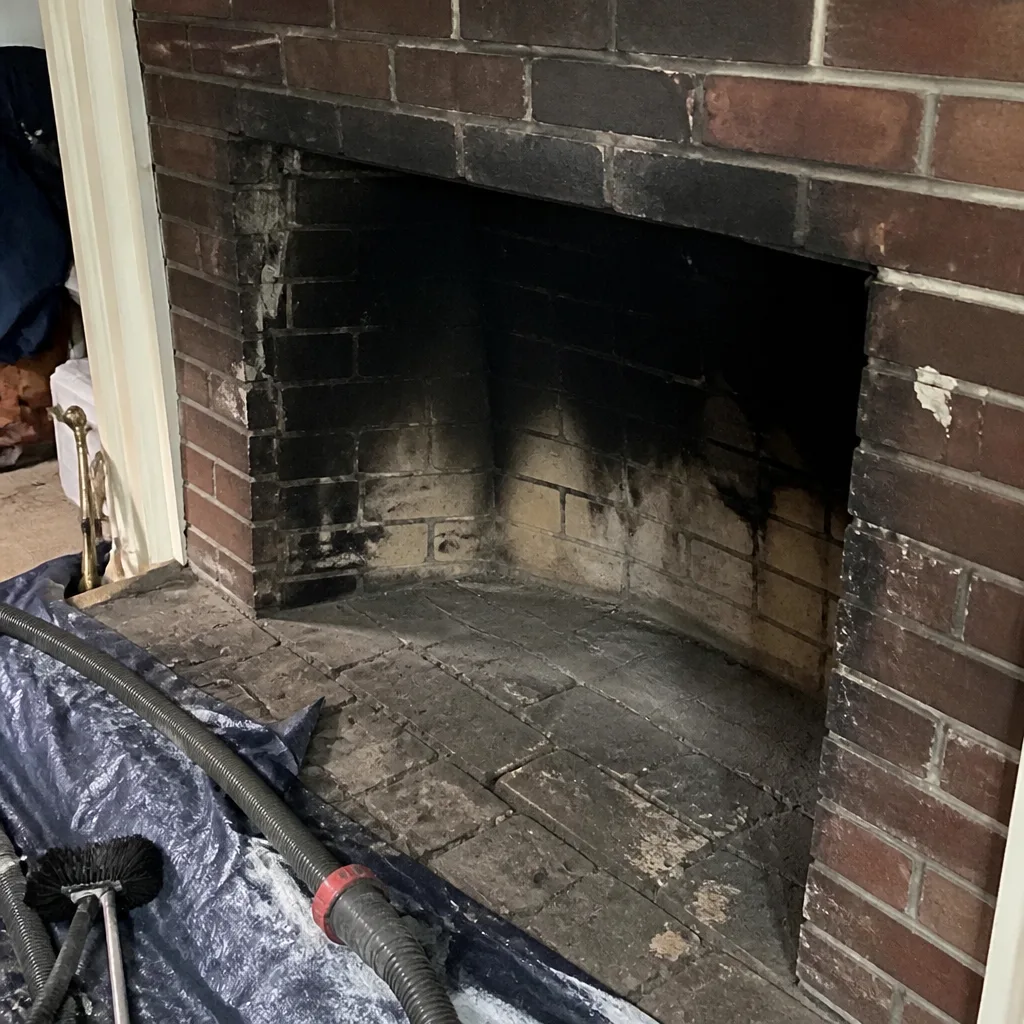 Before
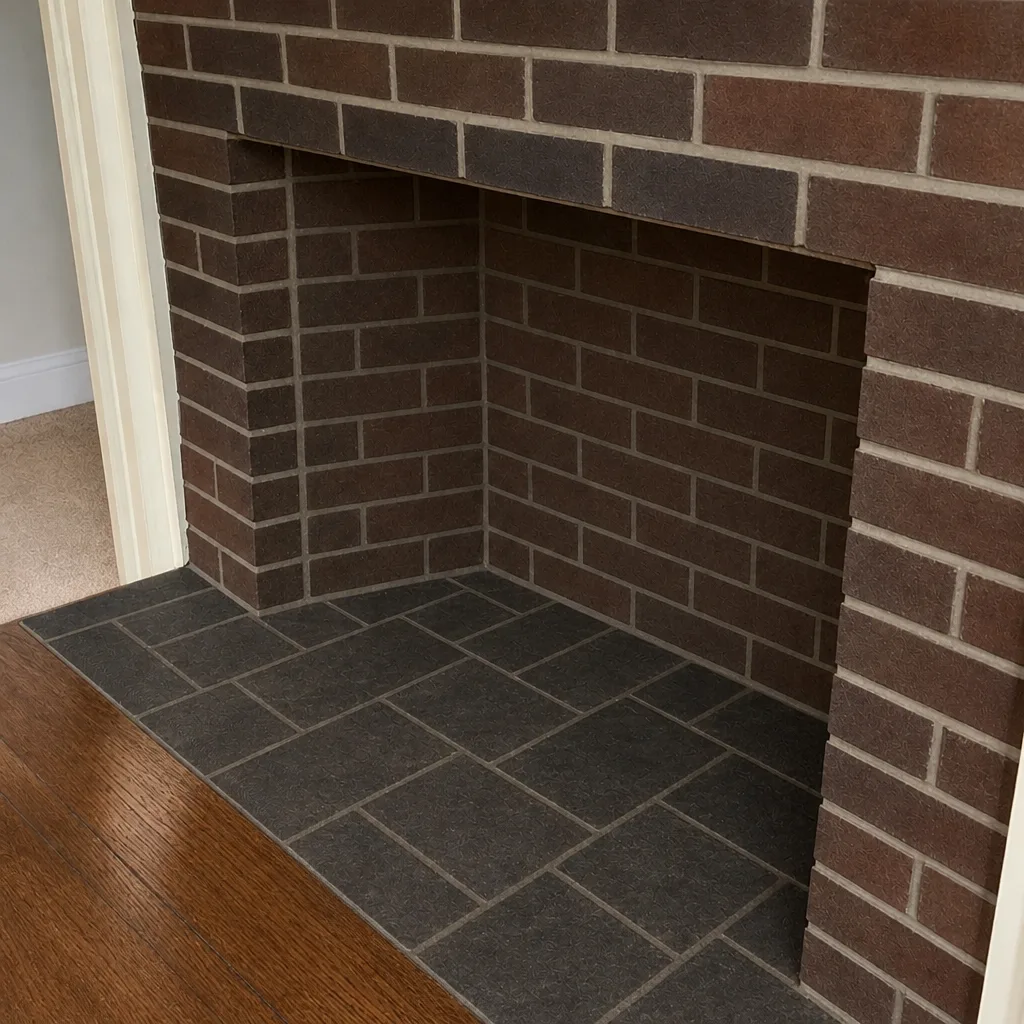 After
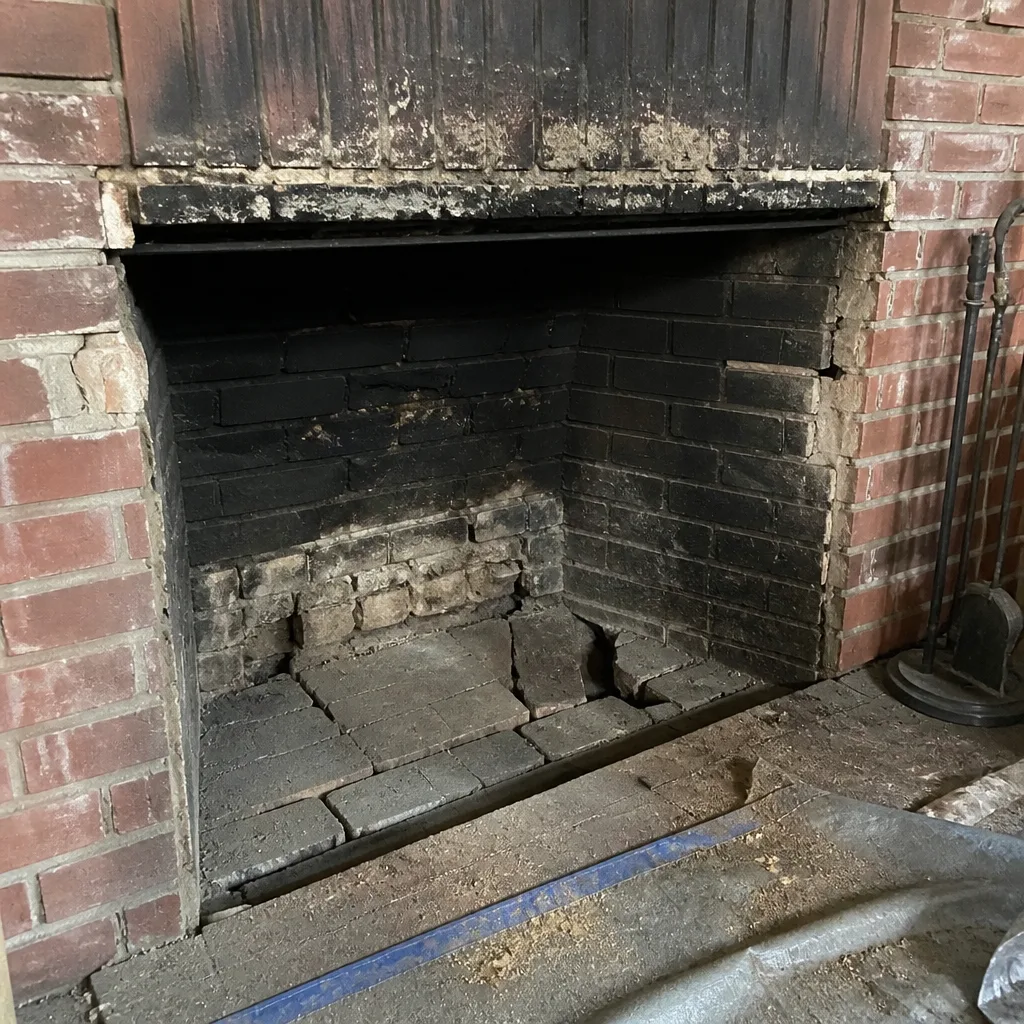 Before
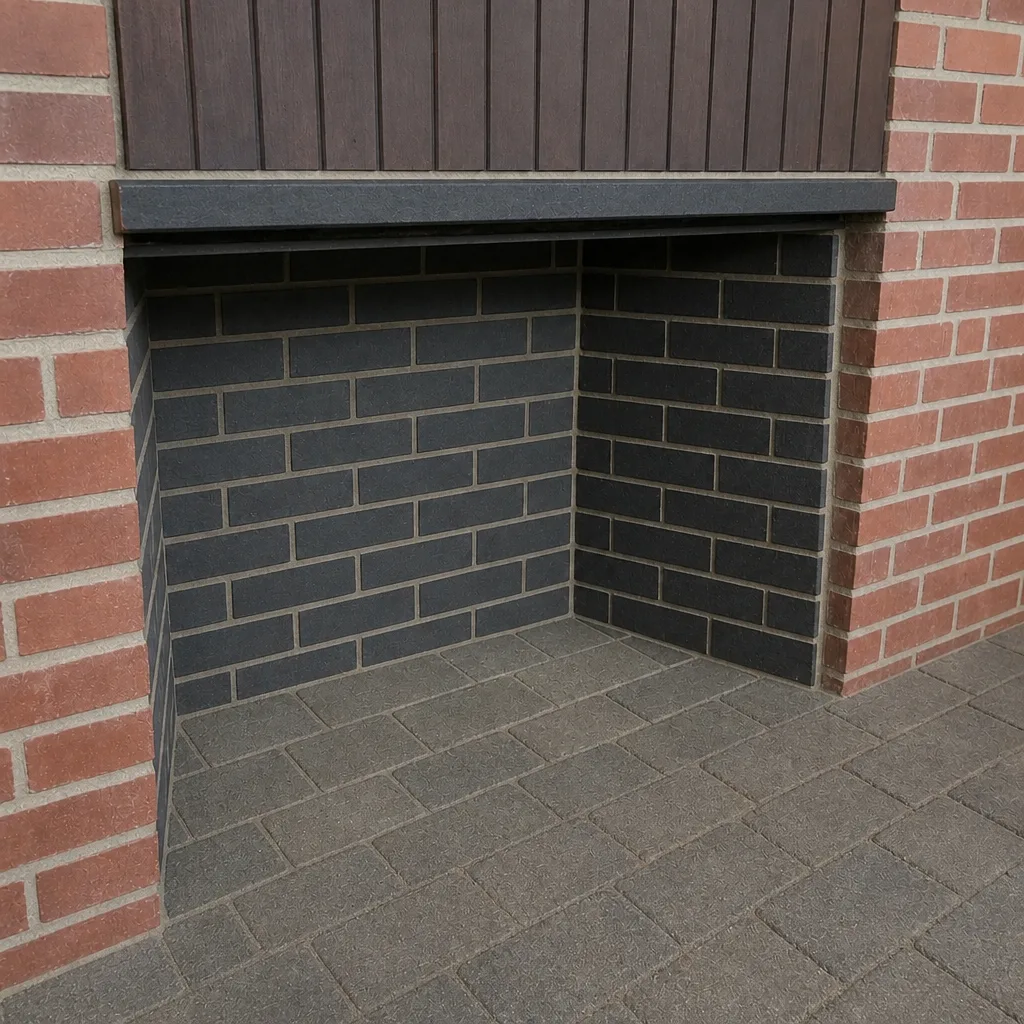 After
Frequently Asked Questions
Sweep and inspect at least once a year if you burn wood, and more often if you burn daily through the winter. Pelham Bay households that burn hard from November through March should expect a closer look at the flue liner and smoke chamber every season. Gas and oil flues still need an annual inspection even though they don’t build creosote. Call (877) 820-9084 for an exact quote; estimates are free.
You can safely check the cap, the visible crown, smoke staining, and white staining from the ground or the hearth. The flue liner, smoke chamber, and firebox interior need a trained technician with a camera. Roof-height checks aren’t a homeowner item. Call (877) 820-9084 when you’re ready for the professional side.
Not necessarily. A cracked or deteriorated liner is a serious problem that needs to be addressed, but a full reline isn’t always the only path. HeatShield ceramic resurfacing can often restore liner integrity without a full demolition relining, and a flexible DuraFlex liner can navigate offset flues that a rigid liner can’t. The answer depends on what a camera inspection actually shows. Call (877) 820-9084 for a free estimate and ask to see the camera images before any work is recommended.
Creosote builds up in the flue and can ignite, and a breached liner can let smoke and carbon monoxide into the house instead of up the chimney. Water can get in through a cracked crown and soften the mortar and the firebox. Most of that damage is silent until it’s serious. Call (877) 820-9084 to get on a schedule; estimates are free.
A warped or corroded damper plate doesn’t seat flush, so it degrades the draft on every fire and leaks conditioned air out of the house all year. It’s the most-touched part of the chimney and the least-inspected, which is why it’s often ignored until the fire itself starts smoking. Have it checked at every annual inspection. Call (877) 820-9084 with questions.
A small, stable crown crack can often be monitored and repaired before winter without urgent risk, but a crack that’s widening or has opened into a gap needs repair promptly. In this climate, freeze-thaw cycles widen cracks quickly once water gets in. Get it documented with a photo each year so you can see the trend. Call (877) 820-9084 for a free estimate; we’ll tell you honestly whether it can wait.
What about the cap?
A fitted cap is a first-line defense. It keeps rain, birds, and squirrels out of the flue and keeps heat in. A torn screen or a missing cap should be repaired promptly. See our chimney cap & crown page for what cap and crown work covers. Call (877) 820-9084 to schedule an inspection.
We use professional-tier lines including DuraFlex for flexible liner systems, HeatShield for ceramic flue resurfacing, and Olympia Chimney for venting components. Gelco and Famco parts go into cap and venting work. These are the manufacturer lines chimney professionals specify, not hardware-store substitutes. Call (877) 820-9084 to talk through what your chimney needs.
The Bottom Line
A chimney maintenance checklist works when it treats the chimney as one connected system. Check all seven components: crown, cap, flashing, damper, smoke chamber, flue liner, and firebox. Handle the safe visual checks yourself each season, and let a technician with a camera handle the liner, smoke chamber, and firebox interior. Match your sweep and inspection schedule to how often you actually burn. Document condition year over year with photos and camera reports so you can see deterioration before it becomes a repair. In Pelham Bay’s brick-and-mortar homes, an intact crown and cap keep moisture out and heat in, and the flue liner is what keeps smoke and carbon monoxide where they belong. Call (877) 820-9084 for a free estimate. We answer 24/7. Fast dispatch from 7am to 7pm, Sunday through Friday.
Written by the team at Chimney Sweep Pelham Bay.