
Last updated November 25, 2026
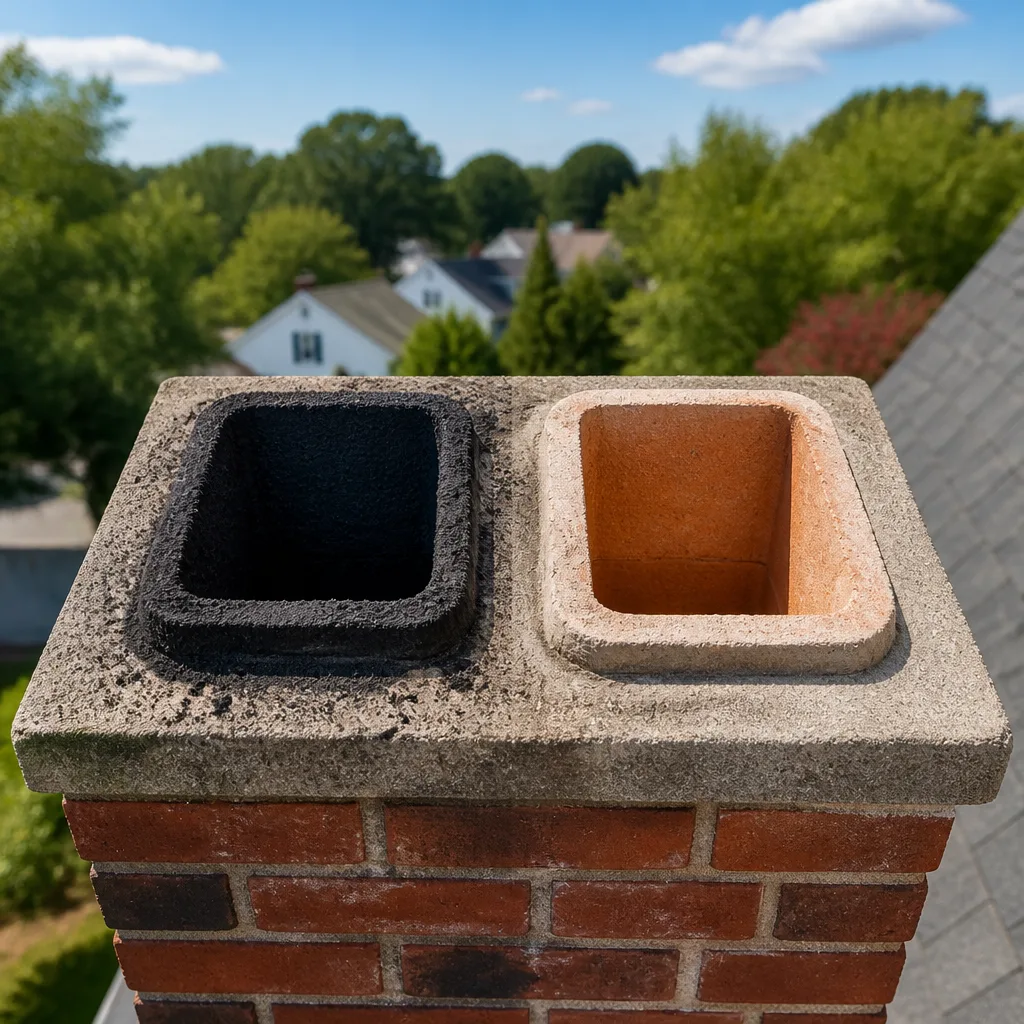 Sweep & inspection
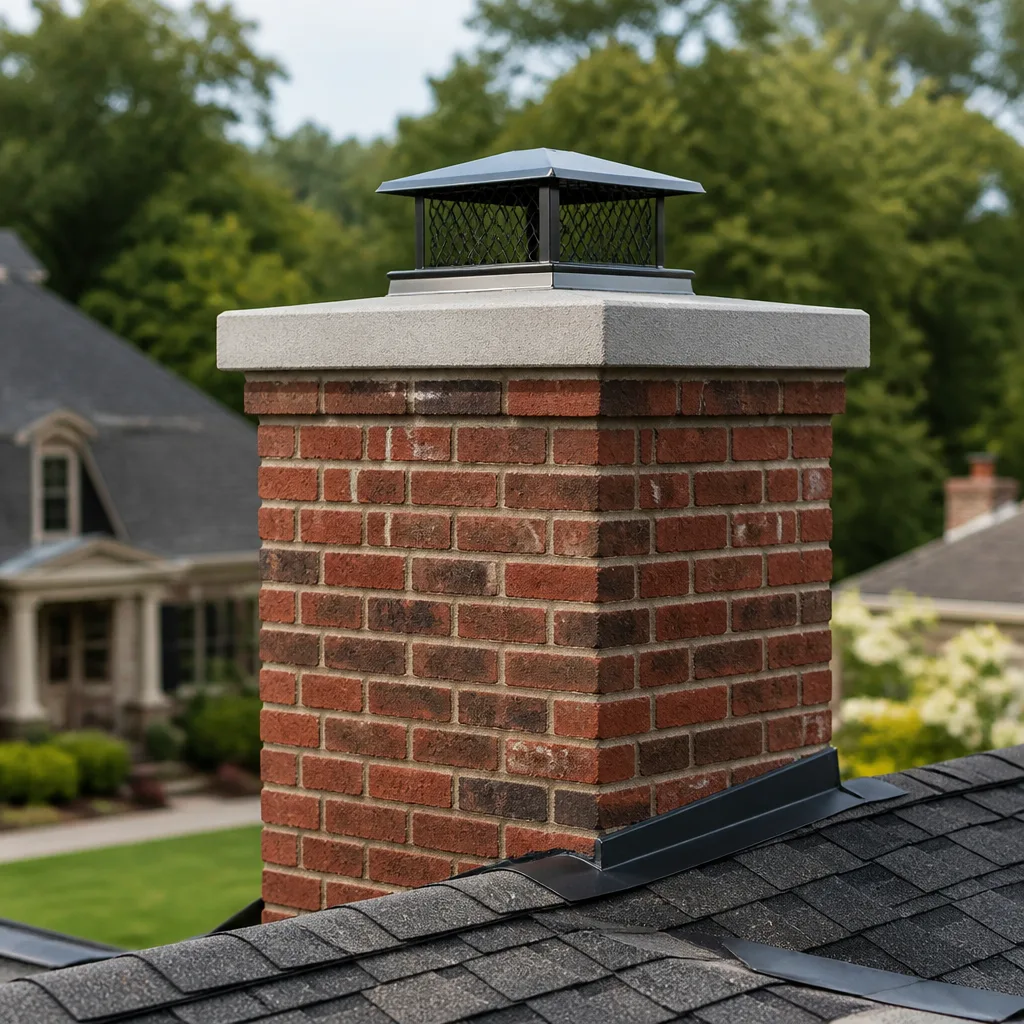 Caps & crowns
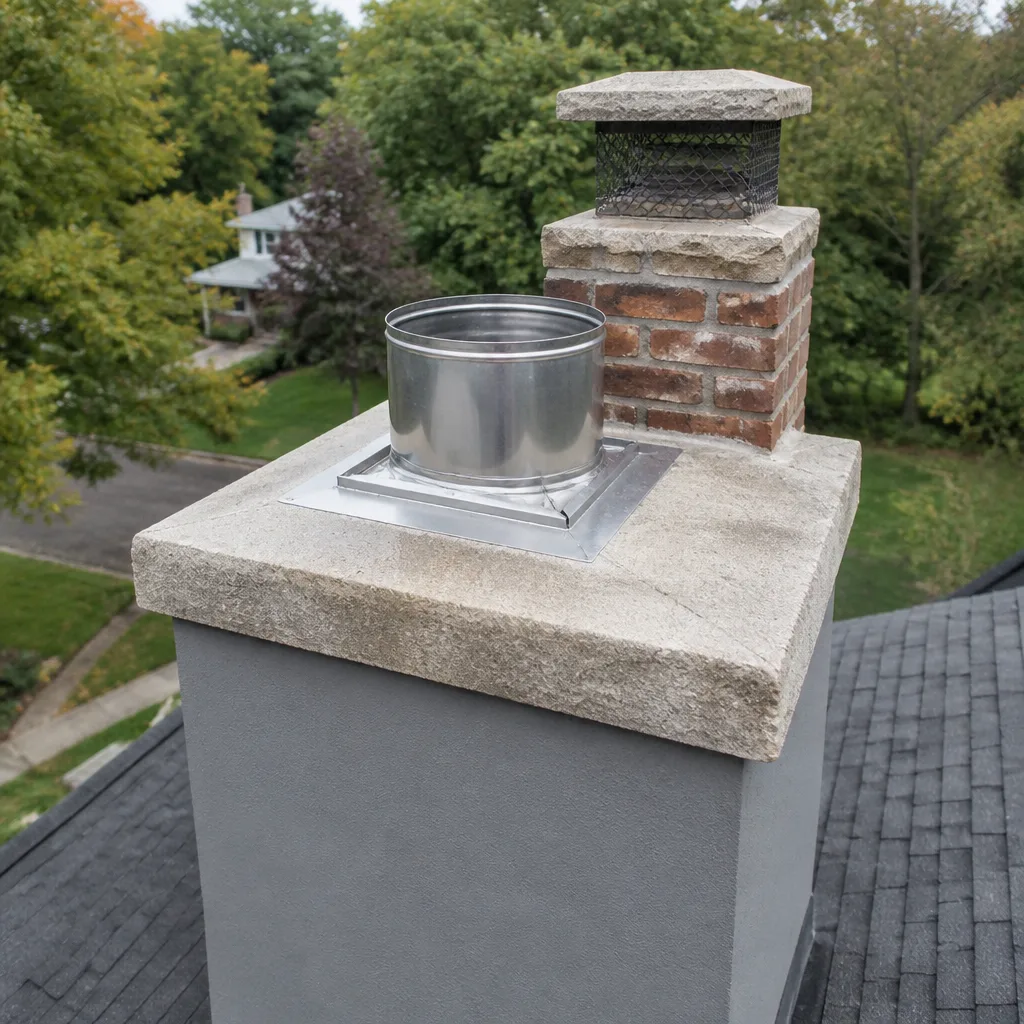 Flue relining
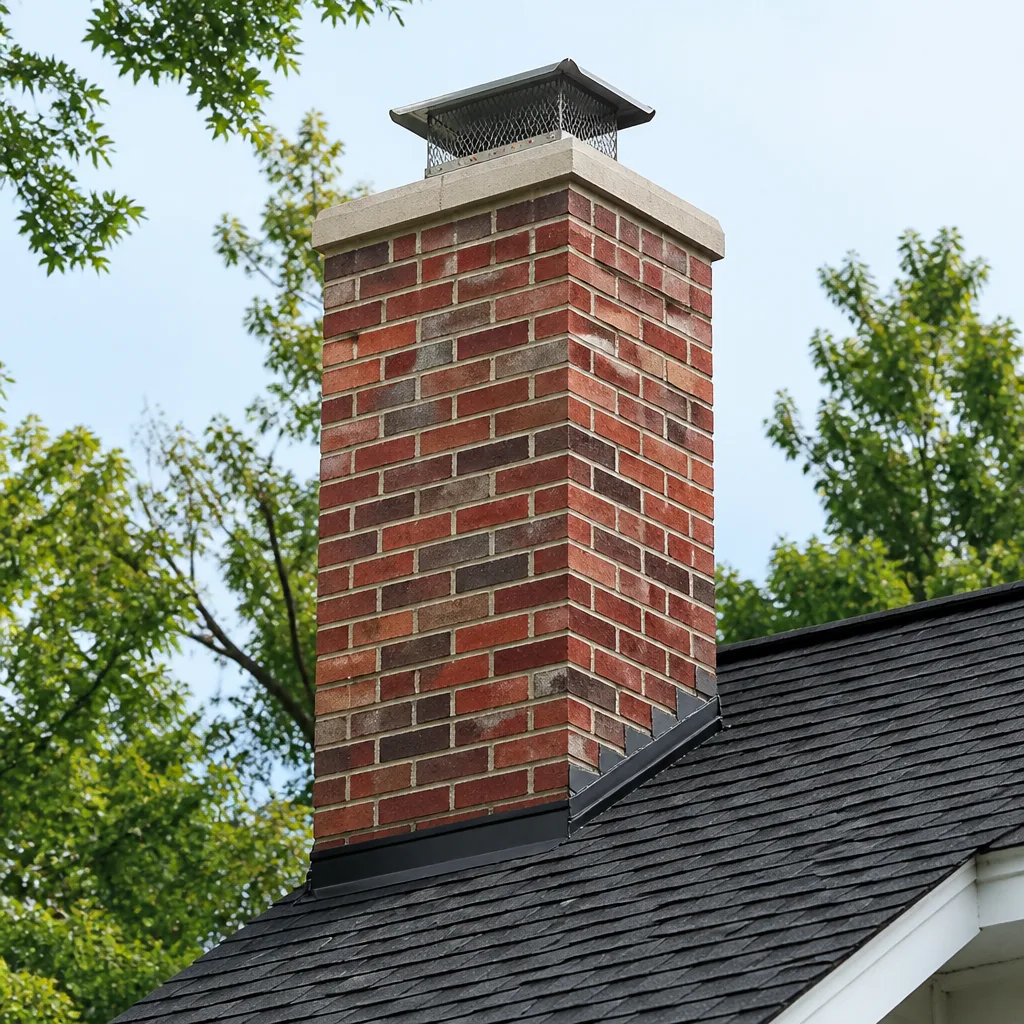 Masonry repair
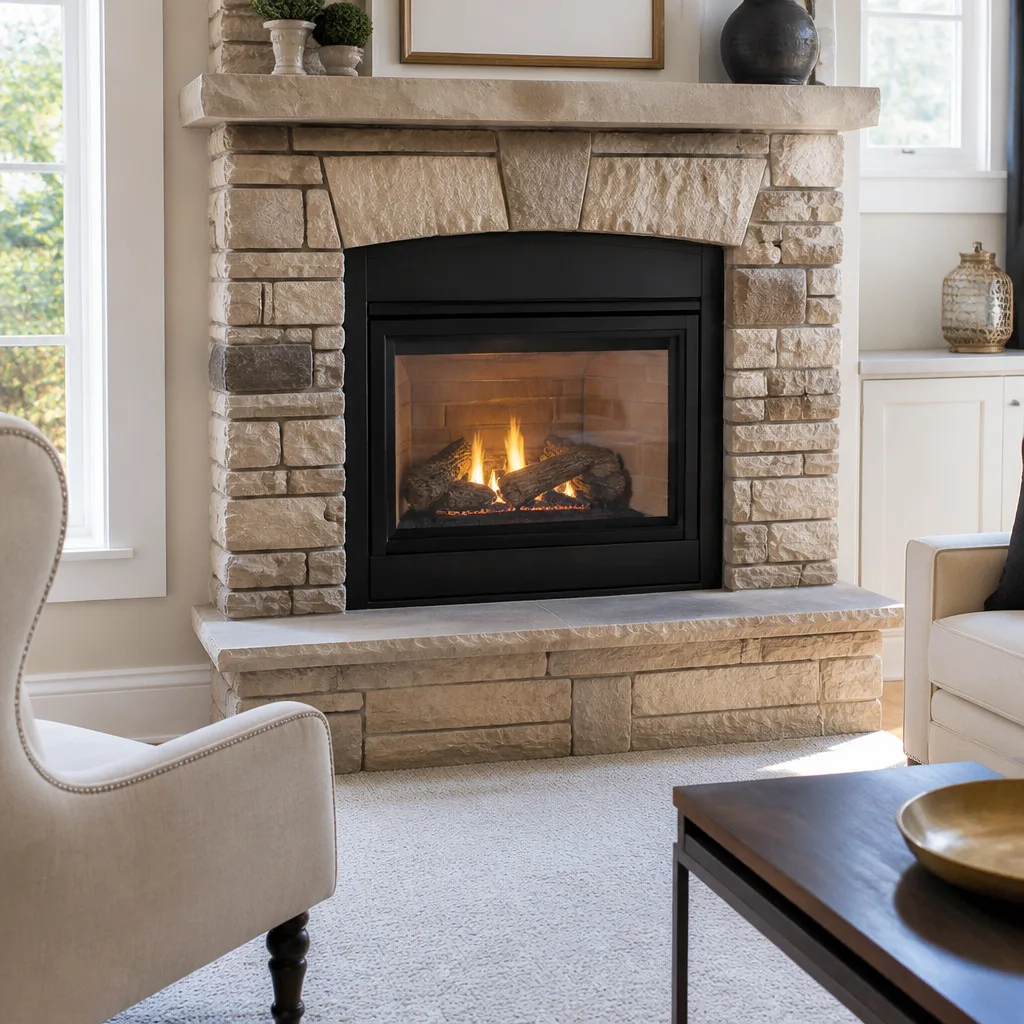 Gas fireplace service
Level 1 sweep and inspection to the NFPA 211 annual standard - flue, crown, cap, and flashing checked and photographed
Chimney sweep logs do not sweep chimneys. They loosen some creosote - which then falls where a brush and vacuum still have to collect it.
Chimney Sweep Troubleshooting in Pelham Bay: Common Problems and How to Fix Them
Most homeowners blame the damper when smoke rolls into the room. It rarely is. In our experience the damper is usually doing exactly what it was built to do, and the real failure sits somewhere else in the system – a flue that’s undersized for the firebox opening, a pressure imbalance the house creates, or a liner that lost its seal years ago. Pelham Bay has a lot of pre-1960 masonry chimneys, and those chimneys fail in predictable patterns once the mortar and flue lining start to age. This guide maps each symptom you’re likely to notice to the structural or airflow problem behind it, so you can describe what’s actually happening before anyone arrives with a truck and a ladder.
Quick Answer
The most common chimney problems in Pelham Bay are smoke backdraft from pressure imbalance or an undersized flue, creosote odor in warm weather from a flue that wasn’t fully cleaned, slow draw from a blocked or partially collapsed flue, water intrusion from a failed crown or missing cap, and spalling brick from freeze-thaw cycles. Diagnosing which one you have means tracing the system from firebox to crown instead of guessing at the visible part. Every fix starts with a camera inspection that gives you evidence you can see for yourself.
Styles & brands we work with
- Sweep & inspection
- Caps & crowns
- Flue relining
- Masonry repair
- Gas fireplace service
Table of Contents
- Symptom to Cause: Mapping Your Chimney Problem
- Why Smoke Pours Into the Room When the Wind Picks Up
- The Creosote Smell You Notice in Summer
- How Pre-1960 Housing in Pelham Bay Fails Differently
- A Draft Problem You Can Fix vs. One That Needs Resizing
- Why a Clean Chimney Can Still Fail Inspection
- What’s Safe to Watch vs. What Needs a Call Now
- Cap, Crown, and Water Problems That Cause Most Damage
Symptom to Cause: Mapping Your Chimney Problem
Every chimney symptom belongs to one of three categories: airflow, structural, or moisture. Getting the category right narrows the list of possible causes before anyone climbs onto the roof. Here’s how we sort them, and it’s the same sorting we walk through on every call to Chimney Sweep Pelham Bay.
- Airflow symptoms – smoke rolling into the room, weak-draft fires that smolder, ash blowing into the house, cold air pouring down the flue when the fireplace is off. These point to pressure imbalance, an oversized firebox opening, a blocked flue, or the wrong cap geometry.
- Structural symptoms – cracked flue tiles, crumbling mortar joints, spalling brick on the exterior stack, a firebox wall that has lost its firebrick face. These point to heat damage, water damage, or simply age.
- Moisture symptoms – water in the firebox after rain, damp masonry above the roofline, white chalky staining on the brick exterior, a rusted damper. These almost always point to the cap and the crown.
The reason this matters: a homeowner who calls about “smoke coming in” and a homeowner who calls about “crumbling brick” might need very different technician time on the roof. Getting the category right saves you from paying to chase the wrong component. A chimney that spalls brick on the outside may have a perfectly sealed flue inside, and a chimney that draws perfectly might have a liner that’s unsafe for use. Two separate diagnoses.
One correction to something we hear often: the damper is rarely the culprit. Dampers stick or rust, but a damper that opens flat and closes flat is doing its job. When smoke gets around it, the cause is almost always downstream of the damper, in the flue or at the top of the stack.
Why Smoke Pours Into the Room When the Wind Picks Up
If your fireplace smokes only when the wind comes from the northeast, the problem is probably not the chimney at all – it’s the pressure relationship between the house and the outside air. When the wind hits one face of the house, it pressurizes the upwind rooms and draws air out of the downwind side. The chimney is a hole in the downwind side. If the fire doesn’t have enough draft to overcome the pressure pushing down the flue, smoke goes where the pressure sends it, which is into the room.
We trace three suspects when negative pressure is the cause:
- The flue is undersized. A flue needs to be sized correctly for the fireplace opening. A firebox opening that’s too wide for the flue it vents through will not draft reliably no matter what the wind does. The fix is to bring the opening and the flue into proportion, often with a smoke guard or a proper liner.
- The house is tight. Newer windows and added insulation make a house more airtight, and a tight house pulls its combustion air from somewhere. If the only place it can pull from is down the flue, the fire fights the draft and loses. Cracking a window near the fireplace proves the point – if smoking stops, you have a pressure problem, and a vented outside-air supply is the fix.
- The cap is wrong. A cap with the wrong wind geometry can act as a sail and force air down the flue. Comparing cap designs is one of the most common remedies we apply, and the correct cap depends on the flue size and the prevailing wind.
The test is worth doing before you call. Close the doors and windows, light the fire, and see if there’s smoke. Then crack a window in the same room and try again. If the smoking stops with the window cracked, you have a pressure problem. If it doesn’t, you probably have a flue geometry problem, either a mismatched size or an obstruction. Either way, the answer isn’t a new damper. It’s a look at the whole system from the firebox up.
The Creosote Smell You Notice in Summer
That acrid, tar-like smell that shows up in July is creosote, and warmth brings it out. When the chimney gets warm in summer, the deposits left on the flue wall release volatile compounds, and those compounds travel down the stack into the house if the flue isn’t sealed at the top and bottom. It’s not dangerous on its own, but it means deposits are thick enough to volatilize, and that says something about the last burn season.
The important distinction is creosote stage. Creosote builds up in passes, and the stages matter:
- Stage 1 – light soot and flaky deposits that brush off easily. Routine sweeping handles this.
- Stage 2 – a harder, tar-like deposit that needs more than a brush. Specific glazed sections may need extra attention during the sweep.
- Stage 3 – a glazed, hardened layer that has essentially baked onto the flue wall. At stage 3, brushing alone won’t remove it, and the flue may need resurfacing such as a HeatShield ceramic application or a new liner, because the deposit bonds to and can damage the liner surface underneath.
This is the diagnostic reason a summer smell matters. A quick brush sweep in spring might have left the deposits at stage 2 intact, and you won’t notice until next winter when they ignite. If your chimney smells like motor oil or campfire ash in warm weather, ask for a camera inspection, not just a sweep. Any chimney sweep in Pelham Bay that can’t tell you the creosote stage after the work is done hasn’t given you a full picture.
How Pre-1960 Housing in Pelham Bay Fails Differently
Pelham Bay has a lot of masonry chimneys from before 1960, and they fail in patterns you don’t see in newer construction. The difference is that older chimneys were built from solid brick laid with lime-based mortar, and the flue itself was originally lined with clay tile that was often installed in short lengths with mortar joints between them. That construction was fine when it was new. Decades of heating and cooling cycles change things.
The patterns we see in pre-1960 homes here:
- Failed tile joints. The mortar joints between flue tiles were the first place to give out. Once a joint fails, hot gases and moisture can reach the surrounding masonry and the wood frame behind it. This is why a “fully lined” old chimney isn’t automatically a safe one.
- Spalling from freeze-thaw. Pelham Bay winters cycle water in and out of brick dozens of times per season. Water gets into the brick face, freezes, expands, and pops off a piece of the face. Once spalling starts, it accelerates, because the newly exposed surface absorbs more water than the outer skin did.
- Oversized fireboxes. A lot of pre-1960 fireplaces here have grand, wide openings that were meant to draw big fires. Those openings are the worst case for draft, because they need a much larger flue than the same chimney has today.
- Offset flues. Older chimneys often jog around a structural element, and those offsets collect soot and are hard to brush. This is exactly where a flexible liner like DuraFlex is useful, because it follows the jog rather than stopping at it.
The takeaway for homeowners in Pelham Bay: a 1940s chimney is often still sound masonry with a compromised flue, not a chimney that needs rebuilding. Getting the flue right is usually the work that matters.
A Draft Problem You Can Fix vs. One That Needs Resizing
Not every draft problem needs a technician. The window-crack test tells you which category you’re in. If the fire draws well with a window cracked near the fireplace and smokes without one, the chimney is fine and the house needs combustion air. That’s a house pressure fix, not a flue fix.
If the fire smokes with the window cracked and with the window closed, the flue itself is compromised, and there are three common causes:
- Undersized flue. The flue is too small for the fireplace opening. The rule professionals use is that the flue should be sized proportionally to the opening; too wide an opening over too small a flue, and the fire will never draft reliably. The fix is a properly sized liner, or a smoke guard that narrows the opening to match the flue.
- Blocked or partially blocked flue. A bird nest, a collapsed tile, or a broken damper can obstruct the flue path. This is one of the most common causes in homes that sit empty for a season, because animals get in through an uncapped flue. Camera inspection finds it instantly.
- Too tall a chimney above the ridge. Occasionally a chimney extends so far above the roofline that the flue gas cools before it exits. Cooler gas doesn’t rise as fast, and the draft weakens. That usually calls for an insulated liner rather than a taller chimney.
Which one you have depends on measurements, not on guesswork. That’s why every diagnostic call starts with the firebox dimensions, the flue size, and a camera pass. If you’ve already tested with a window and it didn’t fix the smoking, the flue needs a look. Call (877) 820-9084. We answer 24/7. Fast dispatch from 7am to 7pm, Sunday through Friday.
Why a Clean Chimney Can Still Fail Inspection
Cleaning and inspection are two separate answers to two separate questions. A sweep answers “is there enough creosote in the flue to worry about fire?” An inspection answers “is the flue structurally sound and correctly sized?” A chimney can pass the cleaning test with flying colors and fail the structural test on the same visit.
This is one of the most common surprises for homeowners. They had the chimney swept every year by a sweep service, the fire burned well, and then a camera inspection found cracked tiles behind what looked like a clean flue. The creosote was gone; the liner had been damaged by years of small stress cycles. Cleaning doesn’t repair the lining, and a brush sweep can’t see the damage because the sweep operator is working from the bottom with a rod and a brush, not a camera.
That’s the reason we treat inspection as a full-system diagnosis. On one visit, we examine:
- The flue from the top down with a camera, recording the condition and any defects
- The firebox, firebrick face, and damper
- The smoke chamber and the transition between the firebox and flue
- The crown, the flashing, and the top of the stack
Findings that come out of the inspection connect directly to the repair. A camera pass that shows a failed tile joint leads to a liner decision, either HeatShield resurfacing for a liner that’s still mostly intact or a DuraFlex liner for a flue that needs full replacement. You don’t get handed off to a separate contractor. That’s the practical difference between a chimney sweep and a full-system service.
What’s Safe to Watch vs. What Needs a Call Now
Not every issue is a drop-what-you’re-doing call. Some things can wait for a scheduled visit. Others shouldn’t wait for the next fire. Here’s how we sort them, and this is the guidance we give when someone calls because they’re not sure if it can wait.
Safe to monitor for one heating season:
- A single hairline crack in the outer brick face, no water entry
- Light stage 1 creosote deposits and mild ash smell after a burn
- Occasional smoke on very windy days only, with no other symptoms
- A rusted damper that still opens and closes fully
- Minor spalling on the chimney stack above the roofline, above the flashings
Call before the next fire:
- Smoke pouring into the room on a normal fire, any day, not just windy ones
- Water in the firebox after rain, or damp masonry below the roofline
- Any visible damage inside the firebox – broken firebrick, missing mortar in the firebox walls
- A creosote smell that persists in warm weather
- Cracked or displaced flue tiles seen during an inspection
- Any sound of debris falling when you open the damper
The dividing line is whether you can prove the flue is safe to burn in. If you can’t, we treat it as a call-before-fire situation. What we won’t do is tell you to replace a liner you don’t need – the camera evidence settles that, and you see the same footage we do. If the liner has years of service left, we say so plainly.
Cap, Crown, and Water Problems That Cause Most Damage
Water does more damage to a chimney than fire does. A chimney that sees a few fires a week can take decades of heat, but a chimney that gets wet every time it rains is being attacked on every storm. That’s why we treat the cap and crown as first-line defense services rather than optional add-ons.
The three moisture entry points we find most often on Pelham Bay chimneys:
- No cap at all. An uncapped flue takes rain directly. It also takes birds, squirrels, and anything else that finds the hole. A properly fitted cap with a screen solves both problems, and we use Gelco and Olympia Chimney components sized to the flue.
- A cracked crown. The crown is the sloped cap of masonry at the top of the stack. Once it cracks, water gets into the masonry below the roofline and, over freeze-thaw cycles, breaks the brick from the inside. Rebuilding the crown with the right slope and overhang is a permanent fix; caulking a crack is a stopgap.
- Failed flashing at the roofline. The joint where the chimney meets the roof is a common leak point. Water comes down the outside of the masonry and stains the ceiling in the room below, which often looks like a roof leak but isn’t.
Every one of these is a moisture problem, and all three show similar symptoms to the homeowner. A camera inspection from the top down separates them. If your ceiling has a fresh stain after a storm, the chimney cap & crown and the flashing are the first things we check, not the roof.
Common Mistakes to Avoid
- Assuming the damper is the problem. When smoke rolls into the room, the damper is almost never the cause. Testing with a cracked window in the same room tells you in five minutes whether it’s a pressure problem or a flue problem. Guessing sends a homeowner down the wrong repair path.
- Hiring a sweep who can’t tell you the creosote stage. If the sweep finishes and can’t say whether the deposits were stage 1, 2, or 3, you didn’t get a diagnosis. You got a cleaning. The stage determines whether the repair work ends with a brush or continues into resurfacing.
- Caulking a cracked crown instead of rebuilding it. A bead of sealant on a crack will hold for one season and then fail. The crown has to shed water toward the roof, and a crack means the slope has already failed. The rebuild is the fix.
- Running an uncapped flue for a season. An uncapped chimney in Pelham Bay is an open invitation to birds, squirrels, and rain. A cap with a screen costs far less than a flue cleaning after an animal nest and the liner inspection that follows.
- Treating a passing sweep as a passing inspection. Cleaning and structural inspection answer two different questions. A chimney can be free of creosote and still have a failed flue tile joint behind the flue wall.
- Waiting out a smoke problem for the whole heating season. Backdraft that shows up only on northeast-wind days still means something. Small draft problems become large ones when the creosote deposit grows behind the smoke. Monitor the light symptoms; get a look at the structural ones.
- Assuming a pre-1960 chimney needs a rebuild. Most of the 1940s and 1950s masonry chimneys in Pelham Bay have sound brick and a compromised flue. The fix is usually a liner, not a rebuild. Ask specifically whether the brick itself has failed or just the lining.
See the difference
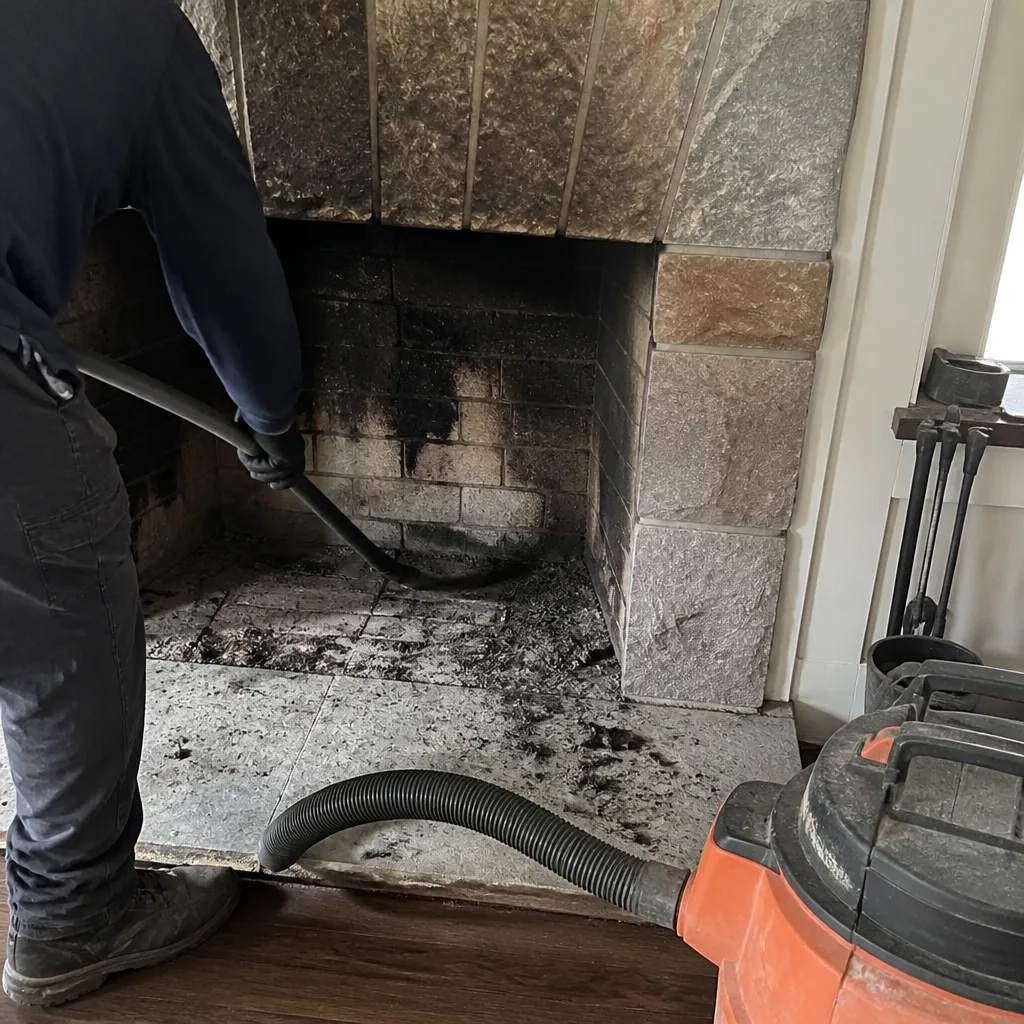 Before
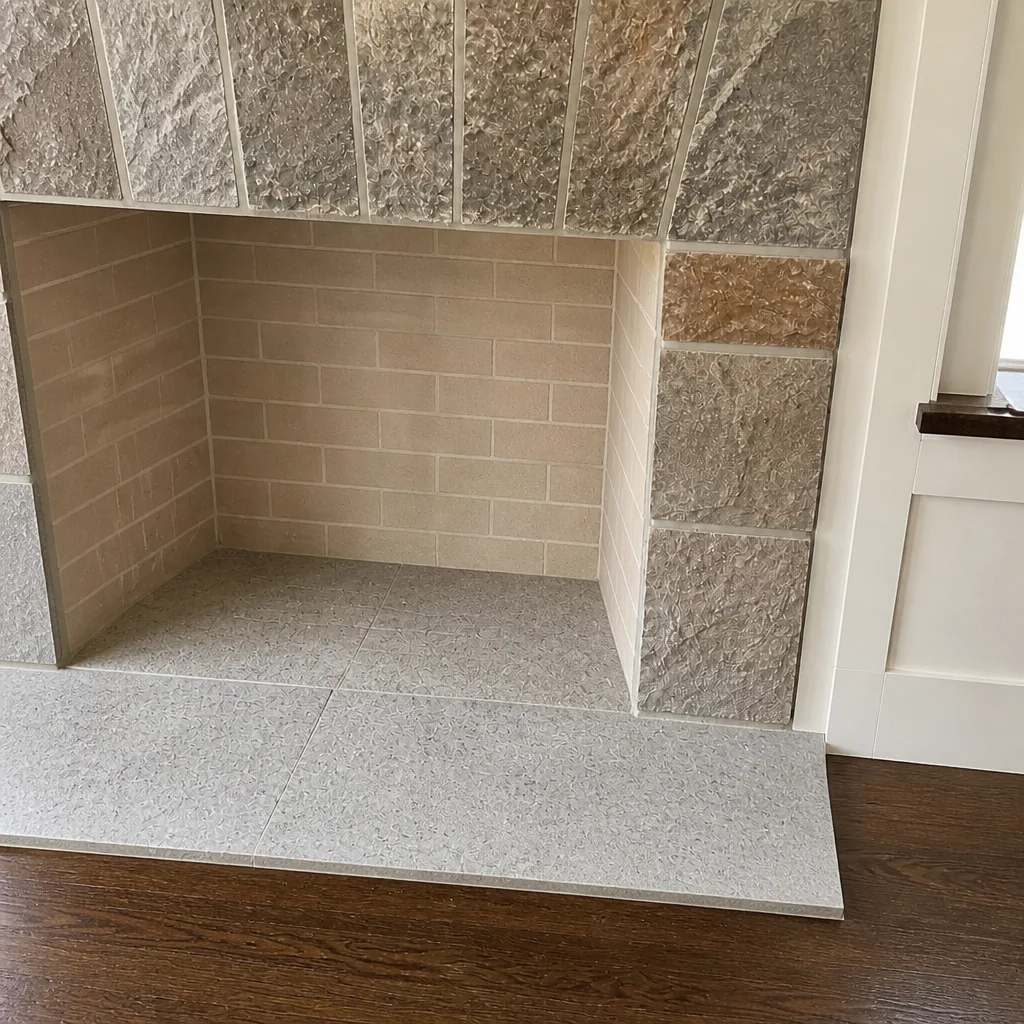 After
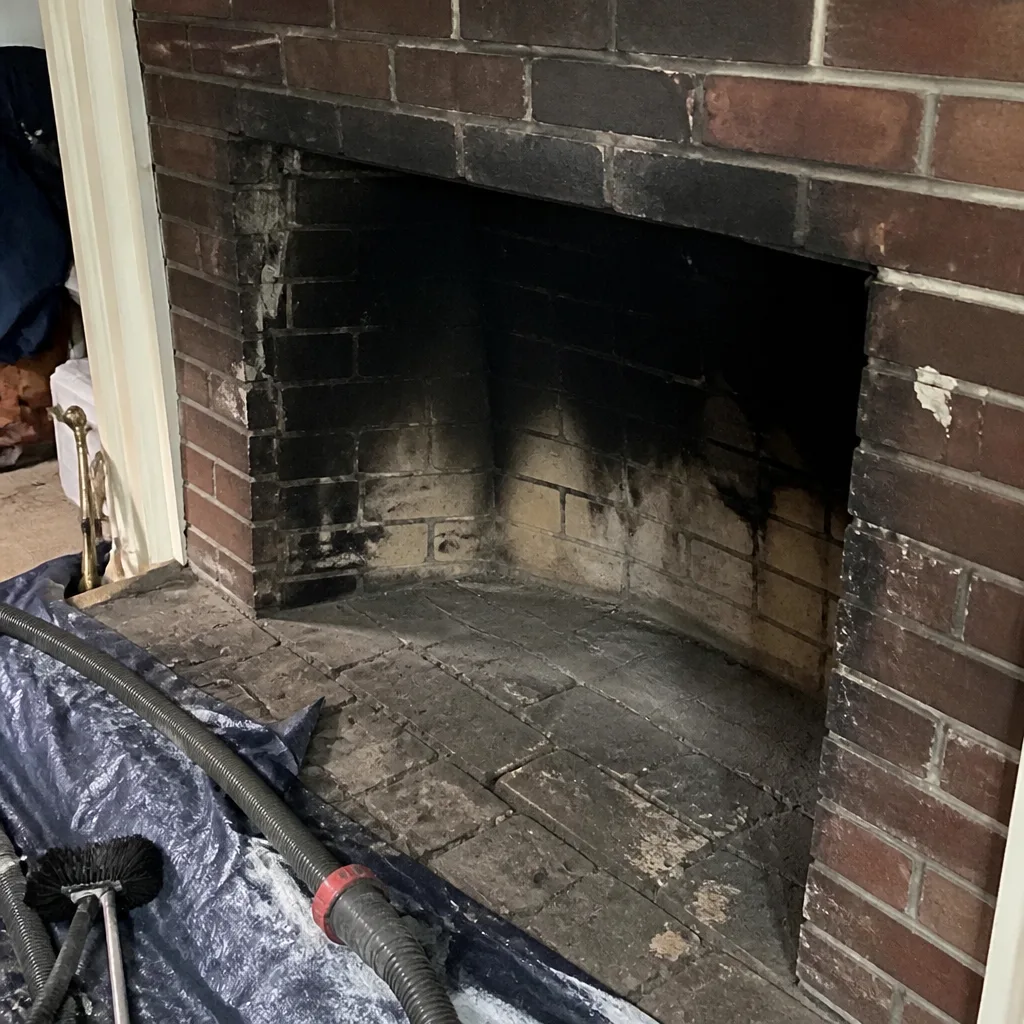 Before
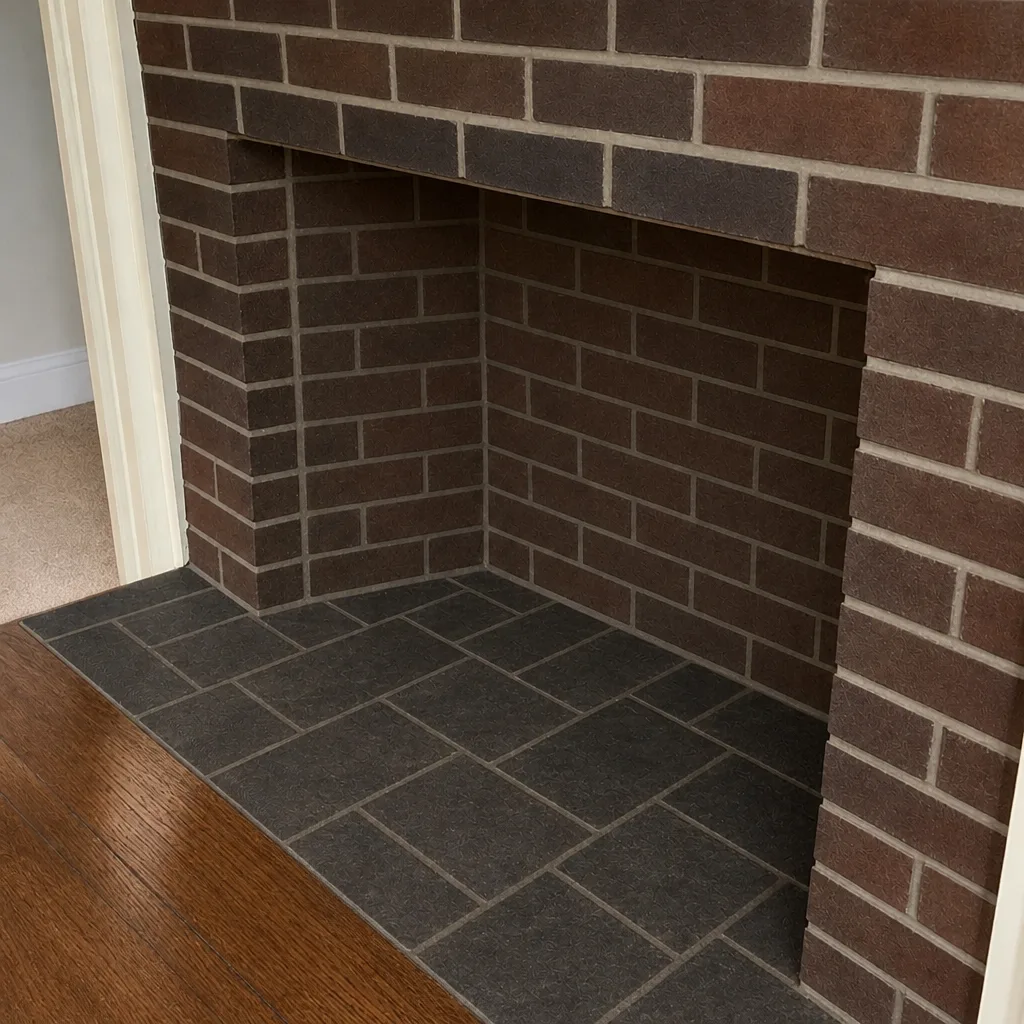 After
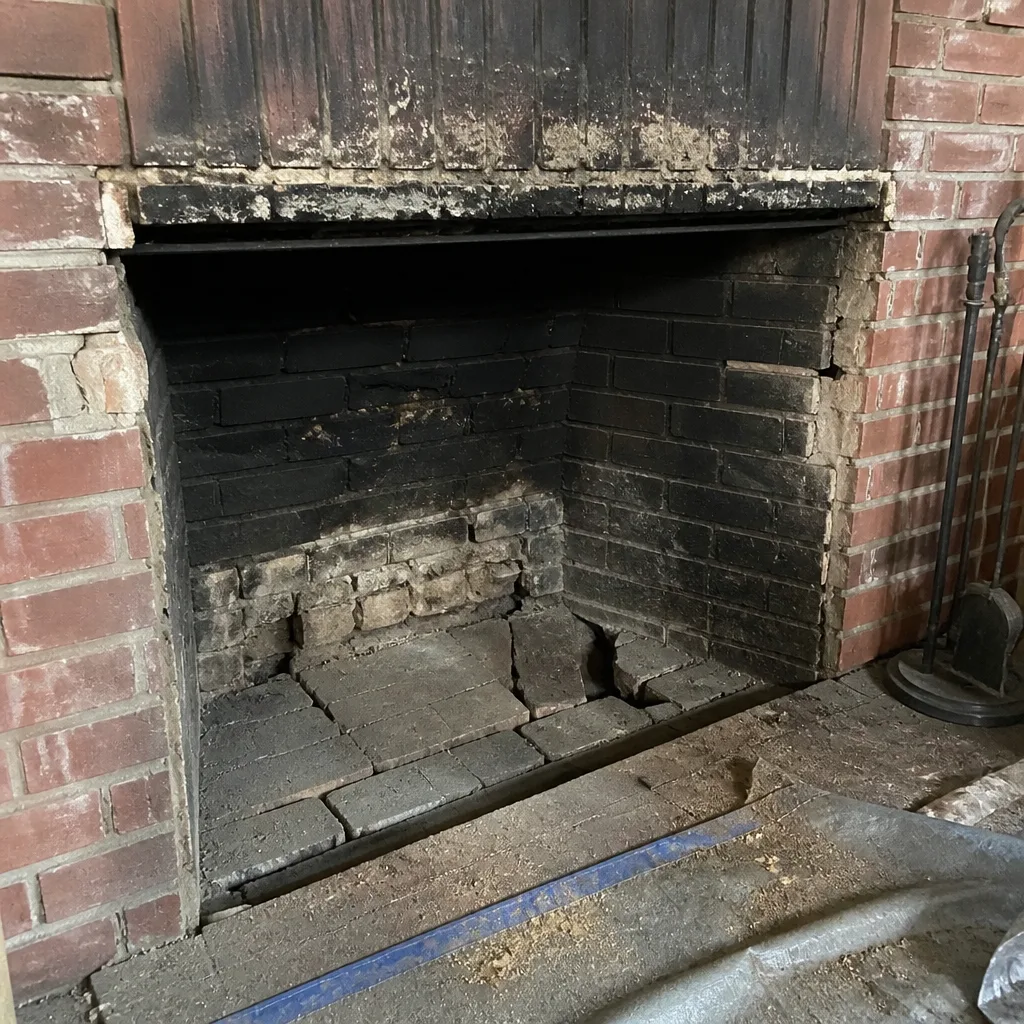 Before
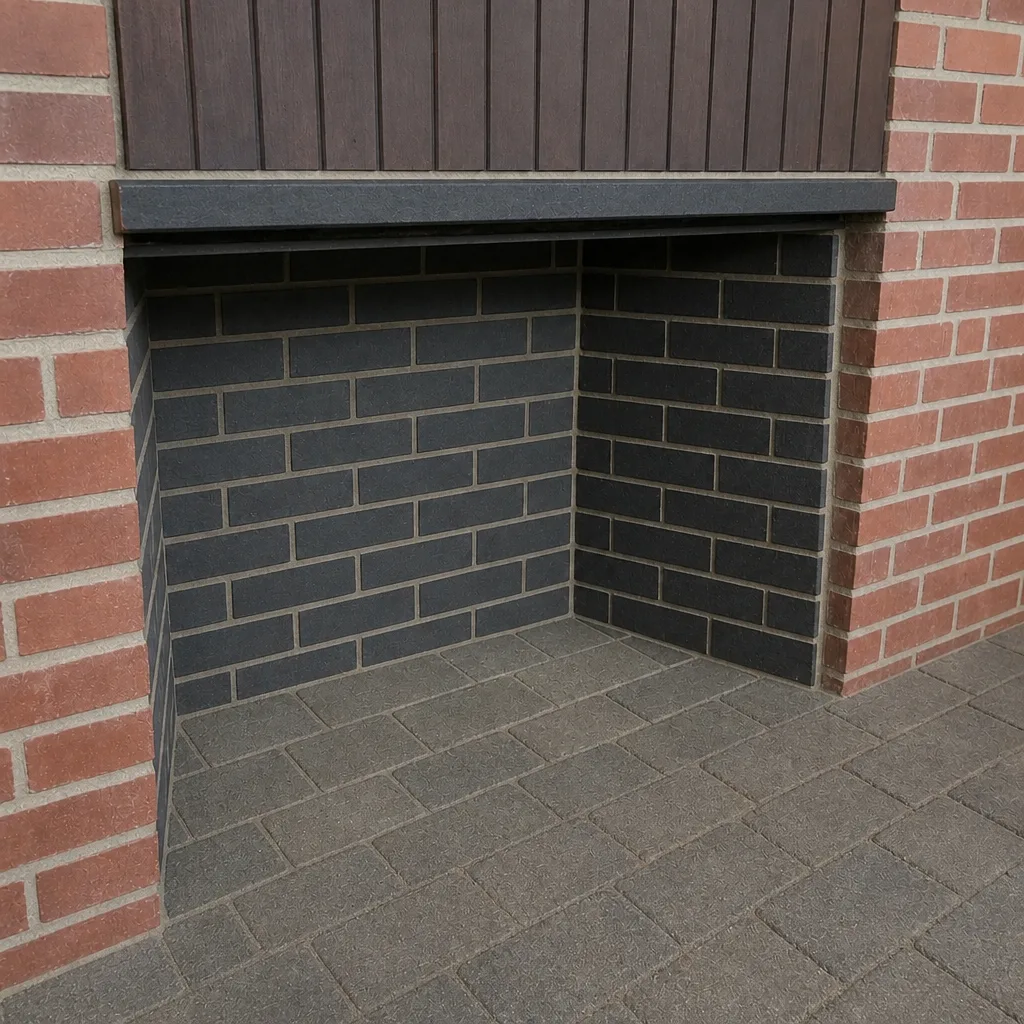 After
When to Call a Professional
There are three situations where the answer is a call, not a monitor: smoke pouring into the room on a normal fire, water in the firebox after a storm, and any visible damage to firebrick or flue tiles. Then there is the fourth category, the one where the homeowner is doing everything right and just wants the annual inspection done properly – the chimney hasn’t been inspected by camera this season, and burning without verifying the flue is a risk not worth taking. Our technicians have up to 15 years of experience tracing exactly these problems from the firebox up, and the camera evidence comes to you before we recommend work. Anyone can connect a homeowner to a chimney repair visit, but the diagnosis matters more than the repair. Chimney Sweep Pelham Bay offers free estimates in Pelham Bay. Call (877) 820-9084. We answer 24/7. Fast dispatch from 7am to 7pm, Sunday through Friday.
Frequently Asked Questions
A standard sweep in Pelham Bay typically runs as a per-job estimate agreed before booking, with a flat price confirmed in writing so you know the number before anyone climbs on the roof. The inspection and photo report are included so you see the flue condition, not just a brush bill. Call (877) 820-9084 for an exact quote – estimates are free.
Not unless the camera footage shows a failed flue – which is why we don’t recommend a liner on a verbal description alone. A flue with cracked tiles, gaps at the joints, or a stage 3 glazed deposit that has bonded to the lining usually needs resurfacing or replacement, and both the HeatShield application and a DuraFlex liner are options we can complete. If the lining is sound, we’ll say so and schedule the next inspection. Ask to see the footage. Call (877) 820-9084 for an exact quote – estimates are free.
A chimney that burns wood regularly should be swept once a year, ideally before the heating season starts, so the creosote deposit doesn’t carry over into a second winter of buildup. A gas or oil flue needs inspection on a similar schedule even though it doesn’t produce creosote, because moisture and flue condition still matter. The one instance where a visit should happen sooner: any smoke, smell, or visible damage symptom that shows up mid-season. Call (877) 820-9084 for an exact quote – estimates are free.
Creosote builds up on the flue wall at a predictable rate, and above stage 2, a deposit can ignite. A chimney fire can crack the flue tiles and leave the surrounding masonry compromised – and the fire department may put it out before you notice the damage, which makes it easy to miss until the next inspection. Carbon monoxide is a separate concern: a blocked or collapsed flue can push exhaust back into the house. Getting the sweep done before the burning season is the cheapest way to avoid both. Call (877) 820-9084 for an exact quote – estimates are free.
Smoking on windy days only, especially with a northeast wind, usually points to pressure imbalance combined with a flue that’s undersized for the firebox, not to a failing damper. The window test settles it: crack a window in the same room and try again. If the smoke stops with the window cracked, you have a pressure problem and adding outside air resolves it. If it doesn’t stop, the flue needs a camera look for a blockage or a size mismatch. Either diagnosis is worth a call before you burn through another season. Call (877) 820-9084 for an exact quote – estimates are free.
Yes, and it’s common – cleaning and structural inspection answer two entirely separate questions. A brush sweep removes creosote, but it can’t see a cracked flue tile behind the flue wall. A chimney can pass the cleaning test on one visit and fail the structural test on the same visit, which is why a camera inspection with a photo report has to accompany the sweep, not replace it. Call (877) 820-9084 for an exact quote – estimates are free.
The Bottom Line
Chimney problems fall into three categories – airflow, structural, and moisture – and diagnosing the right category is most of the work. Backdraft from wind is a pressure problem until proven otherwise; the window test tells you in five minutes. A creosote smell in summer says the deposit is at a stage worth inspecting, not just sweeping. A clean flue can still fail inspection, because cleaning and structural soundness are separate answers. Pre-1960 masonry in Pelham Bay usually needs a flue fix rather than a rebuild, and the crown and cap defend against the water damage that quietly destroys more chimneys than fire does. Every repair should start with camera evidence you can see yourself, and the written estimate sets the final price. Call (877) 820-9084. We answer 24/7. Fast dispatch from 7am to 7pm, Sunday through Friday.
Written by the team at Chimney Sweep Pelham Bay.