
Last updated November 25, 2026
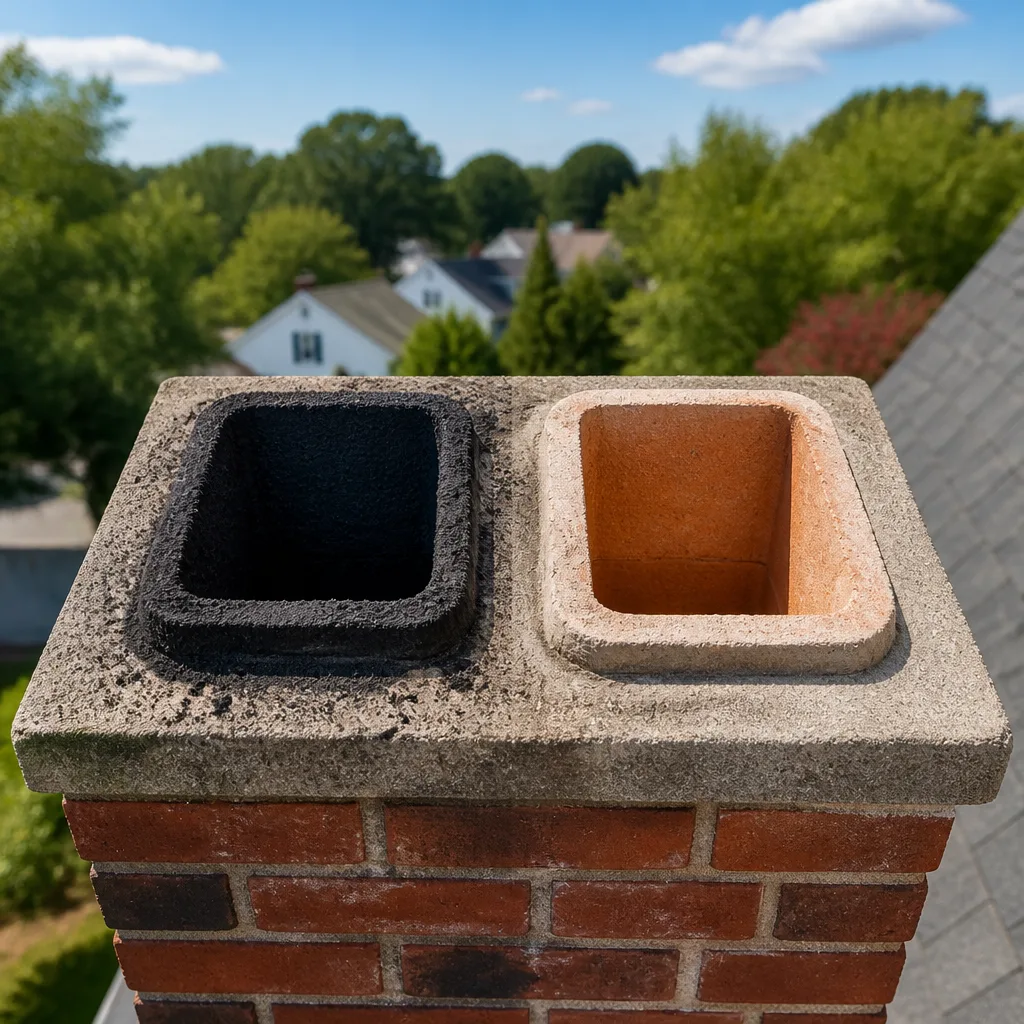 Sweep & inspection
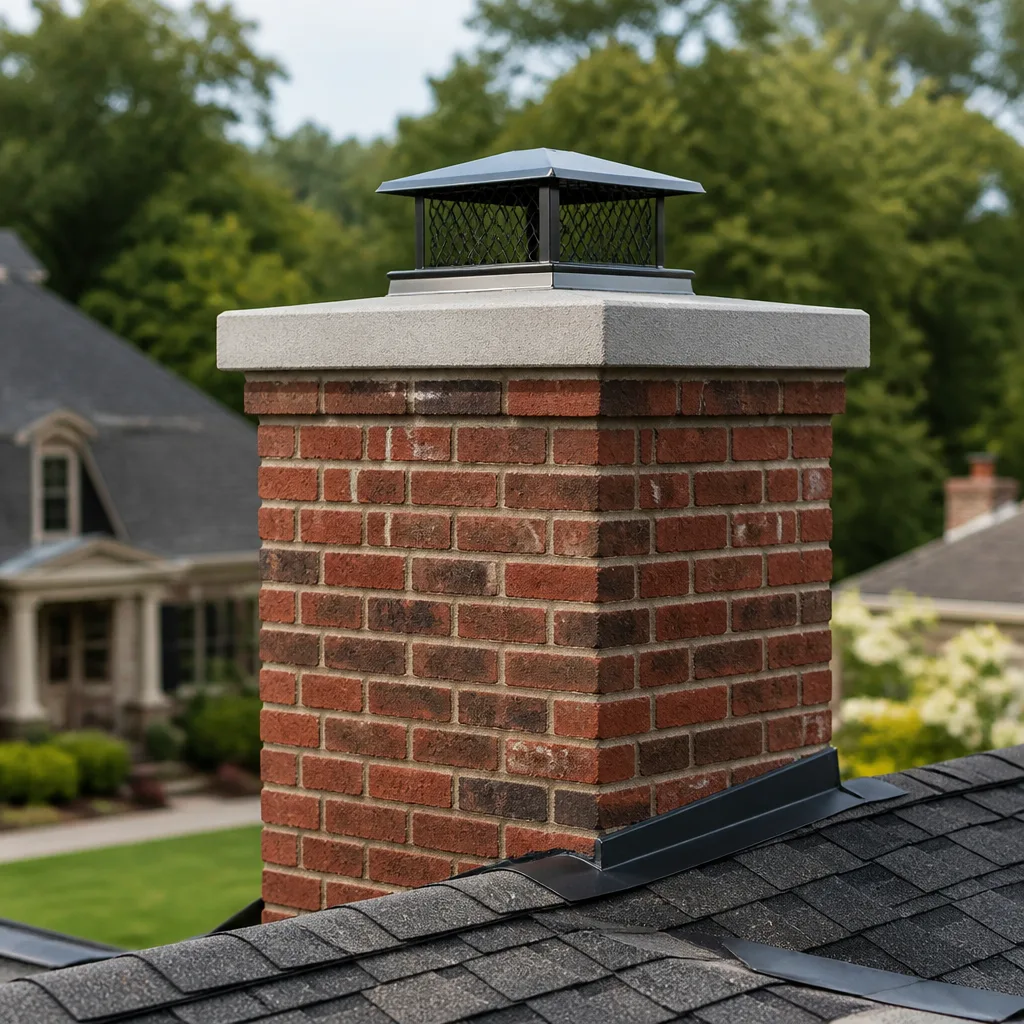 Caps & crowns
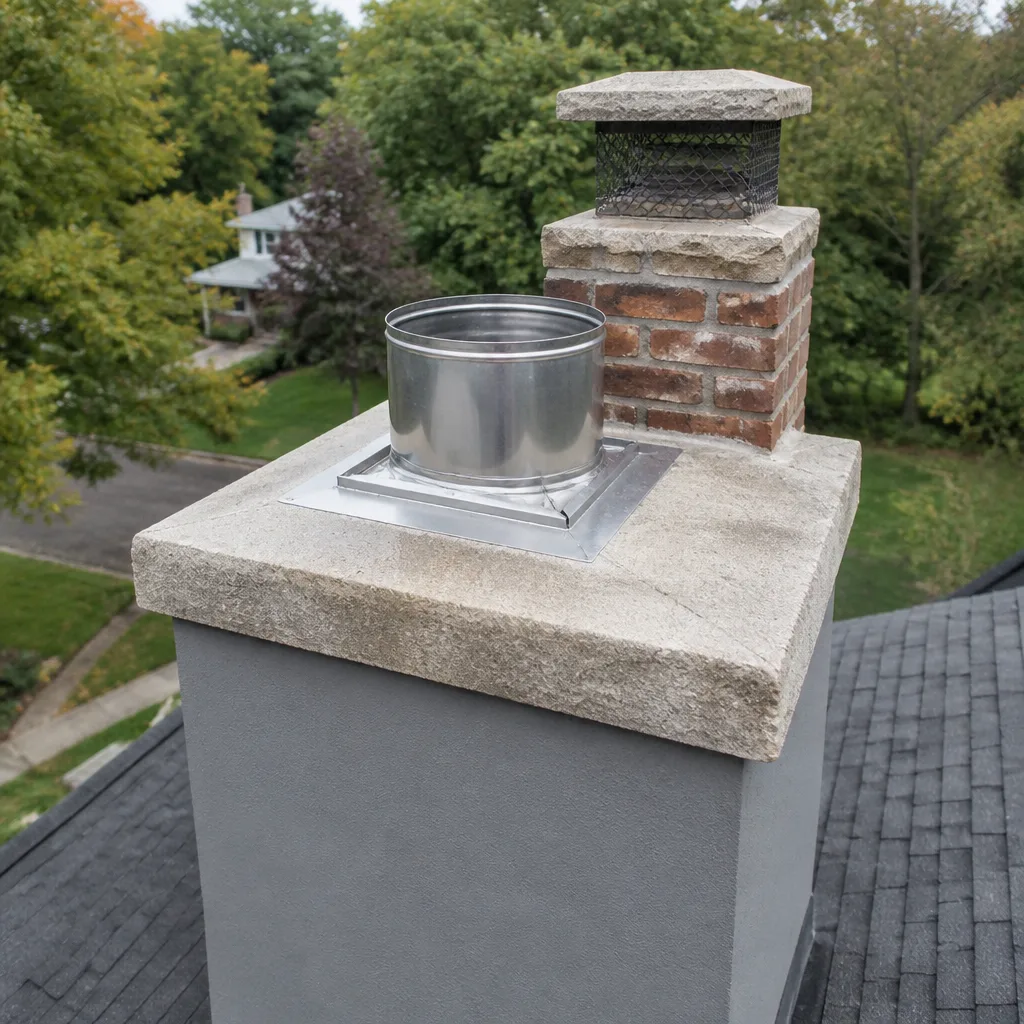 Flue relining
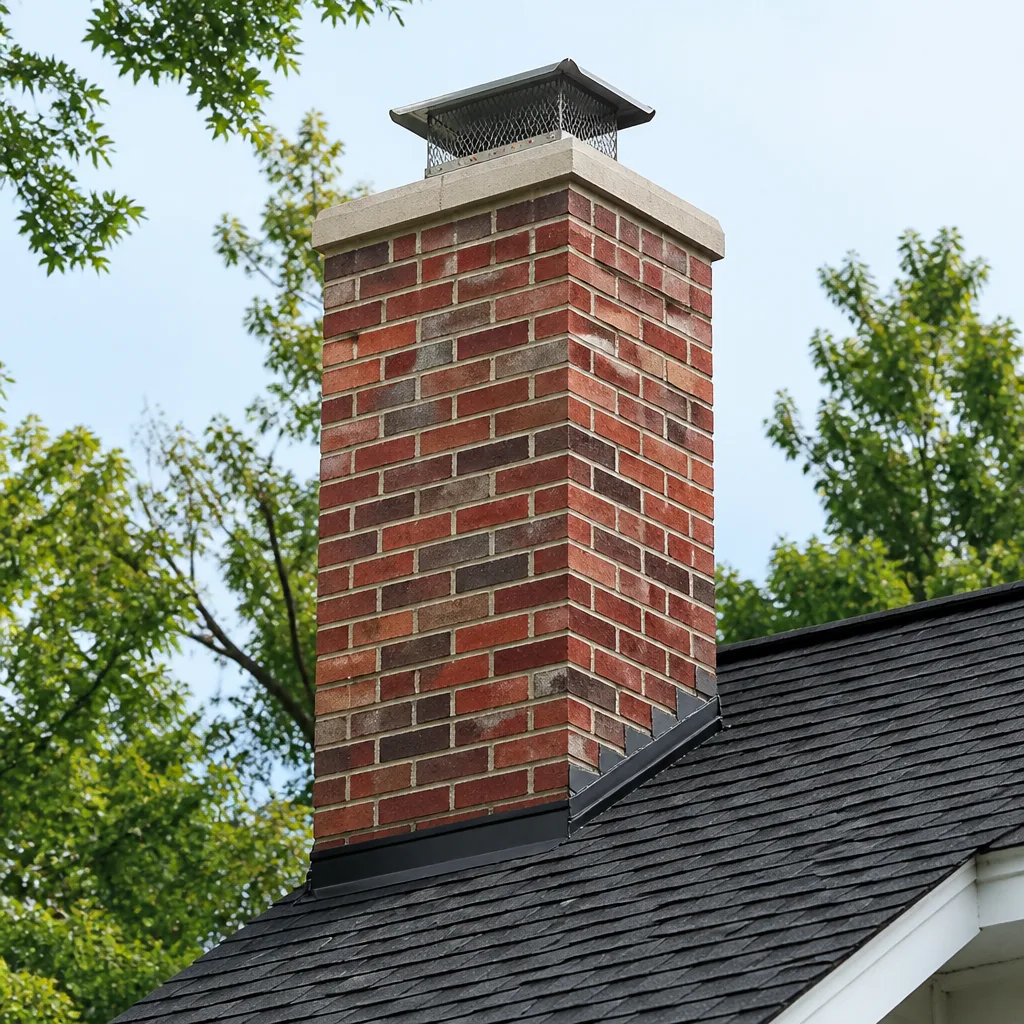 Masonry repair
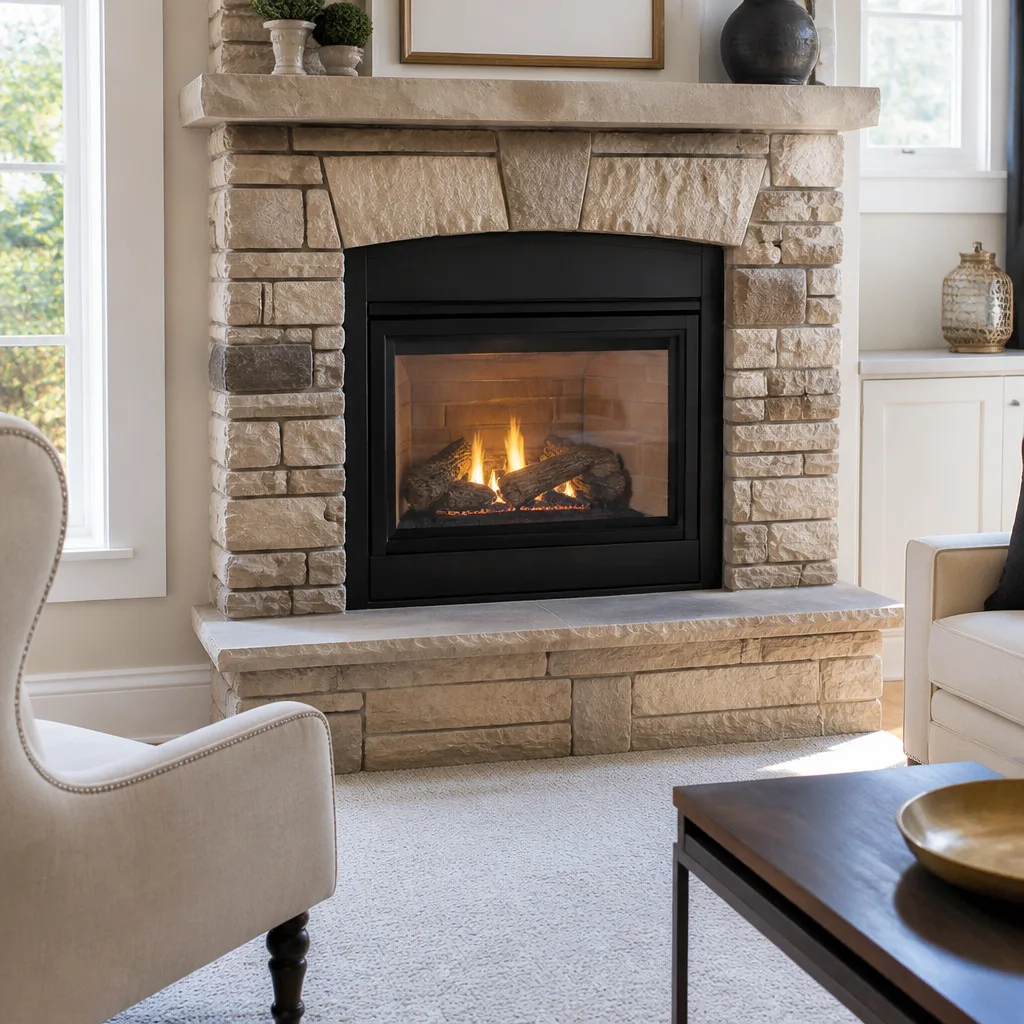 Gas fireplace service
Level 1 sweep and inspection to the NFPA 211 annual standard - flue, crown, cap, and flashing checked and photographed
Chimney sweep logs do not sweep chimneys. They loosen some creosote - which then falls where a brush and vacuum still have to collect it.
DIY vs Professional Chimney Cleaning: The Pelham Bay Homeowner’s Decision Guide
Chimney brushing kits sell a simple idea: cleaning equals safety. Run the brush, pull down the soot, and the system is ready. But creosote removal without a flue liner inspection is like changing your oil without checking the engine. You’ve finished a maintenance task while the real risk sits untouched a few feet above the damper. Most homeowners can push a brush through a flue. The question worth answering is whether the cleaning is happening without the diagnostic work that makes it safe. This guide walks through what you can safely do yourself, what genuinely requires a trained eye and professional equipment, and where the real line sits between a chore around the house and a false sense of security. It’s written for Pelham Bay homeowners who want a straight answer, not a sales pitch.
Quick Answer
DIY chimney cleaning is limited to surface tasks: checking the cap, looking over the visible crown, removing loose debris from the firebox, and running a smoke test. Real cleaning and, more importantly, the inspection that makes cleaning meaningful require professional tools and training. A video flue inspection, creosote classification, smoke chamber evaluation, and draft testing are what tell you whether your chimney is actually safe. A brush kit can remove creosote, but it can’t tell you what condition your liner is in. That gap is where the real decision lives for anyone in Pelham Bay.
Styles & brands we work with
- Sweep & inspection
- Caps & crowns
- Flue relining
- Masonry repair
- Gas fireplace service
Table of Contents
- Why DIY Chimney Cleaning Feels Safer Than It Is
- What a Homeowner Can Safely Do
- What Requires Professional Equipment and Training
- The Older-Home Problem in Pelham Bay
- The Real Cost Comparison
- When DIY Interim Cleaning Makes Sense
- Insurance, Liability, and Documentation
- Common Mistakes to Avoid
Why DIY Chimney Cleaning Feels Safer Than It Is
The appeal of a brush kit is obvious. It costs less than a professional visit, it’s available at any hardware store, and it feels like taking responsibility for your home. But that feeling is built on a misunderstanding of what a chimney sweep actually does. The brush is the smallest part of the job.
Here’s what a brush can’t tell you:
- Whether your flue liner has a crack you can’t see from the firebox
- What stage of creosote has built up, and whether it’s the glazed, ignition-prone kind
- Whether the smoke chamber above the damper has been properly parged
- Whether the draft is pulling correctly or has quietly reversed
- Whether a bird or squirrel has nested behind the damper
None of those questions get answered by sweeping. They get answered by inspection. And cleaning without inspection is how a homeowner ends up feeling safe about a system that isn’t. In our experience, the calls that follow a chimney fire or a carbon monoxide scare almost always start the same way: “We clean it every year.” Cleaning and inspecting are two different services, and only one of them tells you whether the cleaning mattered.
The same logic applies to the exterior. A homeowner can look up at a chimney cap & crown from the ground and see that it’s there. What that view won’t reveal is a hairline crown crack letting water into the masonry, or a rusted cap screen that’s already failed.
What a Homeowner Can Safely Do
There are genuinely useful tasks a homeowner can handle without a ladder, a camera, or any risk of injury. The line is simple: anything you can see and reach from the floor in front of the fireplace is fair game. Anything above the damper is not.
The safe list looks like this:
- Visual cap inspection from the ground. Use binoculars from the yard and check that the cap is present, intact, and free of obvious rust or debris. You’re confirming it exists and looks whole, not judging its condition.
- Visible crown check. From the ground or from a safe, flat vantage point, look at the top of the chimney for obvious cracks or spalling. If anything looks questionable, note it and leave it for a professional to assess.
- Firebox debris removal. Once the firebox is cold, sweep out ash, soot, and fallen debris with a stiff brush and vacuum. That keeps the firebox clean and lets a professional see the firebox walls clearly on their next visit.
- Damper operation and smoke test. Open and close the damper to confirm it moves freely. With a cold firebox, a small smoke test (a lit incense stick or a rolled piece of paper, held safely in the firebox with the damper open) tells you whether the flue is pulling air upward. If smoke lingers in the room, stop and call a professional.
- Seasonal visual check of the firebox. Look for new cracks in the firebrick, loose mortar joints, or water staining. Note what you find; don’t attempt to repair it.
What we don’t recommend for anyone in Pelham Bay: climbing onto the roof to sweep or inspect. Fall risk aside, you can’t see your flue liner from the top of the chimney no matter how careful you are. The liner is inside the structure. It requires a camera.
What Requires Professional Equipment and Training
This is where the DIY-versus-professional question actually gets decided. The following tasks are the diagnostic half of a chimney visit, and none of them can be done with a brush kit and a flashlight.
- Video flue liner inspection. A camera run down the flue reveals cracks, gaps, gaps in the joints, offsets, and debris in places no one can reach or see from above or below. This is the single most important thing a professional visit provides.
- Smoke chamber evaluation. The smoke chamber sits between the damper and the flue and is where draft problems and heat-related damage tend to hide. Assessing its condition requires access and lighting a homeowner can’t safely manage.
- Degree-of-creosote classification. Creosote runs from light soot to glazed, tarry third-degree deposits that are genuinely dangerous because they ignite at lower temperatures. A trained technician classifies by degree and recommends the right remedy – a standard sweep for Stage 1, chemical treatment or more for advanced deposits.
- Draft pressure testing. A manometer or equivalent instrument measures whether the chimney is drafting at the correct pressure. Nose and sighted smoke tests help, but they don’t quantify a problem, and a poorly drafting chimney is a carbon monoxide risk.
- Cap and crown assessment. Judging whether a crown needs resurfacing or whether a cap is the right size, seated correctly, and properly screened requires getting up there with the right tools.
In our experience, this is why the visit matters more than the brush. A technician who finds a cracked liner during a sweep can address it with chimney repair in the same visit – resurfacing with a ceramic system like HeatShield or relining with a flexible system like DuraFlex for offset or irregular flues. One inspection leads to one solution, not a handoff.
The Older-Home Problem in Pelham Bay
Pelham Bay is a neighborhood of older housing stock, and older chimneys are where the unknown-liner risk concentrates. When a chimney has been in place for generations, the liner inside it may be original clay tile, may have been relined at some point by a previous owner, or may be unlined altogether – and there’s often no record of which. That uncertainty is the reason a professional inspection matters more here than in a newer home where the liner history is known.
What’s inside an older flue can be any of the following:
- Original clay tile with joints that have cracked or shifted
- A partially relined flue with an inconsistent repair
- An unlined flue with masonry walls exposed to heat and creosote
- An offset or irregular flue passage that standard rigid liners can’t navigate
DIY cleaning and building age intersect in an uncomfortable way. A homeowner who sweeps their own flue has no way to know which of the four conditions they’re working with. They brush the inside of a liner they’ve never seen. A professional video inspection answers the question. A flexible liner system like DuraFlex, in a professional’s toolkit, is designed to reline even offset or irregularly shaped flue passages – which matters if an older Pelham Bay chimney turns out to need one.
Water is the other recurring issue in older homes. Cracks and gaps in the crown or masonry let water in, and water damages liners over time. That’s why cap and crown work belongs in a chimney visit, not as an add-on. The system needs to be built to keep moisture out and heat in, from the crown down to the firebox.
The Real Cost Comparison
On paper, a DIY brush kit looks much cheaper than a professional sweep. In practice, the comparison only holds if you value the inspection at zero. And the inspection is the part that tells you whether your chimney is safe.
A realistic look at the two options:
- DIY brush kit and supplies: One-time cost for the brush, rods, and a proper shop vacuum. No inspection, no flue camera, no creosote classification, no draft test, and no documentation.
- Professional sweep and inspection: The fee for the visit covers cleaning plus the diagnostic work that makes the cleaning meaningful – and any findings feed directly into repair capability without a separate contractor.
- What the DIY path can miss: A cracked liner, a glazed creosote deposit, or a draft problem that would have been flagged – and the cost of discovering those problems later is usually more than the cost of the visit that would have found them earlier.
Homeowners in Pelham Bay are rightly skeptical of low-price sweeps that arrive with alarming repair estimates. The right response isn’t to skip the professional visit. It’s to insist on a written, itemized explanation of any findings, backed by camera footage or photos you can see for yourself. When the evidence is supplied, the recommendation is verifiable. When it isn’t, ask again.
For a starting point on what specific services run, see our guide to Chimney Sweep Pelham Bay services and ask for a written estimate before any work is booked.
When DIY Interim Cleaning Makes Sense
There is exactly one scenario where a homeowner should run a brush through their own flue – and it’s narrower than most people assume.
It makes sense when all of the following are true:
- The chimney has been professionally inspected within the past year, with a clean inspection result on record.
- The homeowner is burning conventional cordwood or a standard fuel in normal amounts, not heavy, continuous, or wet-wood burns that build creosote faster.
- The homeowner is seeing light, powdery soot – not tarry, glazed deposits that indicate the glazed creosote stage.
- There has been no draft problem, no smoke in the room, no water staining, and no animal activity since the last inspection.
- The homeowner can reach the full length of the flue from a safe position inside the firebox, with no roof work involved.
Even then, interim DIY brushing is a maintenance step, not a substitute for the professional inspection cycle. The conditions have to be confirmed by a professional first. A chimney that has never been inspected should not be swept by its owner, because the liner condition is unknown and that’s the risk that matters.
Insurance, Liability, and Documentation
This is a part of the DIY-versus-professional decision that doesn’t get discussed often, and it matters after a loss.
When a chimney fire or a carbon monoxide issue leads to an insurance claim, documentation is what supports you. A homeowner who swept their own flue has no record of the system’s condition. A homeowner who had a documented professional inspection and sweep has a paper trail – dates, findings, and photos. That record is what an insurer and an adjuster can actually work with.
None of this is a scare tactic. It’s a straightforward point about what a professional visit provides beyond the cleaning: a record. If you’ve had a chimney fire or a close call and you intend to file a claim, the inspection record is your evidence. It’s also the thing that gets your chimney properly repaired after the event, rather than patched and forgotten.
Common Mistakes to Avoid
- Buying a kit instead of booking an inspection. A brush kit is a tool, not a diagnosis. If you’ve never had your flue inspected, start there, then decide whether DIY interim brushing makes sense.
- Climbing onto the Pelham Bay rooftop to sweep. The liner can’t be inspected from the top anyway, and the fall risk isn’t worth the reach. Leave roof access alone.
- Assuming a clean-looking firebox means a safe chimney. Most liner damage is invisible from the firebox. The cleanest firebox can have the worst flue liner.
- Skipping the sweep because there’s been no chimney fire. A chimney fire is the outcome, not the warning sign. Creosote buildup and liner cracks are what lead to it, and both are silent from inside the room.
- Trusting a low-price sweep that arrives with a big repair bill. Ask for itemized findings with camera footage before approving repair work. The evidence should be visible to you, not just described.
- Cleaning the flue and calling it a year. The cap, crown, and smoke chamber are part of the system. Cleaning one without checking the others leaves most of the system unassessed.
- Ignoring exterior warning signs because the fireplace works fine. Water staining on the outside of the chimney often precedes liner damage inside. Check it from the ground and flag anything you notice.
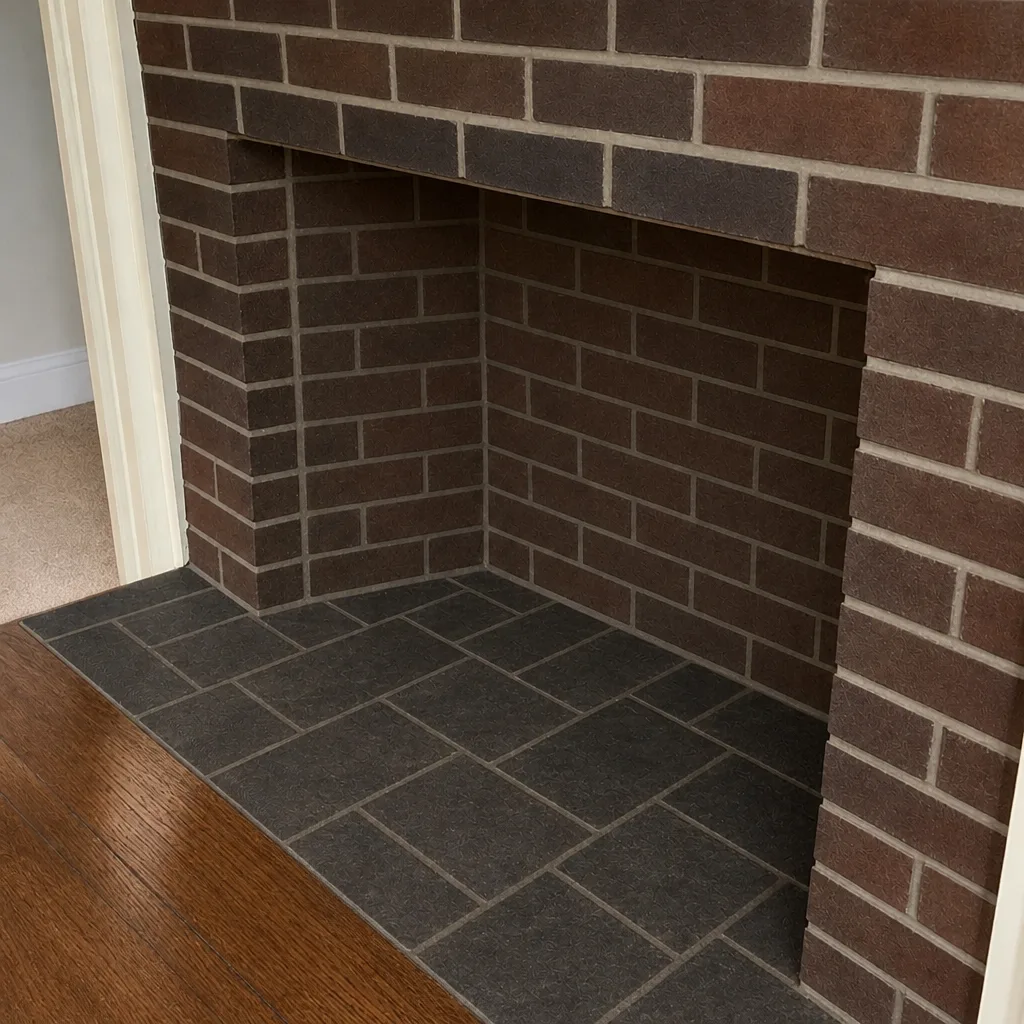
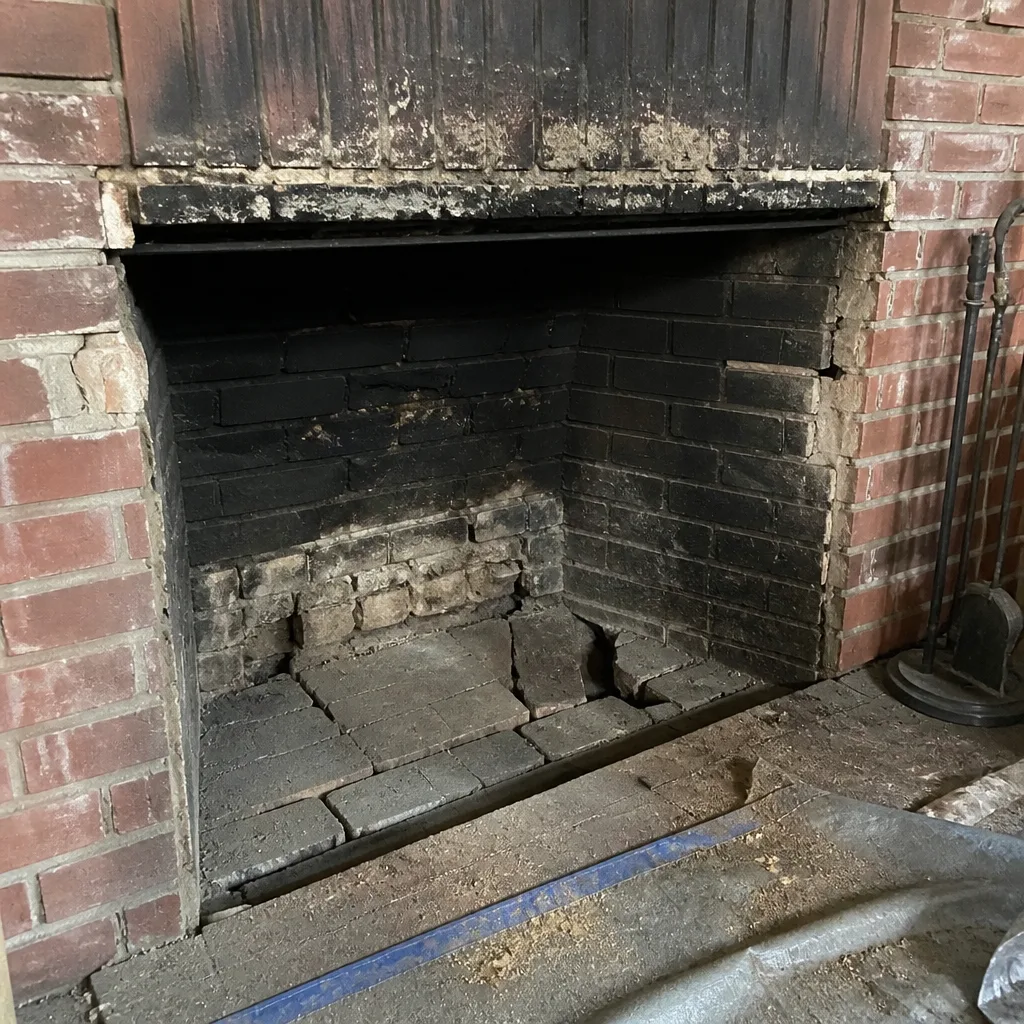
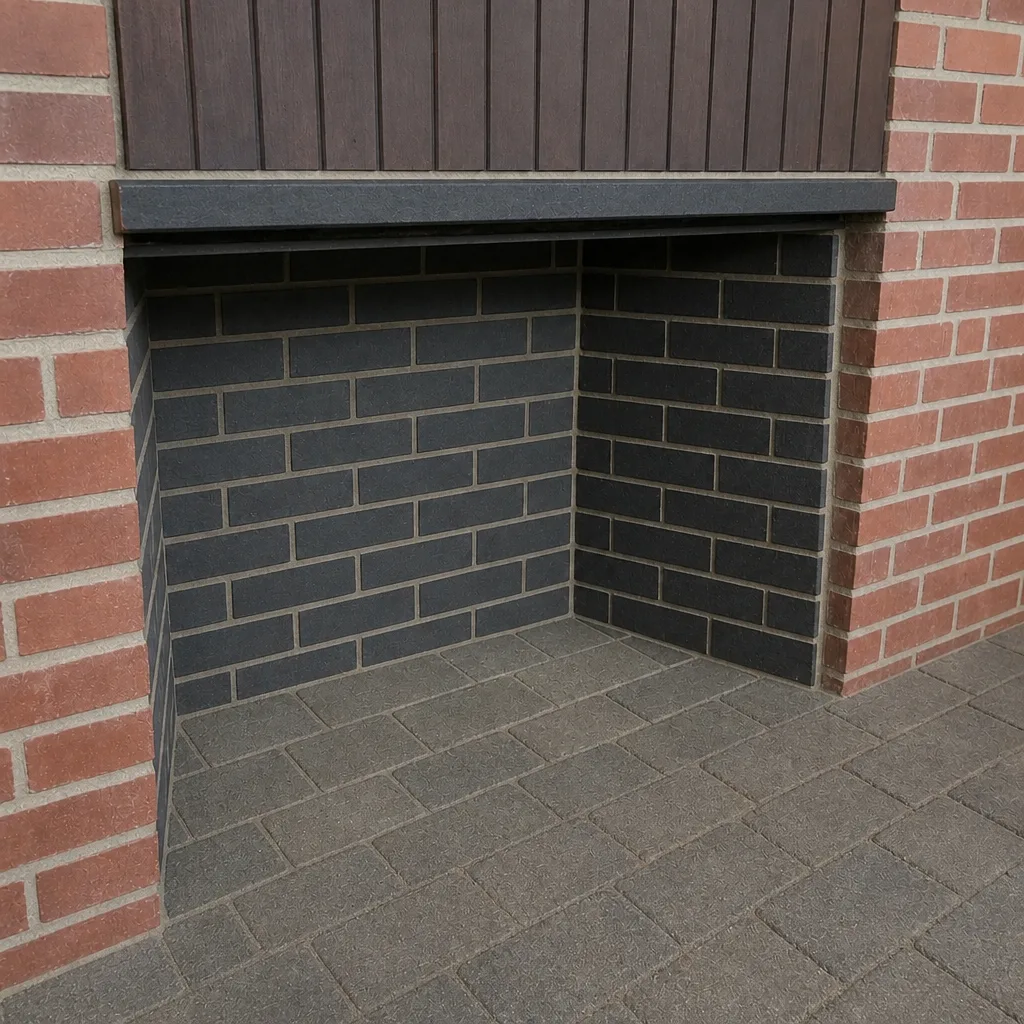
See the difference
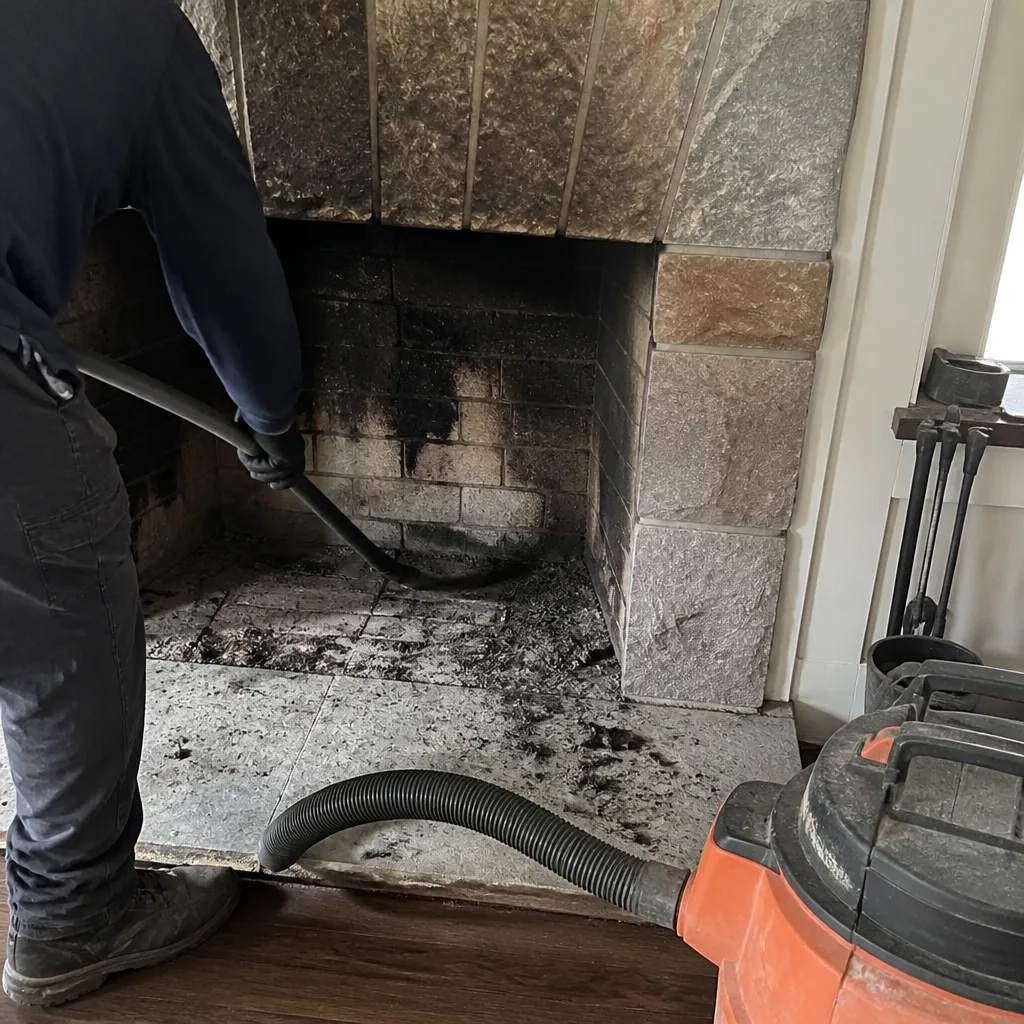 Before
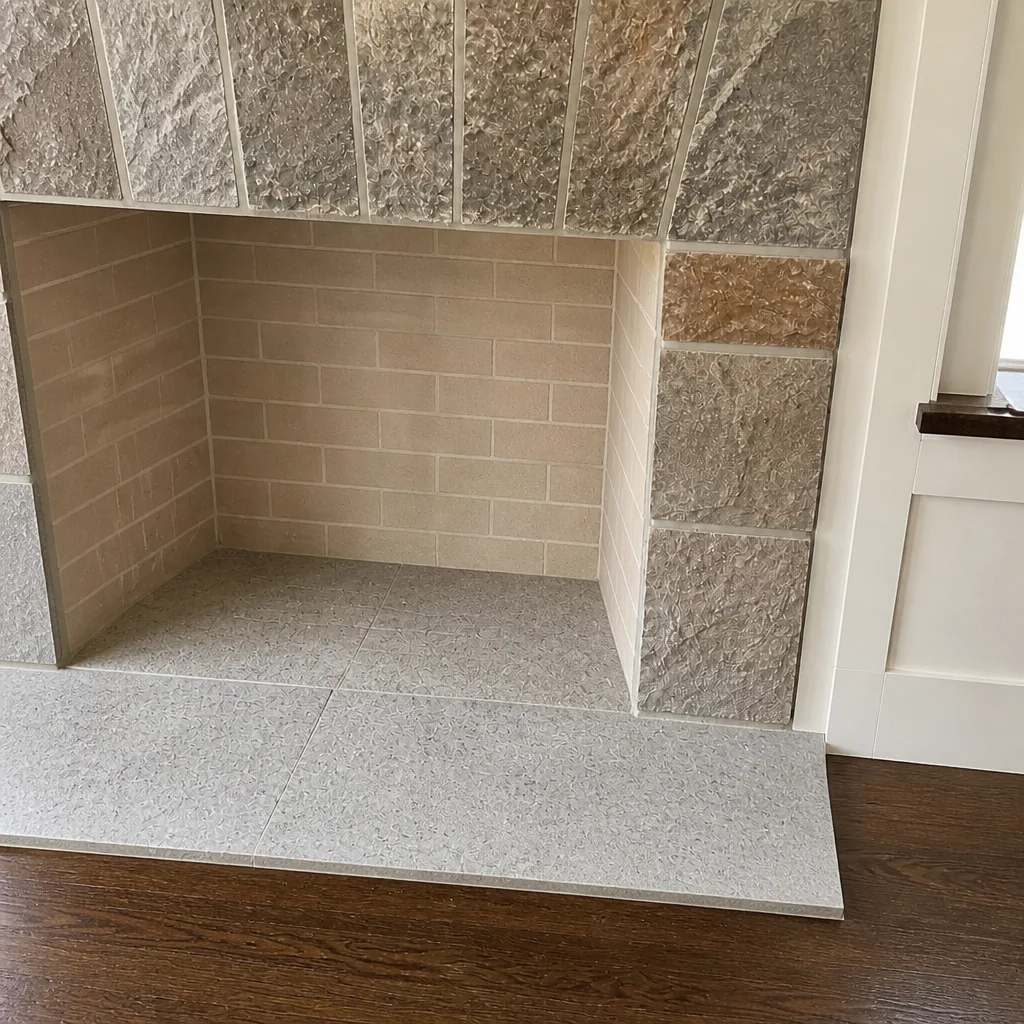 After
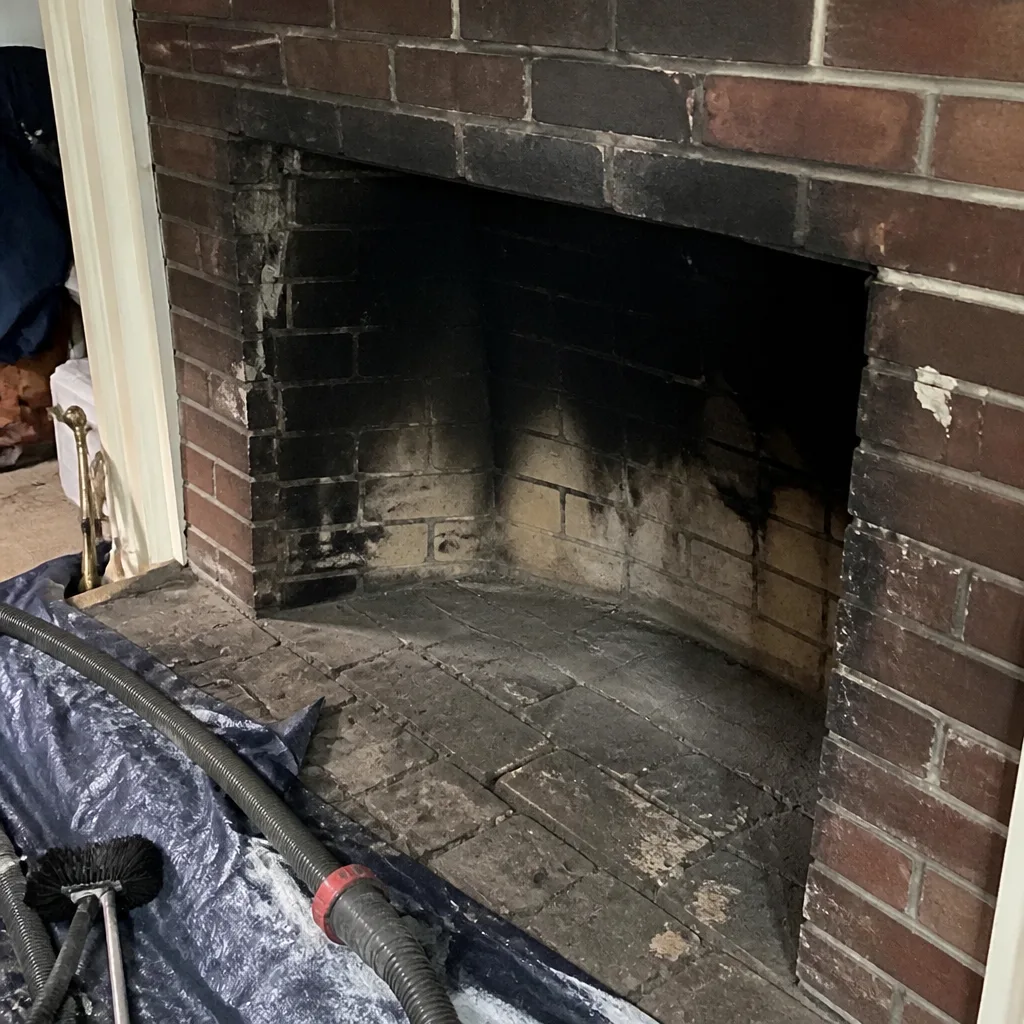 Before
 After
 Before
 After
When to Call a Professional
Call a professional when the chimney hasn’t been inspected in the last year, when you can’t verify the condition of the liner, when you see water staining or visible cracking on the exterior, when you’ve had smoke backing into the room, or when the fire has been burning poorly and you can’t explain why. Do it before any DIY cleaning, not after – the inspection needs to come first so you know what you’re working with.
Sweeping your own flue without knowing your liner’s condition is the one combination that creates a false sense of security. Chimney Sweep Pelham Bay offers free estimates in Pelham Bay – call (877) 820-9084. Our technicians have up to 15 years of experience with professional-tier products from DuraFlex, HeatShield, Olympia Chimney, and Copperfield, and the inspection we perform feeds directly into any repair, cap, or relining work the system needs. We answer 24/7. Fast dispatch from 7am to 7pm, Sunday through Friday; we’re closed Saturday.
Frequently Asked Questions
You can safely handle light interim brushing only if a professional has inspected your chimney within the last year and confirmed the liner is sound. You cannot safely do the inspection that determines that condition, the creosote classification, the smoke chamber check, or the draft test. If your chimney has never been inspected, call (877) 820-9084 – estimates are free.
The cleaning itself is mostly a fall-risk and soot-exposure concern, but the greater danger is what DIY cleaning leaves undetected: a cracked liner, a glazed creosote deposit, or a draft problem. A sense of security without a real inspection is the actual hazard. Call (877) 820-9084 for a professional assessment.
Cleaning removes creosote and debris from the flue. Inspection evaluates the system’s condition – flue liner, smoke chamber, cap, crown, and draft – using camera and testing equipment. A thorough visit should include both, with findings you can review yourself. Call (877) 820-9084 to book an inspection.
No. In an older Pelham Bay home, the liner could be original clay tile, a partial reline, or unlined altogether – and you can’t tell from the firebox. A professional video inspection answers that question before any sweeping. Call (877) 820-9084 for a free estimate.
It can. A documented professional inspection and sweep gives you a record of the chimney’s condition that an insurer can work with after a fire or carbon monoxide incident. A DIY sweep leaves no record. Call (877) 820-9084 to establish that record.
Most professionals recommend an annual inspection for any active chimney. Sweeping frequency depends on how much the fireplace is used and how much creosote builds up – heavy burners need more frequent sweeps. The inspection is the annual appointment; the sweep is scheduled based on findings. Call (877) 820-9084 to book.
The Bottom Line
The DIY chimney cleaning question comes down to this: brushing a flue is a maintenance task, and an inspection is what tells you whether that maintenance was safe to perform. Homeowners in Pelham Bay can absolutely handle cap checks from the ground, firebox debris removal, and a basic smoke test. Everything above the damper – the liner, the smoke chamber, the creosote stage, the draft – needs a trained technician with the right tools. A DIY brush kit handles a chore. A professional visit handles the risk. Do the second one first, and the first one makes sense.
Written by the team at Chimney Sweep Pelham Bay.