
Last updated November 25, 2026
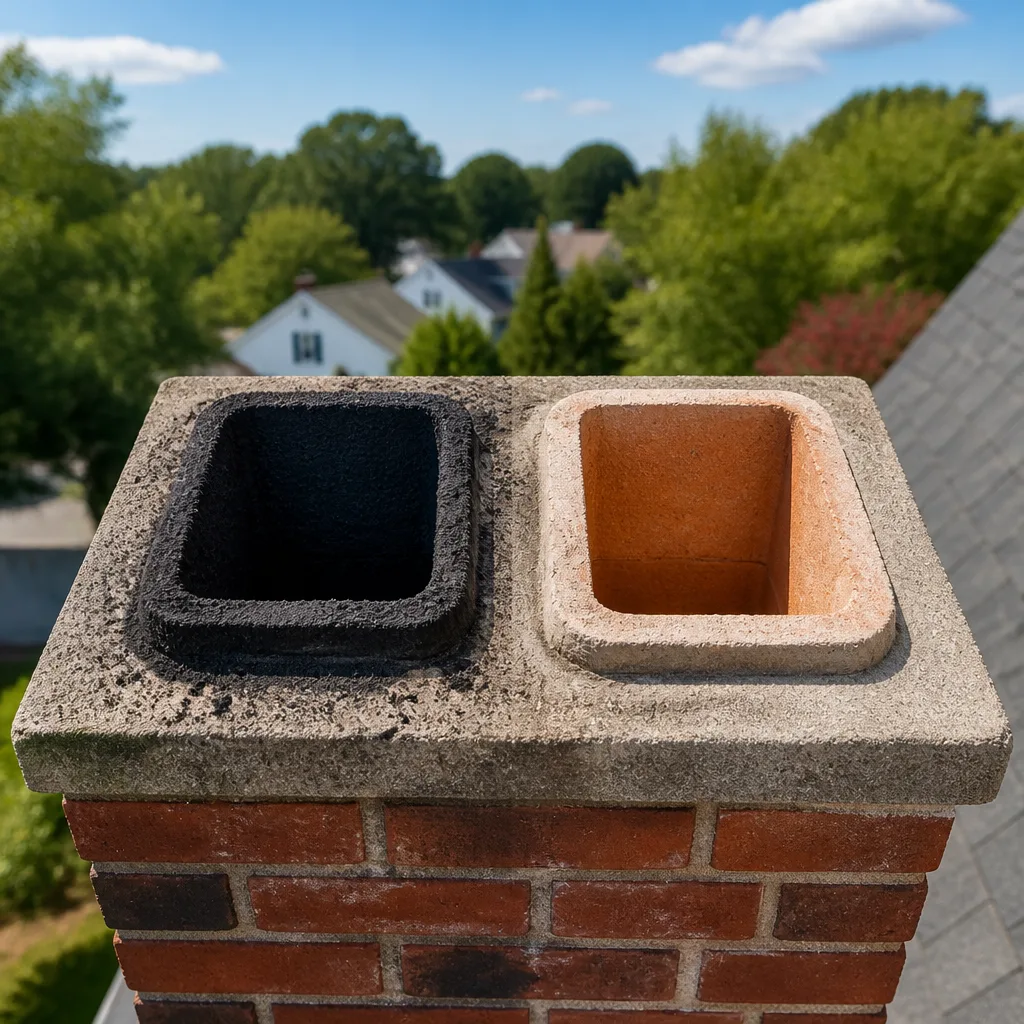 Sweep & inspection
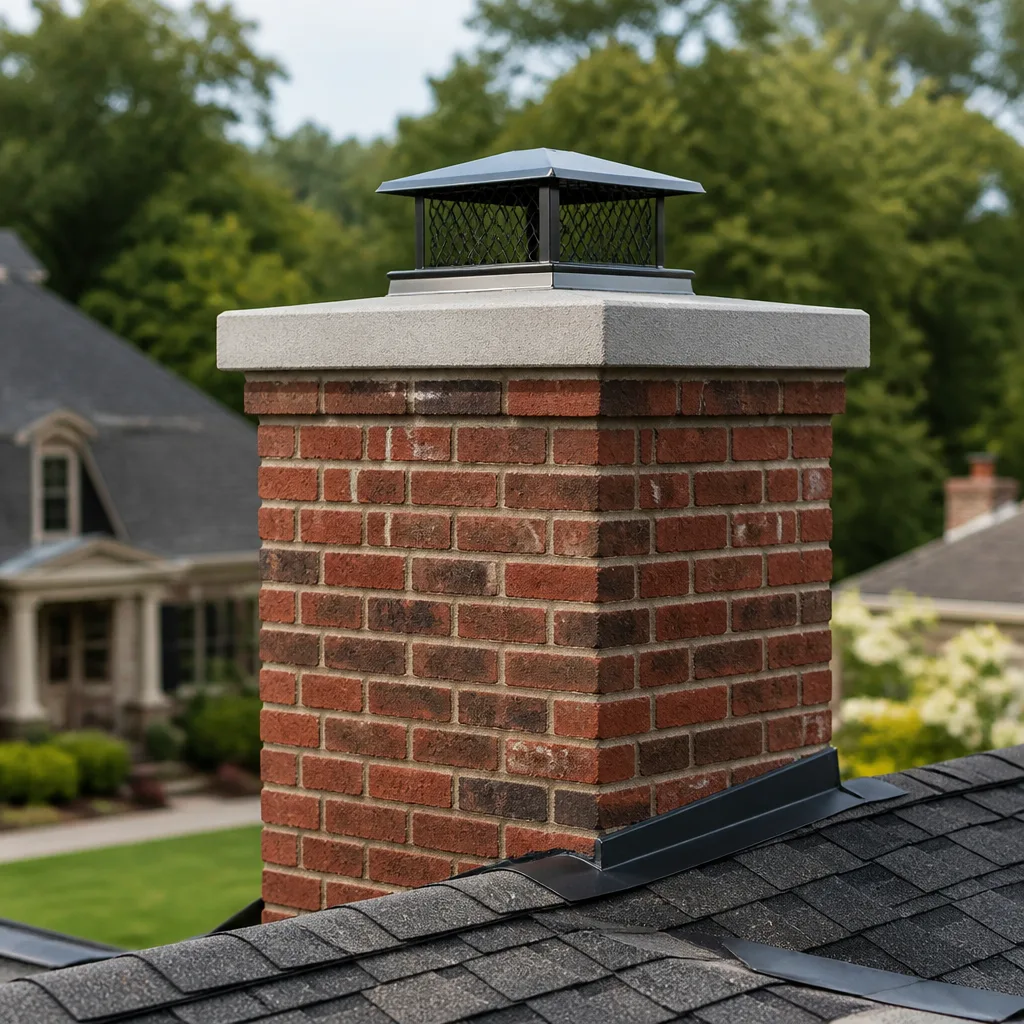 Caps & crowns
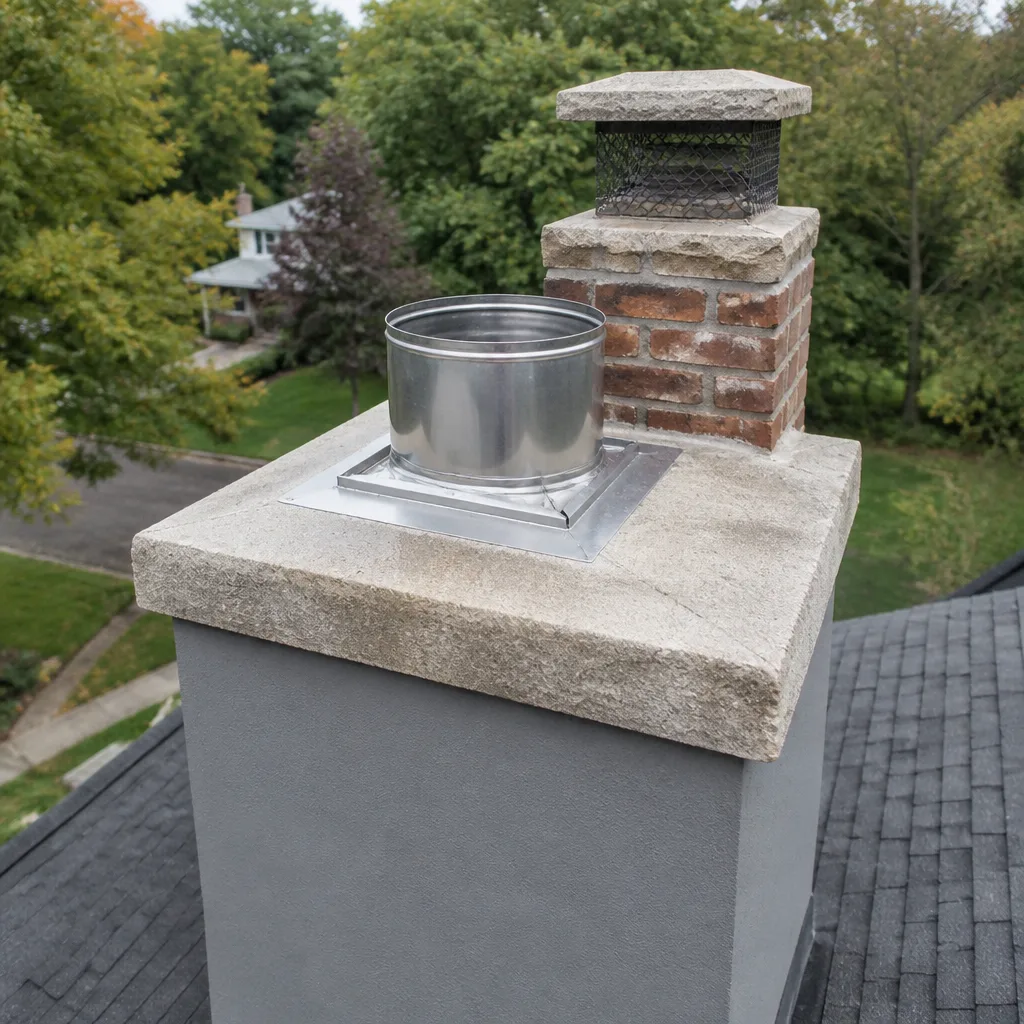 Flue relining
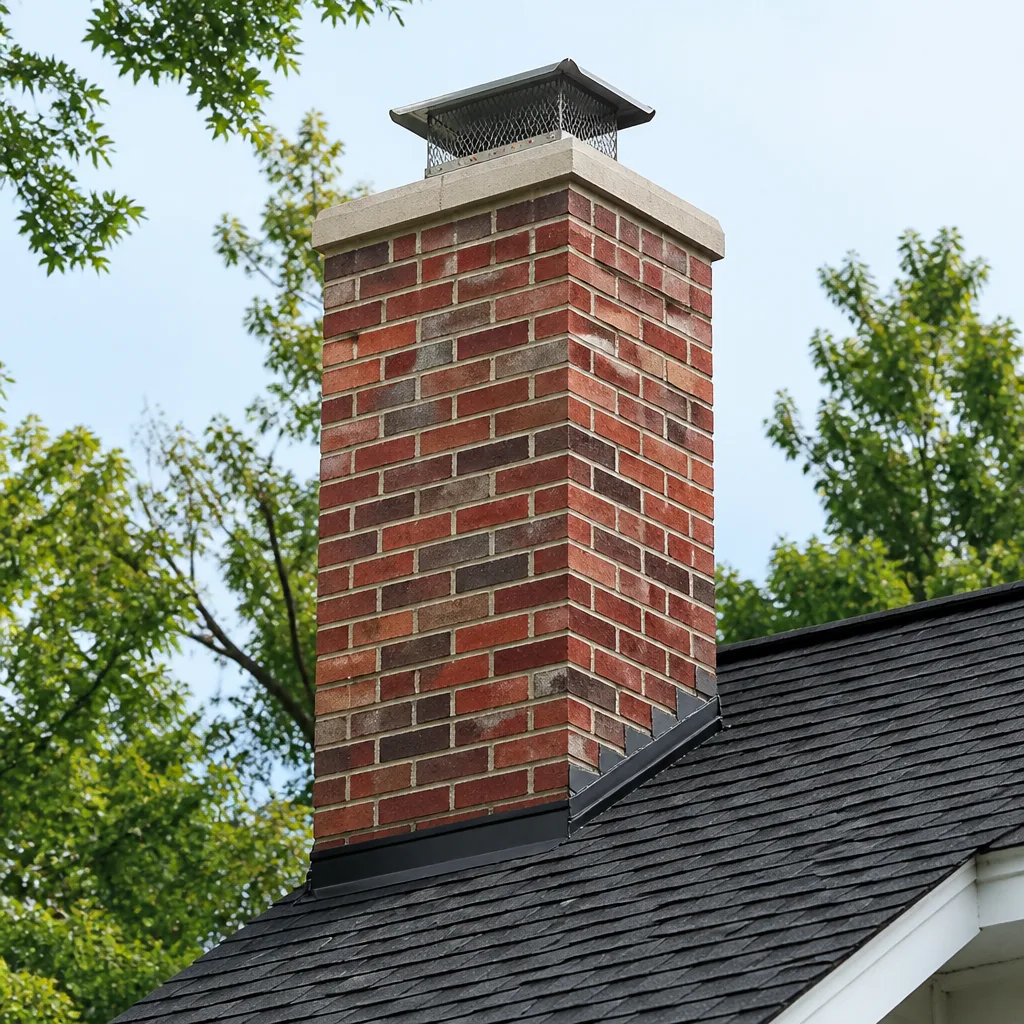 Masonry repair
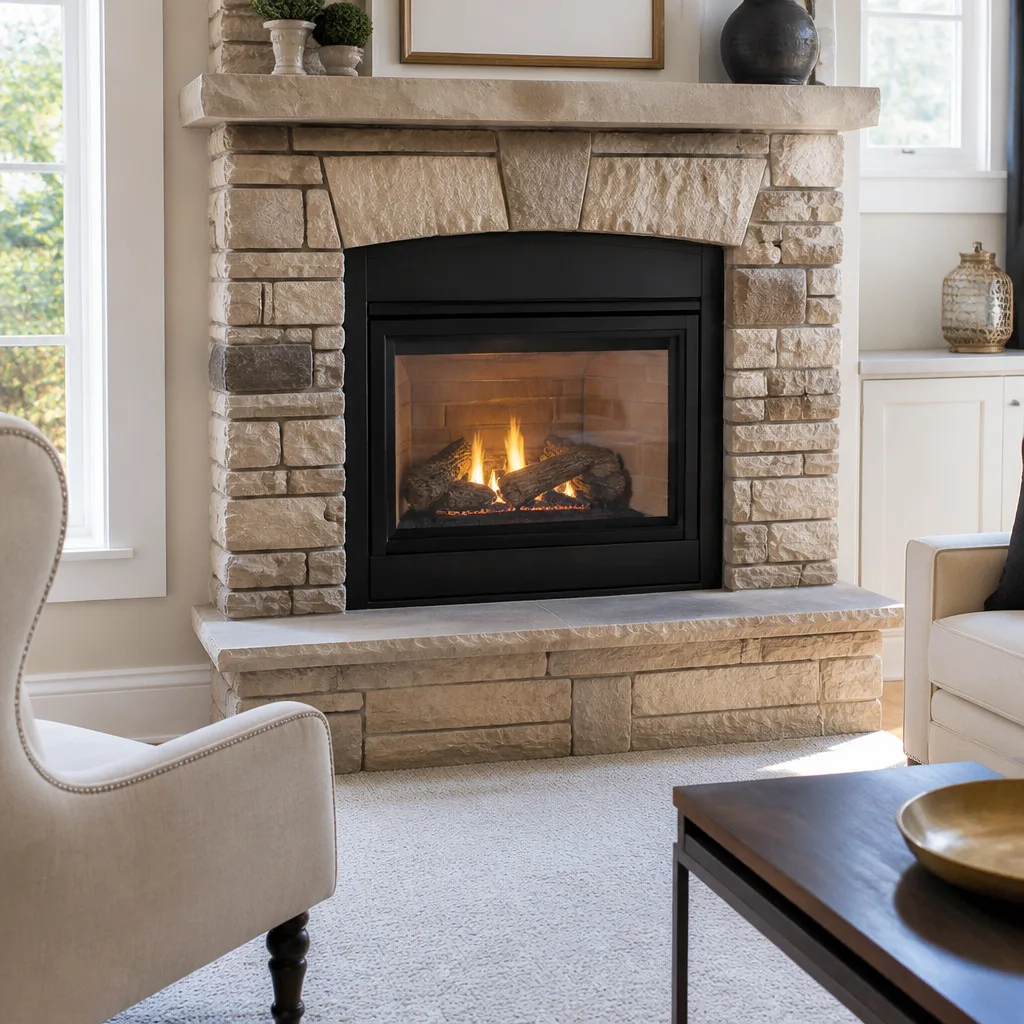 Gas fireplace service
Level 1 sweep and inspection to the NFPA 211 annual standard - flue, crown, cap, and flashing checked and photographed
Chimney sweep logs do not sweep chimneys. They loosen some creosote - which then falls where a brush and vacuum still have to collect it.
Choosing the Right Chimney Cleaning Brand: A Buyer’s Guide for Pelham Bay
Most homeowners in Pelham Bay start their search by looking for a recognizable name. A national franchise with a logo on the side of a van feels safer than an independent company they’ve never heard of. But a franchise is a business model, not a quality standard. The service area is often covered by an independent operator who bought the license, and their actual equipment, liner repair capability, and knowledge of Bronx housing stock varies just as much as any local shop. The name on the door tells you almost nothing about what happens at your chimney. What you should be evaluating is system capability: whether the company serving your address can diagnose and resolve what your chimney needs without handing you off to a subcontractor halfway through. This guide covers how to tell the difference before you book, what certifications actually certify, and why local knowledge of Pelham Bay’s construction era and liner types matters more than brand recognition.
Quick Answer
The best chimney cleaning company in Pelham Bay is the one that can inspect, diagnose, and repair your full system in-house, with video inspection equipment and professional-grade materials like HeatShield or DuraFlex on hand. Brand recognition matters far less than scope of service, documented local project history, and whether the technician who finds a problem is the same company that fixes it. Ask three questions before booking: what certifications do the technicians hold, what does your video inspection actually record, and can you handle a liner repair without bringing in another contractor?
Styles & brands we work with
- Sweep & inspection
- Caps & crowns
- Flue relining
- Masonry repair
- Gas fireplace service
Table of Contents
- What “Brand” Actually Means in Chimney Service
- Local Company vs. National Franchise: What Actually Differs
- What CSIA, NFI, and C-DET Certifications Actually Cover
- Why Pelham Bay Knowledge Matters for Your Chimney
- The Equipment Test: Video Inspection and Liner Capability
- How to Read Reviews Like a Technician
- The Second Opinion Test: Using a Competing Estimate
- Questions to Ask Before You Book
What “Brand” Actually Means in Chimney Service
In chimney work, the word “brand” gets used two different ways, and mixing them up is where homeowners lose money. The first meaning is the service brand: the company name on the invoice. The second is the product brand: the manufacturer whose liner, crown coating, or cap components actually go into your chimney. Those are separate questions, and only the second one tells you what’s being installed in your home.
A company can carry a respected name and still install generic hardware-store components. Another can be a small local operation that stocks DuraFlex flexible liner systems and HeatShield ceramic resurfacing material because those are the products the trade actually specifies for real repairs. When we evaluate a chimney company, we look at product lines first. Professional-grade chimney materials are made for specific conditions: flexible liners for offset or irregular flues, ceramic resurfacing compounds for restoring a cracked liner without demolition, manufacturer-specified caps and venting components rather than universal-fit substitutes.
Here’s the practical difference. A sweep-only service cleans the flue and hands you a list of recommended repairs, then refers you to a contractor. A full-system company cleans, inspects, and repairs. The first model isn’t dishonest, but it splits accountability. If the liner fails after the referral, nobody owns the outcome. The second model means one company put eyes on the problem, specified the material, and installed it.
So when you’re comparing chimney cleaning companies in Pelham Bay, ask what product lines they work with. If the answer is vague, that’s information. If they can name specific systems and explain when each is appropriate, you’re talking to someone who works at the trade level. As a Chimney Sweep Pelham Bay team, we work with DuraFlex, HeatShield, Gelco, Olympia Chimney, Famco, and Copperfield, and we mention them because the material choice is usually the difference between a repair that lasts and one that comes back.
Local Company vs. National Franchise: What Actually Differs
A national chimney franchise brings standardized training materials and a recognizable logo. What it doesn’t guarantee is the equipment in the van that shows up at your door. Franchise territories are frequently operated by independent owners who bought into the system. Their training follows the corporate playbook, but their liner repair capability, video inspection gear, and familiarity with local housing stock are their own. Some franchise operators are excellent. Some are sweep-only operations wearing a national logo.
The same is true of independent local companies. Some are one-technician operations with a brush and a flashlight. Others run full-system service with camera equipment and repair capability. The label on the business license tells you nothing either way.
What separates the two models in practice comes down to three factors:
- Scope of in-house service. Can the company that inspects your chimney also reline it, repair the crown, and replace a damaged cap? Or does every finding turn into a referral?
- Equipment. Does the inspection include a video camera run through the flue, with footage you can see? Or is it a visual check from the firebox with a flashlight?
- Documented local history. Can they describe the liner types and construction era common in your part of the Bronx, and what they typically find there? Specific answers signal real local work. Generic answers signal a script.
For a homeowner in Pelham Bay, the practical move is to evaluate the specific operator serving your address, not the parent brand. Ask where the technicians train, what equipment they carry, and what they do when they find a cracked liner. The answers will sort the field quickly. If you want to understand what a proper inspection should include before you start calling, our guide to chimney sweep service walks through the process step by step.
What CSIA, NFI, and C-DET Certifications Actually Cover
Certifications are useful signals, but only if you know what each one tests. A technician can hold a certification and still be limited in what their company is equipped to do. Here’s what the main credentials actually mean.
CSIA (Chimney Safety Institute of America)
CSIA certification is the standard credential for chimney sweeps. It covers inspection procedure, sweeping technique, venting fundamentals, and code awareness. A CSIA-certified technician has passed an exam on the trade’s core knowledge and keeps current through continuing education. What it does not certify is repair capability. A CSIA-certified sweep may work for a company that only cleans.
NFI (National Fireplace Institute)
NFI certification focuses on hearth appliances: wood stoves, gas inserts, and pellet units. It tests knowledge of installation and venting requirements for specific appliance types. If your home has a gas insert or a wood stove rather than an open masonry fireplace, an NFI-certified technician is the relevant credential. It doesn’t cover masonry repair or liner resurfacing.
C-DET (Chimney Diagnostic/Evaluation Technician)
C-DET is a more specialized credential focused on chimney diagnostics: evaluating system condition, identifying defects, and understanding how components interact. It sits closer to the inspection-and-diagnosis side than the cleaning side. A company with C-DET-credentialed technicians is more likely to catch a problem a basic sweep would miss, because the training is built around evaluation rather than cleaning.
What none of these certifications cover is actual repair installation. Liner resurfacing with HeatShield, flexible relining with DuraFlex, and crown reconstruction are learned on the job and through manufacturer training. So the right approach is layered: look for certified technicians, then ask separately about repair experience and manufacturer familiarity. Our own technicians have up to 15 years of experience, and the certifications are only one part of what we evaluate when we’re assessing a chimney.
Why Pelham Bay Knowledge Matters for Your Chimney
Chimneys fail in patterns, and those patterns follow the housing stock. Pelham Bay and the surrounding Bronx neighborhoods were built out heavily in the early-to-mid twentieth century, which means a large share of the housing has masonry chimneys from that era. Those chimneys tend to share certain characteristics: clay tile liners that have had decades of thermal cycling, mortar joints that have softened, and crowns that have weathered through many freeze-thaw seasons.
That matters because the right repair depends on what’s actually there. A 1920s masonry chimney with an offset flue needs a different approach than a mid-century chimney with a straight run. Flexible liner systems like DuraFlex exist precisely because rigid liners can’t navigate an offset or irregular flue passage. A company that works mostly with newer construction may not have that tool in the rotation.
Local knowledge also shows up in smaller ways. Knowing which material suppliers in the Bronx can get a specific crown mix or cap component without a week-long lead time. Knowing how the region’s freeze-thaw cycle stresses a crown and where cracking typically starts. Knowing that a chimney on a particular block type may have a shared flue configuration that changes the inspection approach.
You can test for this in a phone call. Ask what liner type they typically find in Pelham Bay homes of a given era, and what they do when the flue is offset. If the answer is specific and technical, you’re talking to someone with real local project history. If it’s generic, keep calling. This is also where cap and crown work earns its place: a properly fitted cap and a sound crown are the first line of defense against the moisture that drives most of the deterioration we see. Our chimney cap & crown service is built around that idea rather than treating it as an add-on.
The Equipment Test: Video Inspection and Liner Capability
Video inspection is the single most useful piece of equipment a chimney company can carry, because it converts a recommendation into evidence. A camera run through the flue shows the actual condition of the liner: cracks, gaps, deteriorated mortar joints, obstructions. Without it, a technician is working from what they can see from the firebox and the top of the chimney, which leaves most of the flue unexamined.
Here’s how to evaluate equipment before you book:
- Ask whether the inspection includes a video scan of the full flue. A proper scan runs the camera from the top down or bottom up through the entire liner, not just a peek at the first few feet.
- Ask whether you’ll see the footage. A company confident in its findings will show you the recording. If the answer is “we’ll describe what we found,” that’s a red flag.
- Ask what repair capability sits behind the inspection. Video inspection is only valuable if the company can act on what it finds. If a scan reveals a cracked liner and the company’s only option is to refer you out, the inspection is doing half its job.
- Ask what liner systems they install. Flexible liner systems handle offset and irregular flues that rigid liners can’t navigate. Ceramic resurfacing systems restore a liner that’s damaged but structurally sound, avoiding a full reline. A company that only offers one path will recommend that path regardless of what your chimney needs.
The combination of video inspection and in-house repair capability is what separates a diagnostic service from a cleaning service. It’s also what protects you from the scenario most homeowners worry about: a low-price sweep that produces an alarming repair estimate with nothing to back it up. When you can see the footage, you can judge the finding yourself. That’s the standard we hold to when we inspect a chimney in Pelham Bay, and it’s the standard you should ask every company to meet.
How to Read Reviews Like a Technician
Reviews are useful, but not in the way most people use them. Star averages tell you almost nothing. What’s inside the reviews tells you whether the company does real diagnostic work or runs a high-volume cleaning operation.
Positive reviews worth trusting tend to include specific technical detail. A reviewer who mentions that the technician showed them camera footage of a cracked liner, explained why a resurfacing repair was appropriate instead of a full reline, and then did the work without a second contractor, is describing a full-system service. A reviewer who mentions a specific material or repair method is describing a company that communicates what it’s doing. Those reviews are hard to fake because they require the reviewer to have understood the work.
Review patterns that suggest superficial service look different:
- Many reviews praising speed and price with no mention of what was actually done.
- Reviews that mention a repair recommendation but not the repair being completed by the same company.
- A cluster of reviews describing an alarming finding followed by a large estimate, with no mention of evidence or footage.
- Reviews that describe the technician as “friendly” and “professional” but say nothing about the chimney itself.
Read for the follow-up. A company that inspects, finds a problem, and fixes it in-house will generate reviews that mention both halves of the job. A sweep-only operation will generate reviews about the cleaning and silence about anything after. For Pelham Bay homeowners specifically, look for reviews that mention the neighborhood or nearby areas, because they confirm the company actually works your address rather than covering a broad territory from a distance. When a repair is on the table, our chimney repair service exists so the finding and the fix stay with one company.
The Second Opinion Test: Using a Competing Estimate
Getting a second estimate is standard advice, but most homeowners use it only to compare price. That’s the least useful thing you can do with it. The real value of a second estimate is validating that both companies identified the same system conditions.
Here’s how to run the test:
- Get the first company’s written findings in detail. Not just the recommendation, but what they observed: liner condition, crown condition, cap condition, any cracking or obstruction. Ask for the video footage.
- Get the second company’s findings independently. Don’t tell them what the first company said until after they’ve completed their own inspection. You want an unbiased read.
- Compare the findings, not the prices. If both companies identified the same cracked liner in the same location, the finding is probably real. If one found a major defect the other didn’t see at all, one of them missed something or one of them invented it. Either way, you need a tiebreaker.
- Compare the proposed repair methods. If one company recommends a full reline and the other recommends ceramic resurfacing, ask both to explain why. A liner that’s damaged but structurally sound may be restorable without demolition. A liner that’s collapsed needs replacement. The method should follow the condition, and the company should be able to justify it.
- Compare the scope of work. A full reline and a resurfacing job are different prices because they’re different jobs. Make sure you’re comparing the same work, not a lower price for a smaller scope.
When the findings match, you can choose on price and confidence. When they don’t, the video footage is your tiebreaker. A company that can show you what it found is accountable for its recommendation. Call (877) 820-9084 for an exact quote. Estimates are free, and you’ll see the footage before anyone recommends work.
Questions to Ask Before You Book
A short list of questions will tell you more about a chimney company than an hour of research. Ask them before you book, and listen for specificity.
- What certifications do your technicians hold? Listen for CSIA, NFI, or C-DET, and ask what each covers. A company that can explain the difference knows its own trade.
- Does your inspection include video footage I can see? The answer should be yes, and the footage should cover the full flue, not just the firebox.
- Can you handle a liner repair in-house? Ask what systems they work with. Familiarity with HeatShield resurfacing or DuraFlex flexible lining signals real repair capability.
- What do you typically find in Pelham Bay chimneys of my home’s era? Specific answers about liner types and common conditions signal local project history.
- What happens if you find a problem I didn’t expect? The answer should involve evidence, an explanation of options, and a written estimate, not a pressure sales call.
- What’s the written estimate process? The price should be set per job by a written estimate before any work begins.
A company that answers these clearly and without deflection is one you can work with. A company that gets vague or defensive is telling you something too. We answer these questions on every call because they’re the right questions, and a homeowner who understands the work makes better decisions.
Common Mistakes to Avoid
- Choosing on price alone. A low cleaning price is often a lead-generation tactic that produces a high repair estimate later. Compare scope and evidence, not just the number on the first invoice.
- Assuming a national name means standardized quality. Franchise territories are run by independent operators with their own equipment and repair capability. Evaluate the operator, not the logo.
- Accepting a repair recommendation without seeing the evidence. If a company recommends a liner replacement, ask to see the video. A finding you can’t see is a finding you can’t evaluate.
- Skipping the crown and cap because the flue looks fine. Most chimney deterioration starts with moisture at the top. A sound crown and a fitted cap protect the liner below, and neglecting them is how small cracks become liner failures.
- Hiring a sweep-only company for a repair. If the inspection finds a problem, you want the same company to fix it. Splitting the work across two contractors splits the accountability.
- Ignoring the local housing stock. Pelham Bay’s older masonry chimneys have specific liner and crown conditions. A company unfamiliar with that era’s construction may miss what’s typical and recommend the wrong repair.
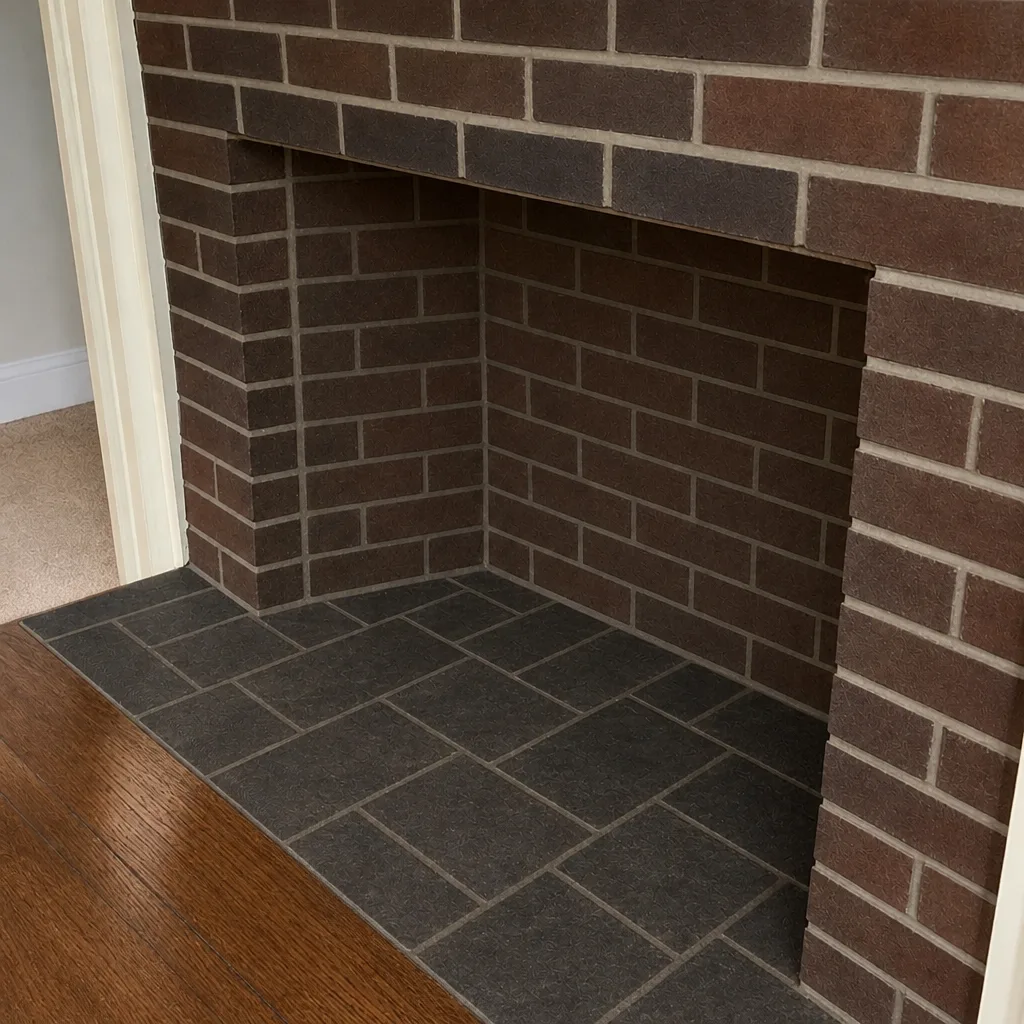
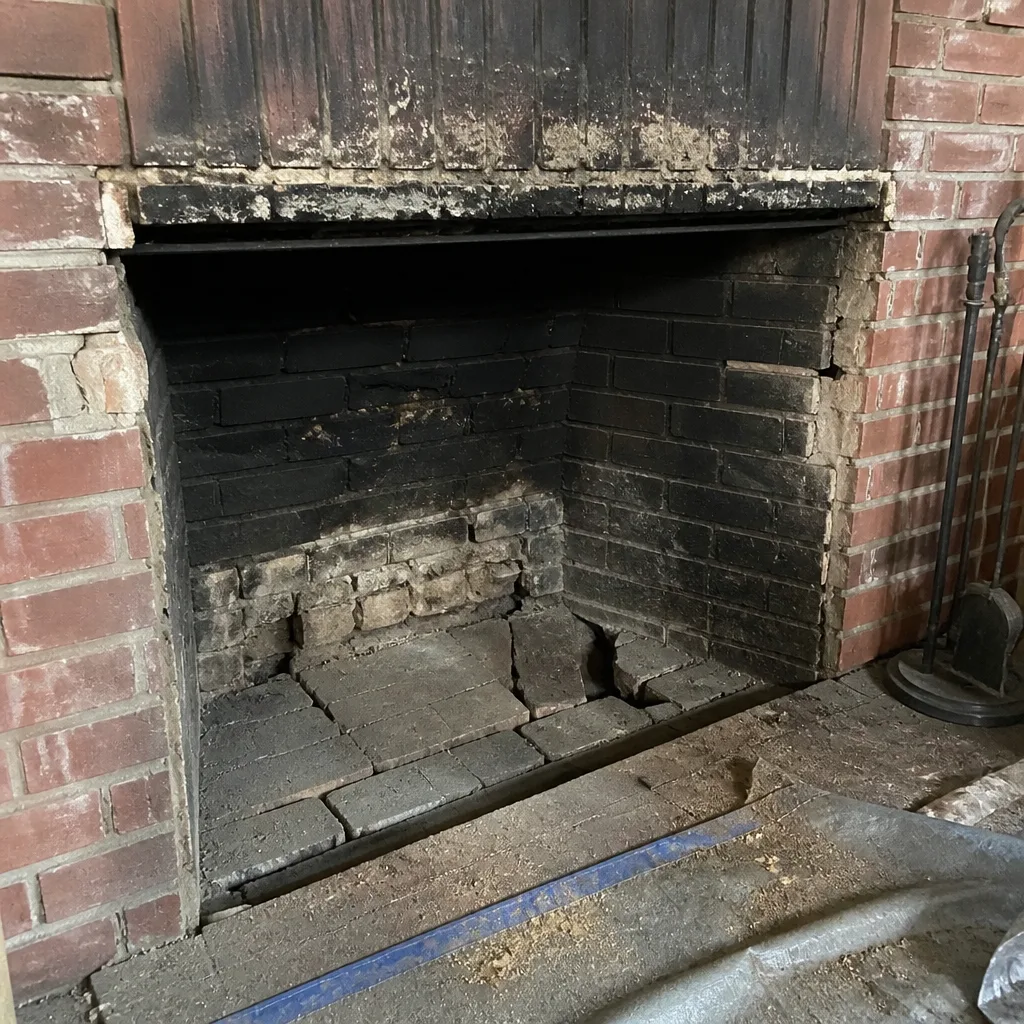
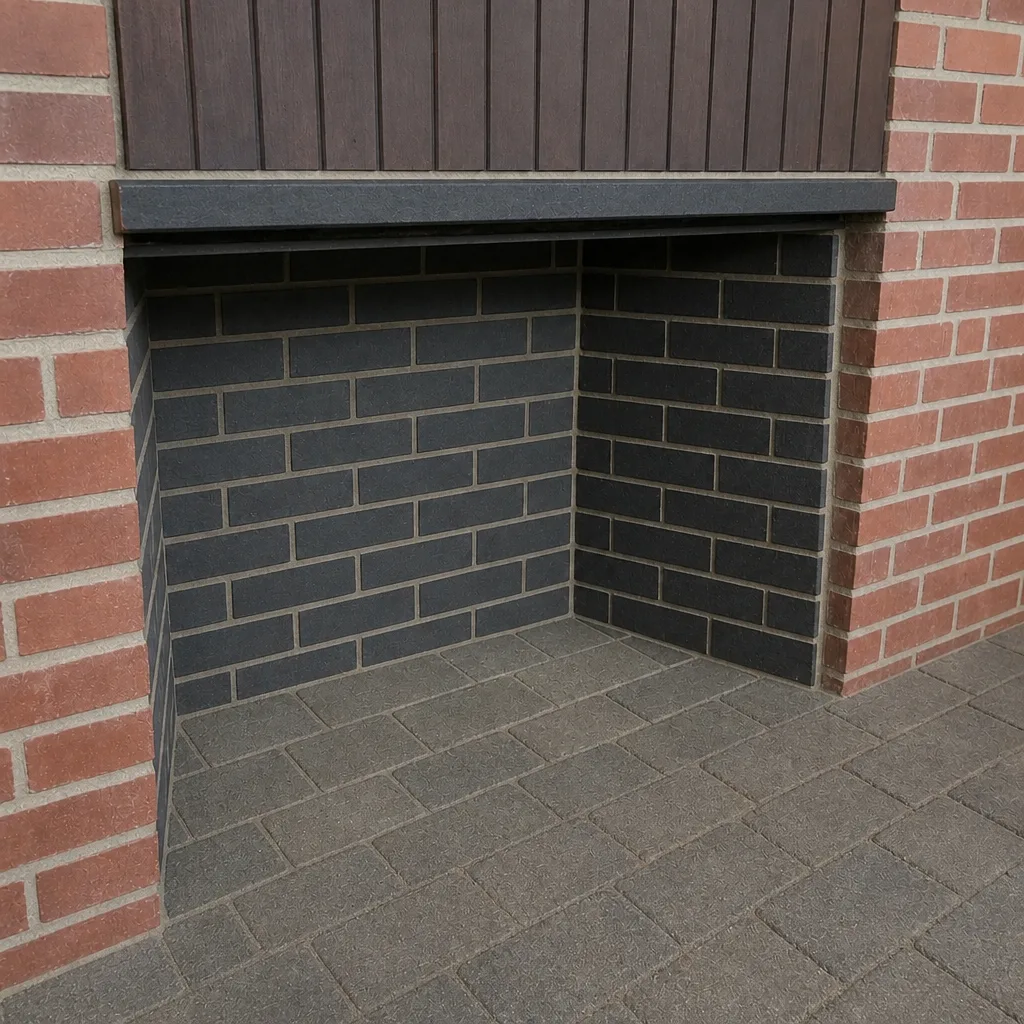
See the difference
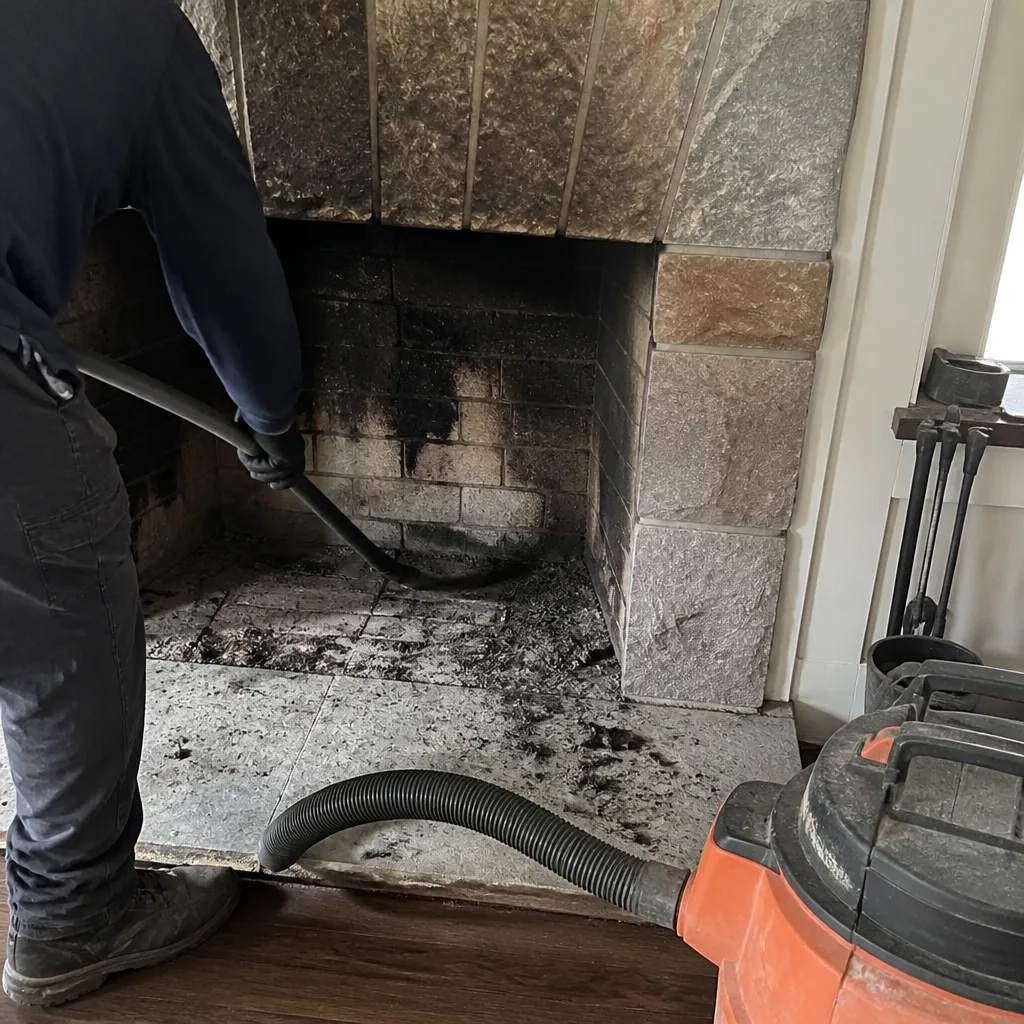 Before
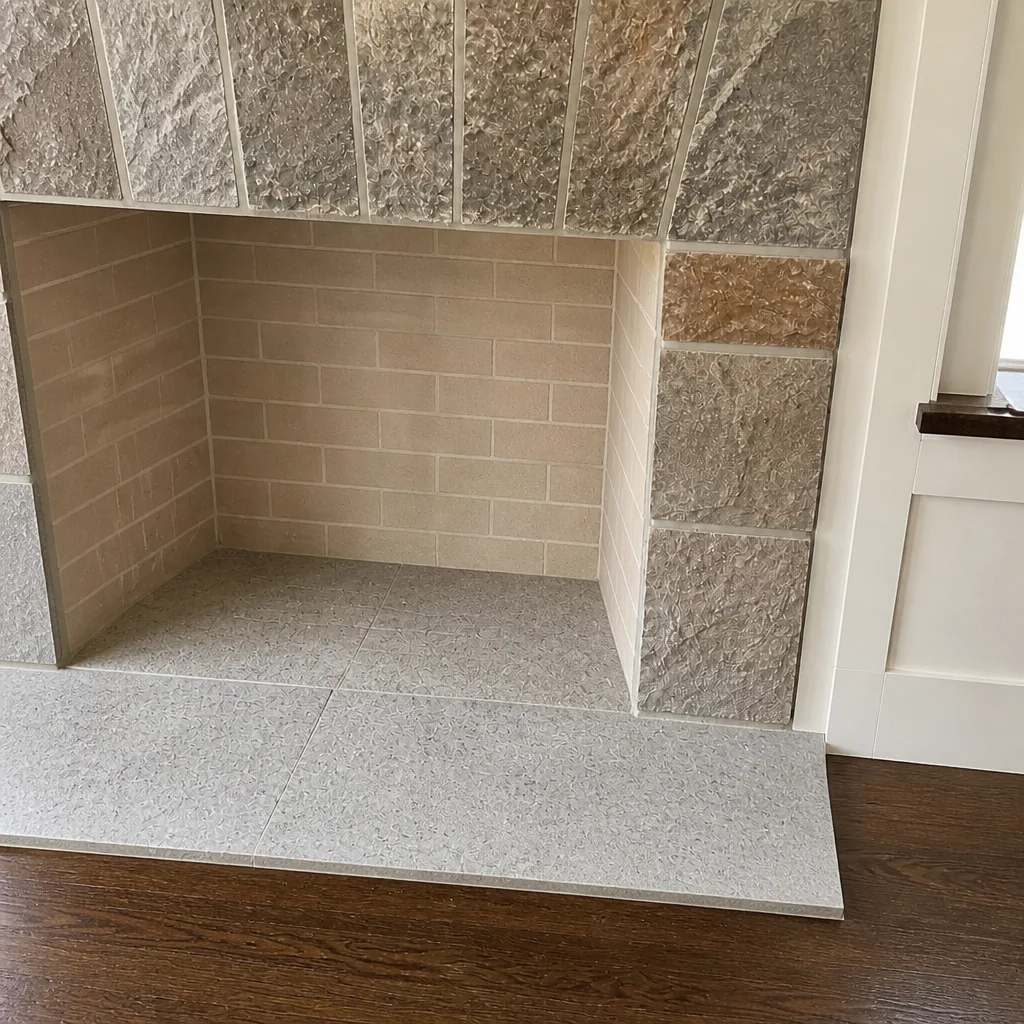 After
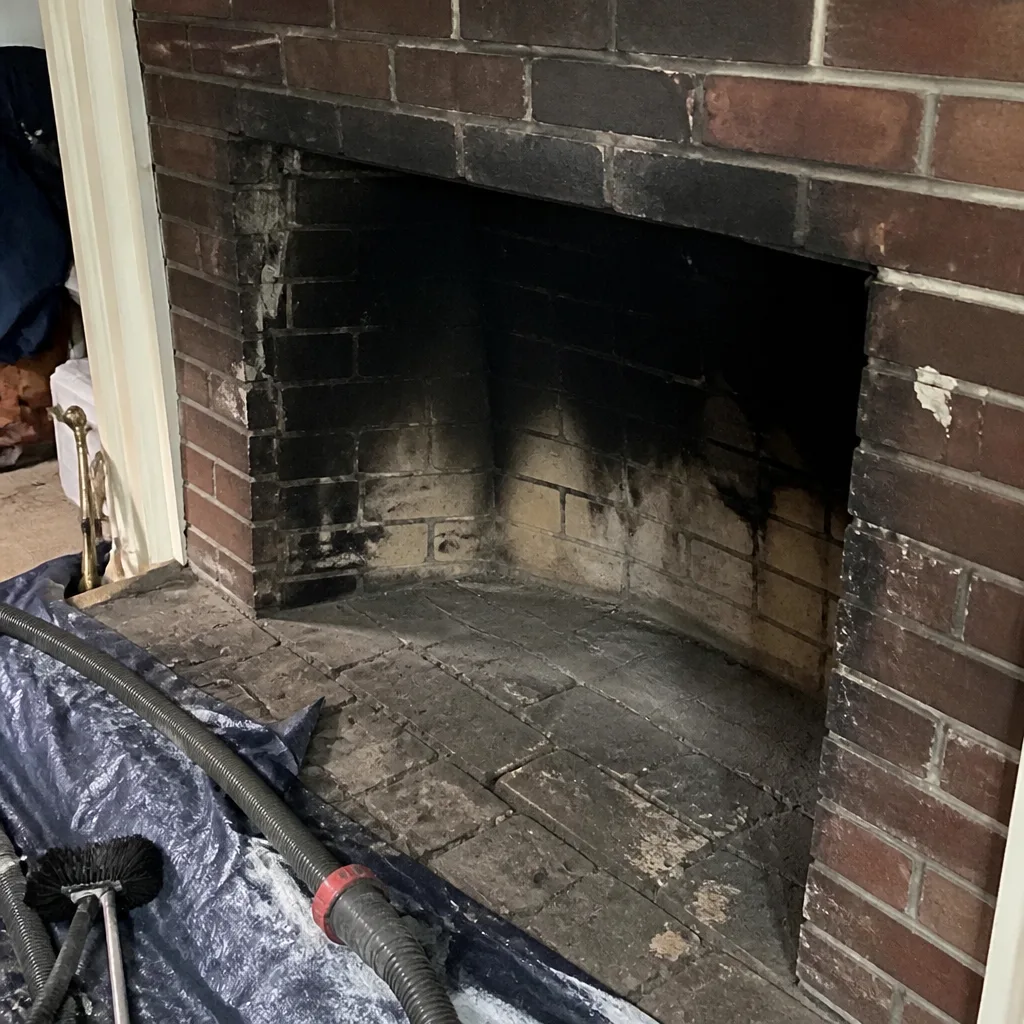 Before
 After
 Before
 After
When to Call a Professional
Some chimney conditions are routine maintenance, and some need a trained eye before they get worse. Call a professional if you’ve had a chimney fire, even a small one, because the liner needs inspection afterward. Call if you notice draft problems, smoke backing into the room, or a smell that doesn’t clear. Call if you see water staining on the ceiling near the chimney or crumbling mortar at the crown. Call if your annual sweep is overdue and you burn wood regularly, since creosote accumulation is the main fuel for chimney fires. Call if a previous inspection flagged a defect and you haven’t had it addressed. And call if you’re buying a home in Pelham Bay and want the chimney evaluated before closing. Chimney Sweep Pelham Bay offers free estimates in Pelham Bay. Call (877) 820-9084. We answer 24/7. Fast dispatch from 7am to 7pm, Sunday through Friday.
Frequently Asked Questions
A standard chimney sweep in Pelham Bay is typically priced per job by a written estimate, and the estimate is free. The price depends on the flue configuration, the level of creosote buildup, and whether an inspection with video footage is included. Ask for the written estimate before booking so you know exactly what’s covered. Call (877) 820-9084 for an exact quote.
CSIA certification is a strong baseline because it confirms the technician has passed an exam on inspection procedure, sweeping technique, and venting fundamentals. What it doesn’t confirm is repair capability. Ask separately about repair experience and what liner systems the company installs. A certified technician at a sweep-only company still can’t reline your chimney. Call (877) 820-9084 and we’ll walk you through what our technicians hold and what each credential covers.
Most wood-burning chimneys should be swept annually, and more often if you burn heavily or notice draft problems. The inspection that comes with the sweep is what catches liner and crown issues before they become repairs. Pelham Bay’s older masonry chimneys benefit from that annual look because small cracks and mortar deterioration are easier to address early. Call (877) 820-9084 to schedule a sweep and inspection.
A sweep removes creosote and debris from the flue. An inspection evaluates the condition of the full system: liner, crown, cap, firebox, and venting. A video inspection adds camera footage of the flue interior, which is what turns a recommendation into evidence. A full-system company does both in one visit. Call (877) 820-9084 to book a sweep and inspection together.
Sometimes, yes. A liner that’s cracked or deteriorated but structurally sound can often be restored with a ceramic resurfacing system rather than demolished and replaced. HeatShield is one such system, and it’s used by credentialed chimney professionals to restore liner integrity without a full rebuild. Whether resurfacing is appropriate depends on the extent of the damage, which is why the video inspection matters. Call (877) 820-9084 for an assessment with footage you can see.
Ask to see the video footage of the flue. A legitimate finding can be shown on camera, and a company confident in its recommendation will show you without hesitation. Get a second estimate and compare the findings rather than the prices. If both companies identified the same condition, the finding is probably real. If you can’t see the evidence, don’t authorize the work. Call (877) 820-9084 for an inspection with documented findings.
The Bottom Line
Brand recognition is a marketing signal, not a quality guarantee. The chimney company worth hiring in Pelham Bay is the one that can inspect with video, diagnose the full system from crown to firebox, and complete the repair in-house with professional-grade materials. Look for certifications and ask what each one covers. Ask about repair capability before you ask about price. Read reviews for technical detail and follow-up work, not star averages. Use a second estimate to validate findings, not just to compare numbers. And when a recommendation comes with footage you can see, you can trust the work that follows. That’s the standard that actually protects your chimney.
If your annual sweep is due or you’ve noticed a problem you want a real diagnosis on, we’re ready to help. Call (877) 820-9084 for a free estimate. We answer 24/7. Fast dispatch from 7am to 7pm, Sunday through Friday.
Written by the team at Chimney Sweep Pelham Bay.