
Last updated November 25, 2026
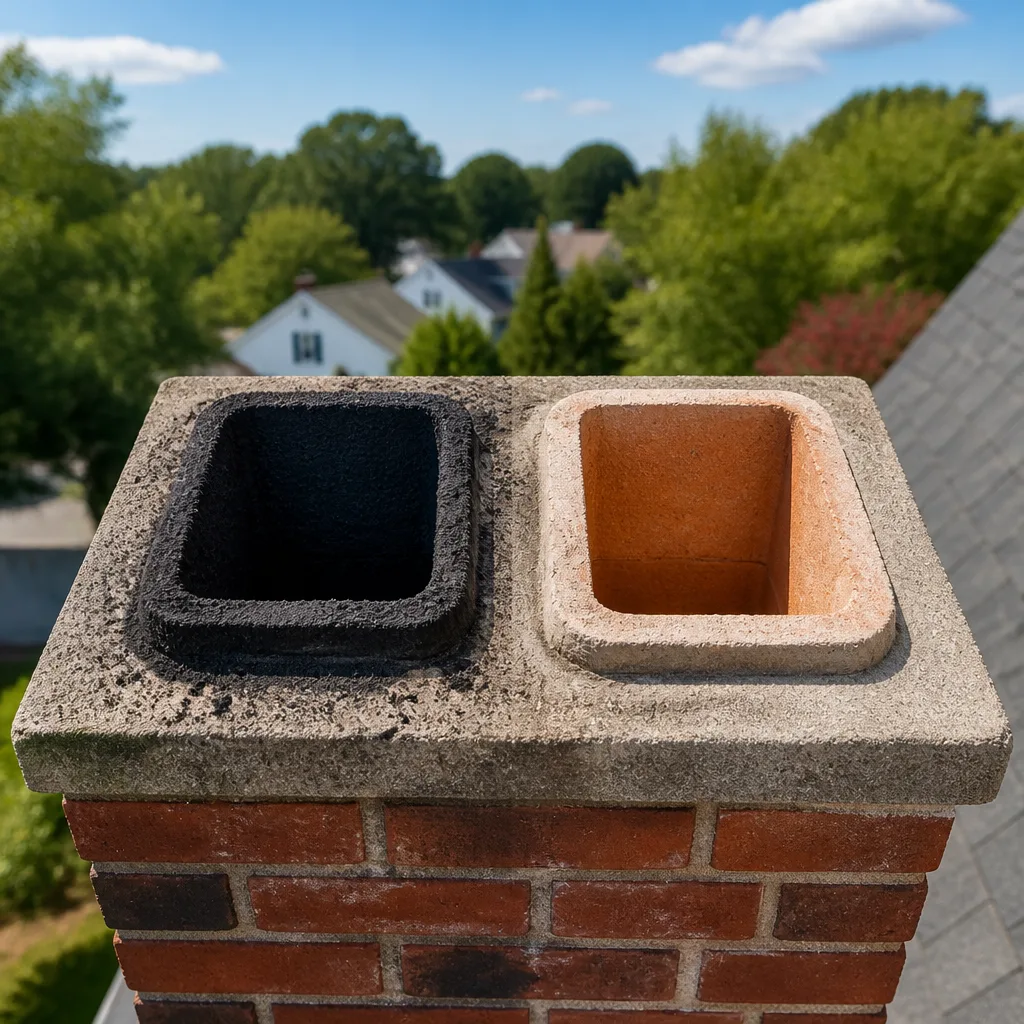 Sweep & inspection
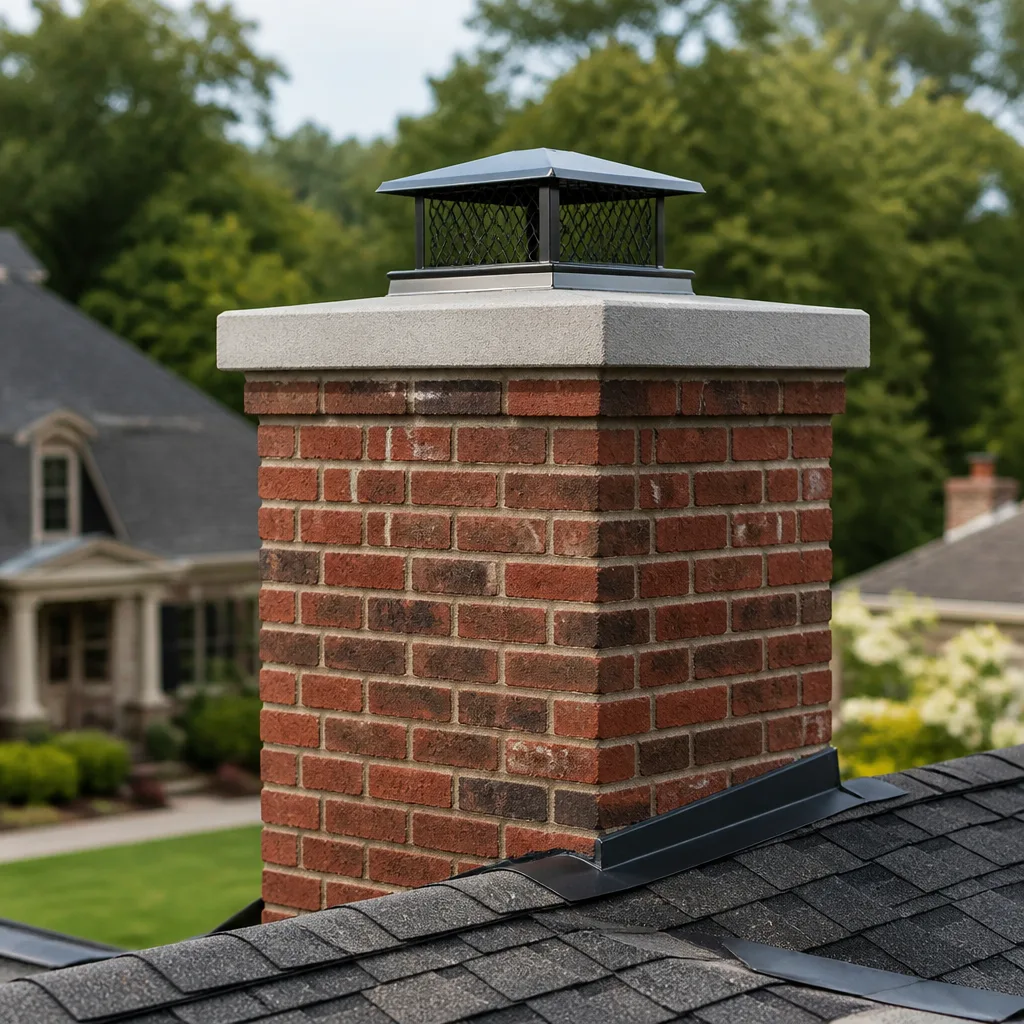 Caps & crowns
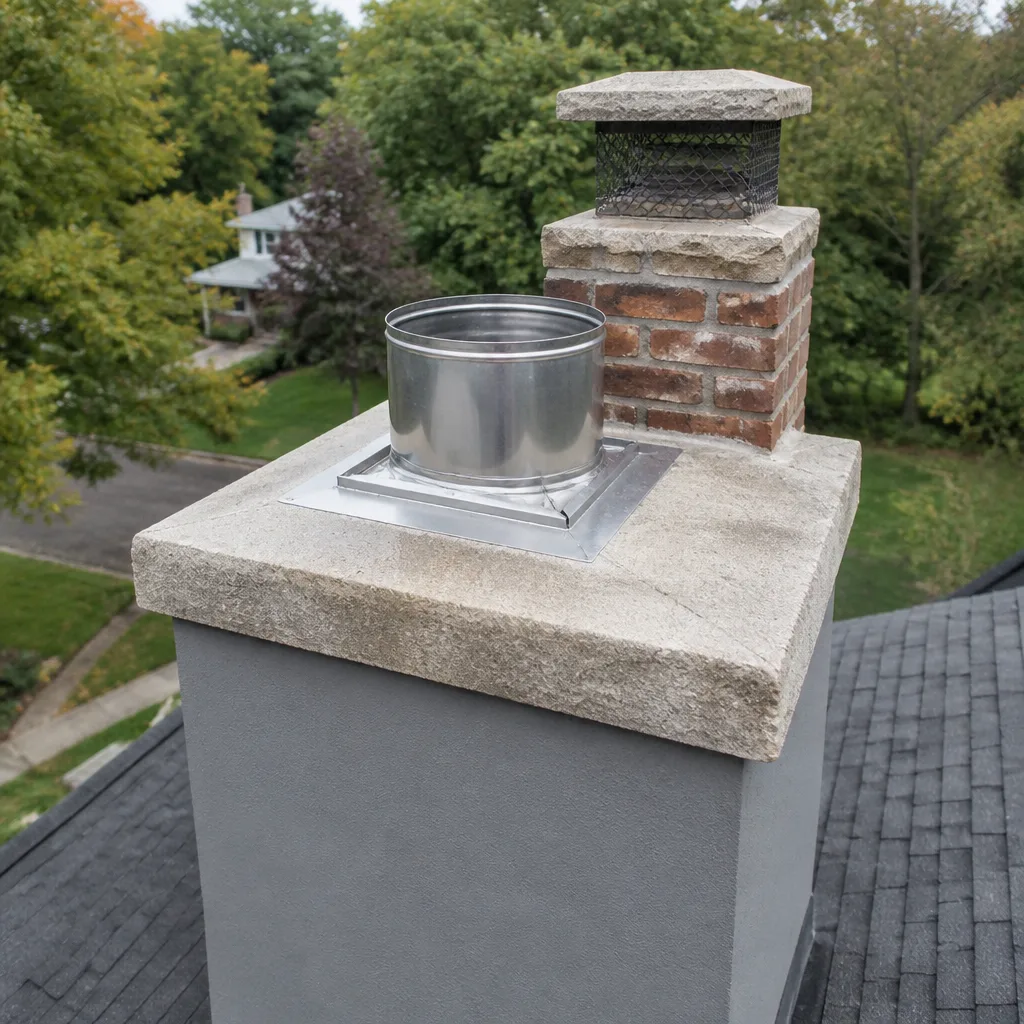 Flue relining
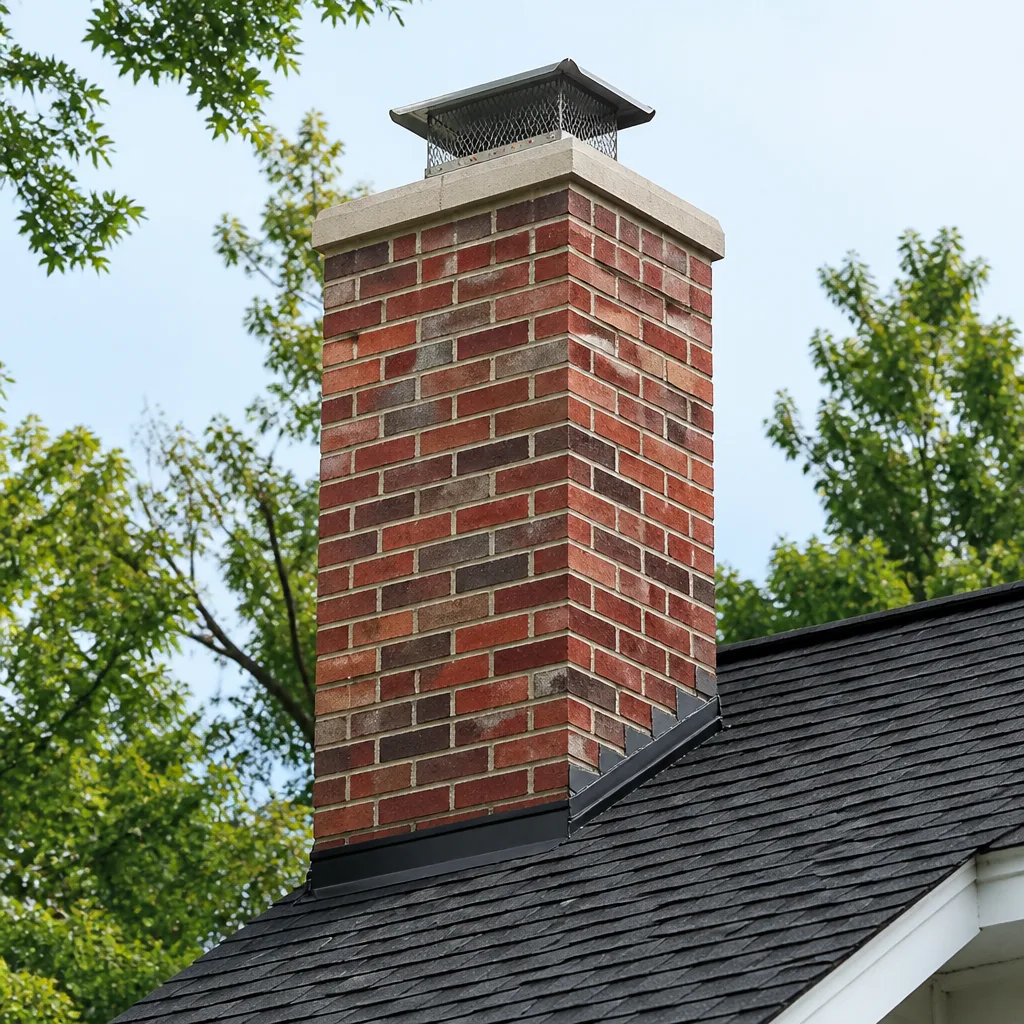 Masonry repair
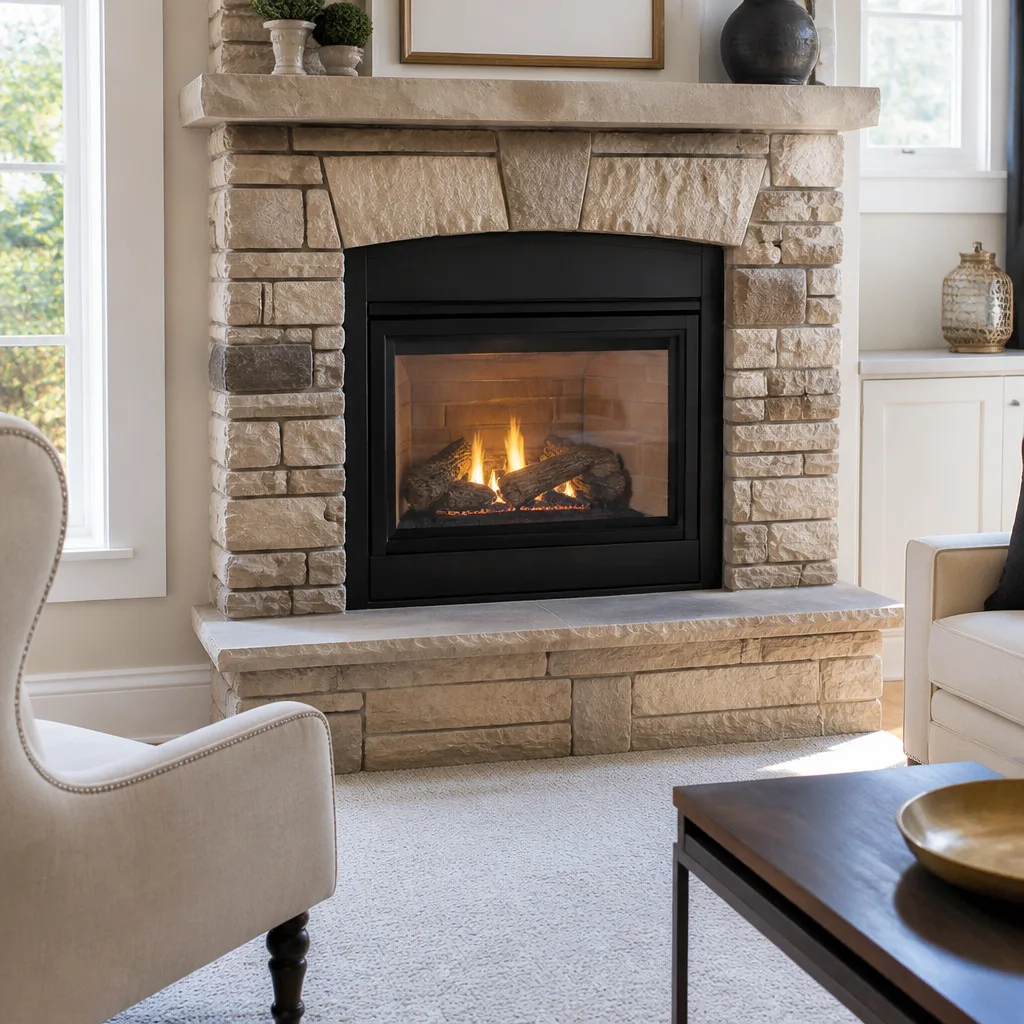 Gas fireplace service
Level 1 sweep and inspection to the NFPA 211 annual standard - flue, crown, cap, and flashing checked and photographed
Chimney sweep logs do not sweep chimneys. They loosen some creosote - which then falls where a brush and vacuum still have to collect it.
Chimney Sweep Maintenance Schedule: What to Do and When
Plenty of homeowners believe a yearly sweep is a maintenance schedule. It isn’t. An annual cleaning is a minimum floor, and for a lot of Pelham Bay houses that floor sits dangerously low. Think about the home that switched from oil to gas and stopped calling anyone because gas burns clean. That liner now sees acidic condensation it was never built to handle. Or the house with a wood insert pushed into an old clay flue sized for a different fire. The same sweep cadence that works for one neighbor can miss the problem quietly rotting away in another. What follows is a calendar built around how you actually burn, what your liner is made of, and which fuel feeds it. This is the maintenance plan we’d hand a homeowner in Pelham Bay if we could only give them one page.
Styles & brands we work with
- Sweep & inspection
- Caps & crowns
- Flue relining
- Masonry repair
- Gas fireplace service
Quick Answer
A real chimney maintenance schedule combines an annual professional inspection, a sweep timed to how much you burn (roughly every cord of wood, or once a year for most wood burners), and seasonal checks in spring and fall for the cap, crown, and flashing. Gas and oil flues still need annual inspection even though they produce little visible soot, because the damage those fuels cause is corrosive rather than dirty. The cleaning is the easy part. The schedule is what protects the chimney between visits.
Table of Contents
- Why one annual sweep isn’t enough
- Maintenance intervals by fuel type
- The seasonal calendar: spring, fall, and after storms
- How liner material decides inspection depth
- What you can check yourself between visits
- Building a maintenance log that catches problems early
- Common mistakes to avoid
- When to call a professional
Why one annual sweep isn’t enough
The one-sweep-a-year model treats every chimney as if it were the same chimney. It isn’t. A fireplace that sees three cords of hardwood every winter builds up creosote at a very different rate than a gas log set that runs a few evenings a month. A clay tile flue from the middle of the last century behaves nothing like a modern insulated stainless liner. And the damage homeowners discover is rarely the dramatic kind. It’s usually progressive: a hairline crack in the crown, a failing mortar joint, a liner flaking from the inside out. None of that announces itself. It accumulates.
In our experience across Pelham Bay, the homes with the worst internal damage are often the ones that were “swept every year.” They were cleaned, and cleaning was all anyone did. No one opened the camera, probed the liner, or looked at the crown after a winter of freeze-thaw. The schedule matters because it forces those checks onto the calendar instead of waiting for a symptom to get loud enough to notice.
There’s a second reason the simple model fails here. Pelham Bay’s housing stock includes a lot of older masonry chimneys, and many have been adapted over the years: oil furnaces swapped for gas, open fireplaces fitted with inserts, flues shared or rerouted. Each of those changes altered the heat and moisture profile that liner was originally sized for. A maintenance schedule that ignores the conversion misses the whole point. You’ll find more on the cleaning side of that work on our chimney sweep page, but the schedule is what we’re building here.
Treat this guide as a framework, not a rigid rulebook. It gives you the triggers: how much you burn, what fuel you burn, what your liner is made from, and what the seasons do to the outside of the chimney. Those four inputs point to when a professional should be looking and what they should be looking for.
Maintenance intervals by fuel type
Fuel type is the first and most important variable in any schedule. How much soot, creosote, and moisture a chimney sees depends almost entirely on what’s burning in it. Here’s how the four common fuel types break down.
Wood-burning fireplaces and stoves
For wood, cadence should follow cords burned, not the calendar. A rough working guide we use is one professional sweep for every cord of wood burned, and at minimum once a year during the heating season. If you burn two or three cords in a hard winter, you’re due more often. Seasoned, dry hardwood produces less creosote than green or unseasoned wood, so the quality of what you burn changes the schedule too. Your chimney repair timeline depends on catching creosote glaze before it damages the flue, which is why the cord-count rule beats the once-a-year habit.
Gas appliances and gas inserts
Gas burns clean in the sense that it produces almost no soot, which is exactly why so many homeowners stop scheduling service. That’s the trap. Gas exhaust is acidic, and in a flue not designed for it, that vapor condenses and attacks the liner. The result is corrosion and spalling, not a sooty mess you can see. Annual inspection is the standard whether or not the flue looks dirty. We check for moisture staining, liner deterioration, and venting problems that don’t produce visible clues.
Oil furnaces
Oil flues generate soot and sulfur-bearing deposits and need annual inspection and cleaning timed to the heating season. An oil-to-gas conversion is one of the most common changes we see in older Pelham Bay homes, and it’s often done without any adjustment to the flue that served the old oil furnace. If a home made that switch, the liner is almost certainly due for a professional look before the next cold season, not after.
Pellet stoves
Pellet stoves burn efficiently and produce less creosote than cordwood, but they still need annual inspection, plus more frequent attention if the venting runs through an older flue. Fly ash and moisture combine in ways that clog and corrode, especially where the vent terminates. The triggers here are the vent configuration and the burn rate, not a fixed number of bags.
The takeaway: every fuel type needs an annual inspection. The one that surprises people is gas, because the damage is invisible from the inside of the firebox and easy to ignore when nothing in the house feels wrong.
The seasonal calendar: spring, fall, and after storms
The sweep handles the inside. The seasons handle the outside, and that’s where a lot of avoidable damage gets its foothold. Think of the year in four touchpoints.
- Spring, after the heating season ends. A freeze-thaw winter is hard on masonry. Water gets into small cracks, freezes overnight, expands, and widens the gap. Once the burning stops, that’s the moment to inspect the cap, crown, and flashing while the damage is still cosmetic. A cap that shifted or a crown that spider-cracked over the winter gets caught here, before spring rain finds its way in.
- Fall, before the first fire. This is the crown check before heating season. Look over the mortar, the crown surface, and the cap from the ground with binoculars, then have a professional probe anything that looks questionable. The fall visit also confirms the flue is clear and the damper works before you light up.
- After major storms. Wind and falling debris are the two outside threats that show up overnight. A post-storm look at the roofline catches a displaced cap, a knocked-out brick, or a cracked crown while it’s still a quick fix. You can read more about moisture defense on our chimney cap & crown page.
- Mid-season, at the halfway point. For heavy wood burners, a mid-winter look at the firebox, damper, and smoke chamber makes sense. This is the point where a creosote glaze can build up unnoticed. It’s also when draft problems tend to surface.
Two of these are seasonal inspections the homeowner can largely manage on their own: the fall pre-season check and the post-storm look. The spring crown inspection and any probing of the mortar or flashing should be done by someone who knows masonry. What you don’t want to do is skip spring because the flue feels clear and call it done. The freeze-thaw cycle doesn’t care that the inside is clean.
One useful habit: pair the seasonal check with something already in your routine, like a fall furnace tune-up or a spring gutter cleaning. An external trigger is more reliable than a mental note that never gets acted on.
How liner material decides inspection depth
Not every inspection is the same inspection. The depth a technician goes to depends on what the flue is lined with, and each material has its own failure mode. Skipping this step is how an inspection becomes a quick look instead of a real one.
- Clay tile liners. These need an annual visual probe plus a camera scan when anything looks off. The failure mode is cracked or spalled tile and failed joints. On older Pelham Bay chimneys, this is the most common liner we meet, and it’s the one most often hiding a problem behind an apparently clean flue.
- Stainless steel flexible liners. These need a moisture and joint check, especially at the top plate and where sections join. The failure mode is corrosion at the joints and around the cap, not a hole in the middle. DuraFlex flexible systems handle offset or irregular flues that rigid liners can’t navigate, but even a good flexible liner needs its joints checked, not just its body.
- Cast-in-place liners. These need a load-bearing assessment, because the lining material and the structure behind it can separate. The failure mode is a crack or a hollow section that looks intact from the firebox but fails a camera scan.
Then there’s the condition of the liner itself. When an inspection turns up a flaking or cracked clay flue but the structure is otherwise sound, the answer isn’t automatically a full demolition-and-relining job. HeatShield ceramic resurfacing is a repair path we use to restore liner integrity without tearing out the chimney. It’s the kind of option most sweep-only companies can’t offer, because the repair simply isn’t in their toolkit. The point for the schedule is this: a resurfacing candidate inspected at the right interval stays a resurfacing candidate. The same flue left too long may become a rebuild.
One system, five jobs
The reason this matters to a maintenance schedule is that a full-system inspection feeds directly into repair capability. Finding a failing liner is only useful if the same specialist can restore it, replace it, or cap it properly. That’s why we handle sweep, inspection, cap and crown, chimney repair, and fireplace repair as connected work rather than separate calls. You can see how the whole picture hangs together back at Chimney Sweep Pelham Bay.
What you can check yourself between visits
You don’t need a camera to notice the early signs, and you don’t need to do anything dangerous to keep an eye on things. The right approach is observation, not repair. Here’s what to look for and where the line sits.
From the firebox: safe to observe
- Look for rust or dark staining on the damper or firebox walls. That’s a moisture clue pointing to a leak above.
- Watch for a draft that’s gotten weaker or a fire that smokes back. Draft problems often start small and worsen as buildup accumulates.
- Check for crumbling mortar or zipper-like lines of missing joint material between bricks at the firebox corners.
- Note any new smells when the chimney isn’t in use. A damp, smoky odor in warm months usually means moisture or buildup is sitting in the flue.
From the roofline: safe to observe
From the ground with binoculars, you can check the crown for cracks, the cap for a displaced lid or loose mesh, and the flashing where the chimney meets the roof. You can also look for missing bricks or a speckled, white, or blackened crown surface. Note anything you see and describe it when the technician arrives.
Requires a camera scan or an on-roof inspection
What you can’t judge from the firebox or the ground is the liner’s interior. Cracks in clay tile, corrosion at stainless joints, and separation in cast-in-place liners are all hidden. So is the creosote glaze on an upper flue wall. Those require a camera scan because the human eye can’t reach them without it. Don’t guess at the inside. Let a technician run the camera and show you what it finds. That’s the whole point: you get to see the evidence for yourself, not just take someone’s word for it.
Building a maintenance log that catches problems early
The single most useful document you can keep isn’t a cleaning receipt. It’s a running log of what changed from year to year. A technician who can see the last five years of records spots progressive deterioration that a single inspection misses. And a homeowner with a log can ask better questions and push back on unnecessary work.
Here’s the framework we’d suggest, kept in a folder or a notes app:
- Date and service. Note every sweep, inspection, and repair. Include who did it and what they found, not just that it happened.
- Fuel type and burn volume. Record what you burn and roughly how much, in cords, bags, or heating months. That figure drives the schedule more than anything else.
- Liner type and camera findings. Note the liner material and what the camera saw. Two consecutive scans that both show liner joint wear confirms a trend. Two scans with no change tells you the flue is holding.
- Moisture observations. Note any staining, rust, or odor and when it appeared. Seasonal patterns (spring vs. after a storm) matter for diagnosis.
- Repairs completed and date. A resurfaced liner, a new cap, or a replaced crown changes how you inspect it. Documenting the repair keeps you from missing a follow-up check.
The value shows up over years, not months. A technician comparing this year’s camera scan to the last one can tell whether a small crack is stable or growing. Without the log, each inspection is a fresh snapshot with no context, and that’s how progressive damage slips through. You can also use the log to prepare for a repair conversation. You’ll know what was previously checked and what was found, which strips the guesswork from any recommendation.
Common Mistakes to Avoid
- Treating the annual sweep as the whole schedule. The sweep cleans the flue, but it doesn’t check the crown, the cap, or the liner material. A homeowner who schedules only a cleaning every year leaves the outside of the system unexamined.
- Assuming gas means no service. Gas produces acidic vapor, not soot, so the damage is invisible from the firebox. The quiet, clean-looking gas flue is often the one that needs inspection most.
- Hiring a sweep without a camera. A sweep who never runs a camera can’t see what’s happening inside the liner. Without photographic evidence, a repair recommendation is impossible to verify, and you’re asked to trust a claim you can’t check.
- Skipping the spring crown inspection after freeze-thaw. Winter cracks the crown and widens small gaps. Spring is the best time to catch the damage before the rainy season drives water into masonry.
- Letting a small liner problem age into a rebuild. A flaking clay flue that would take HeatShield resurfacing to restore two years ago can become a full relining job when left alone. The schedule exists to catch these when they’re still restorable.
- Never keeping records. Two identical-looking scans are only meaningful when compared. Without a log, a technician can’t tell progressive wear from a fluke.
- Burning unseasoned wood to save time. Wet wood produces far more creosote and defeats the cord-count schedule. The fuel quality is part of the maintenance plan, not separate from it.
When to Call a Professional
Some signs should put a call at the top of your list. A stronger smoky odor in warm months, visible rust or staining in the firebox, a draft that’s weakened, or any crack or spalling on the crown. If you’ve had a chimney fire scare, changed fuels, or moved into a home where the service history is unknown, call before the next heating season. If your camera-visible symptoms point to liner damage, that’s exactly the situation to schedule a full-system inspection, because findings and repair belong in the same visit.
The other trigger is a failed inspection where the answer is “here’s the camera footage.” That evidence should be in front of you, not summarized. Chimney Sweep Pelham Bay offers free estimates in Pelham Bay. Call (877) 820-9084. We answer 24/7. Fast dispatch from 7am to 7pm, Sunday through Friday.
Frequently Asked Questions
Most wood-burning chimneys need a sweep about once a year, or more often if you burn more than a cord of wood. The cadence should follow how much and what you burn, not the calendar. A gas or oil flue also needs annual inspection even though it produces little visible soot. Call (877) 820-9084 for an exact schedule based on your setup.
Yes. Gas and oil produce acidic condensation and corrosive deposits rather than heavy soot, so the damage builds without visible clues. The home that switched from oil to gas and stopped scheduling service is the one we worry about. Annual inspection catches liner corrosion before it spreads. Call (877) 820-9084 to book one.
A sweep cleans the flue; an inspection examines the whole system from the crown to the firebox. That includes the cap, crown, flashing, liner, damper, and smoke chamber. We do both, and a camera scan gives you photographic evidence of anything found. Call (877) 820-9084 to schedule a full-system inspection.
Start with annual inspection, add a spring crown check after freeze-thaw, a fall pre-season check, and a post-storm roofline look. Wood burners also tie the sweep cadence to cords burned. That schedule holds up well for the older masonry chimneys common in Pelham Bay. Call (877) 820-9084 to set it up.
It depends on what the camera finds. A flaking or cracked clay liner in otherwise sound structure can often be restored with HeatShield ceramic resurfacing rather than torn out and rebuilt. A liner past that point may need relining. The scan shows which situation you’re in. Call (877) 820-9084 for a free estimate.
You can observe, but you can’t safely inspect the liner yourself. From the firebox and the roofline you can spot rust, staining, draft changes, and crown or cap problems, then describe them to a technician. The inside of the liner requires a camera scan. Call (877) 820-9084 to book one.
The Bottom Line
A real chimney maintenance schedule is built from four inputs: what you burn, how much of it, what your liner is made of, and what the seasons do to the outside of the chimney. That means an annual inspection for every fuel type, a wood sweep tied to cords burned, spring and fall checks for the crown and cap, and a running log that lets a technician compare findings year over year. The cleaning is only part of it. Restoring a flaking liner before it becomes a rebuild is the whole reason to keep the schedule honest. Our technicians have up to 15 years of experience, and we handle the full system from the crown to the firebox. Call (877) 820-9084 for a free estimate. We answer 24/7. Fast dispatch from 7am to 7pm, Sunday through Friday.
Written by the team at Chimney Sweep Pelham Bay.
See the difference
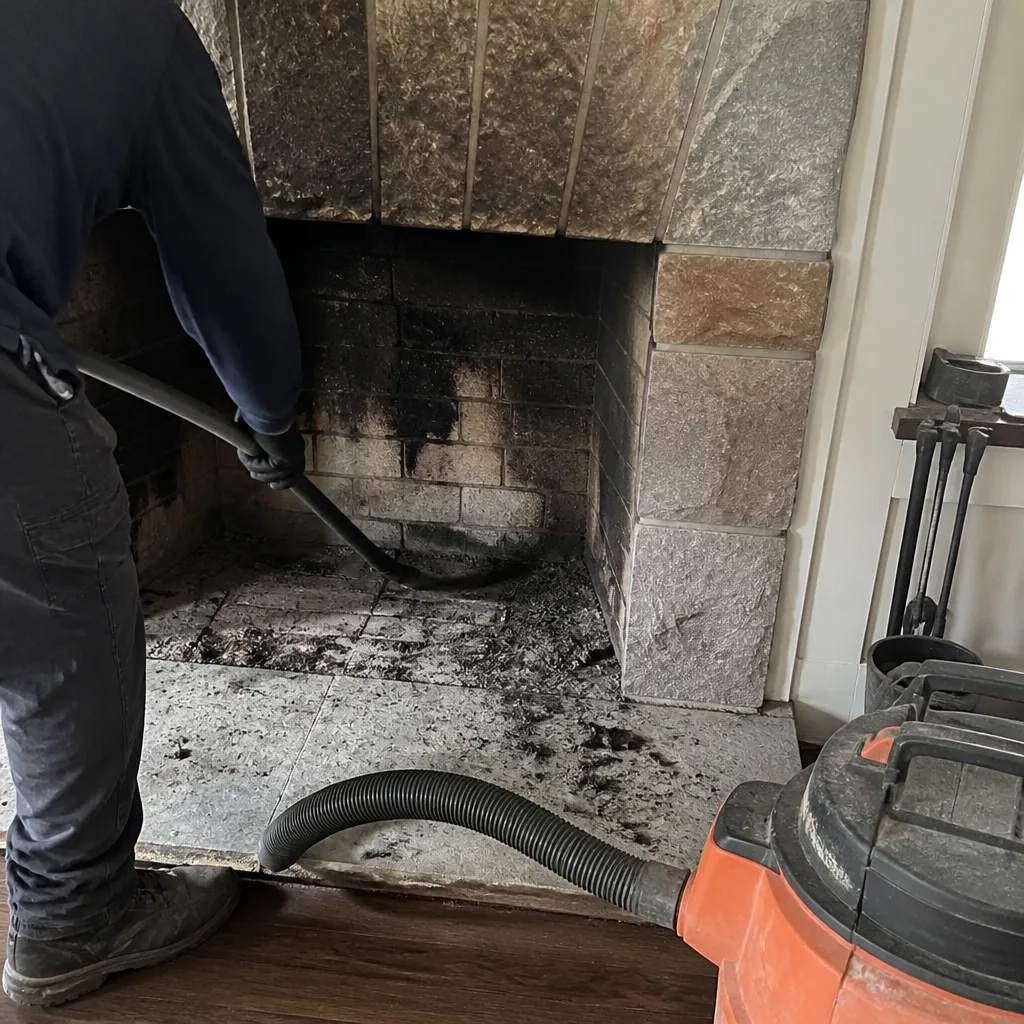 Before
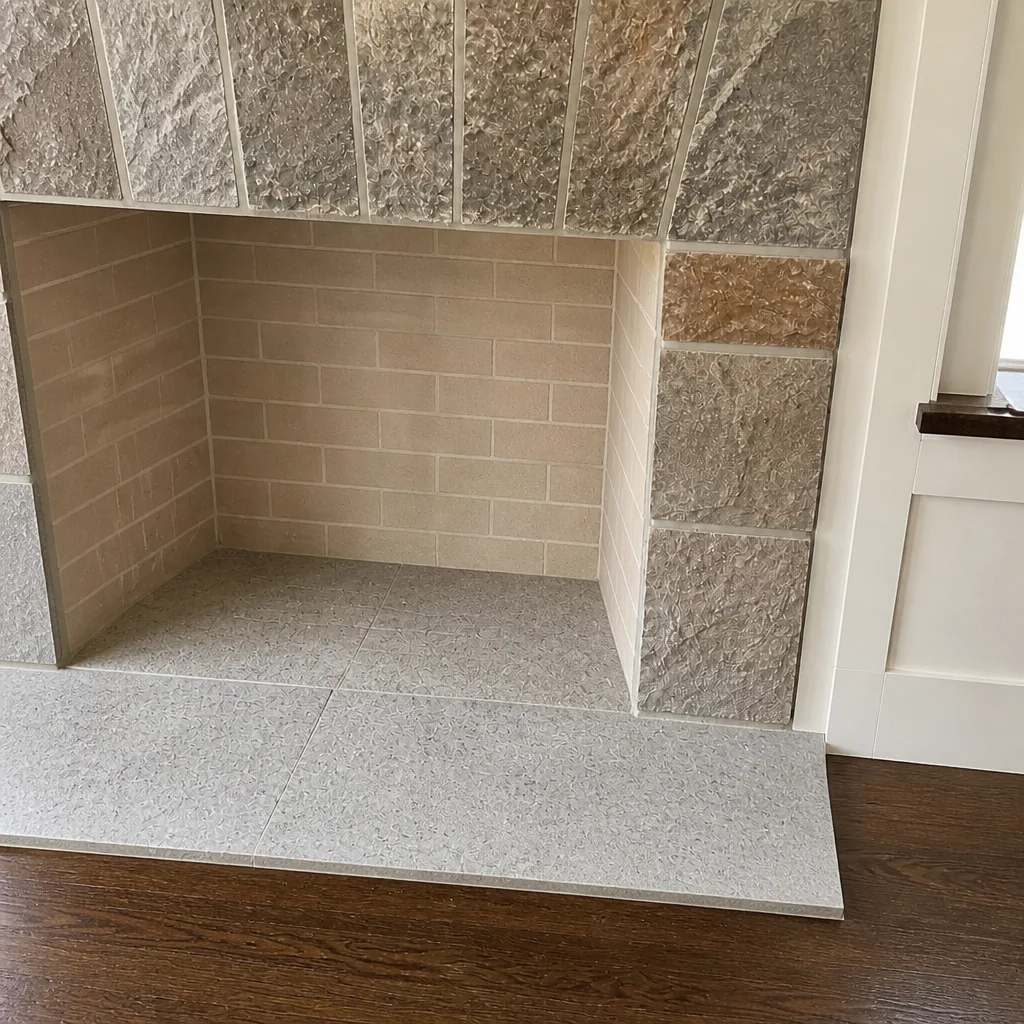 After
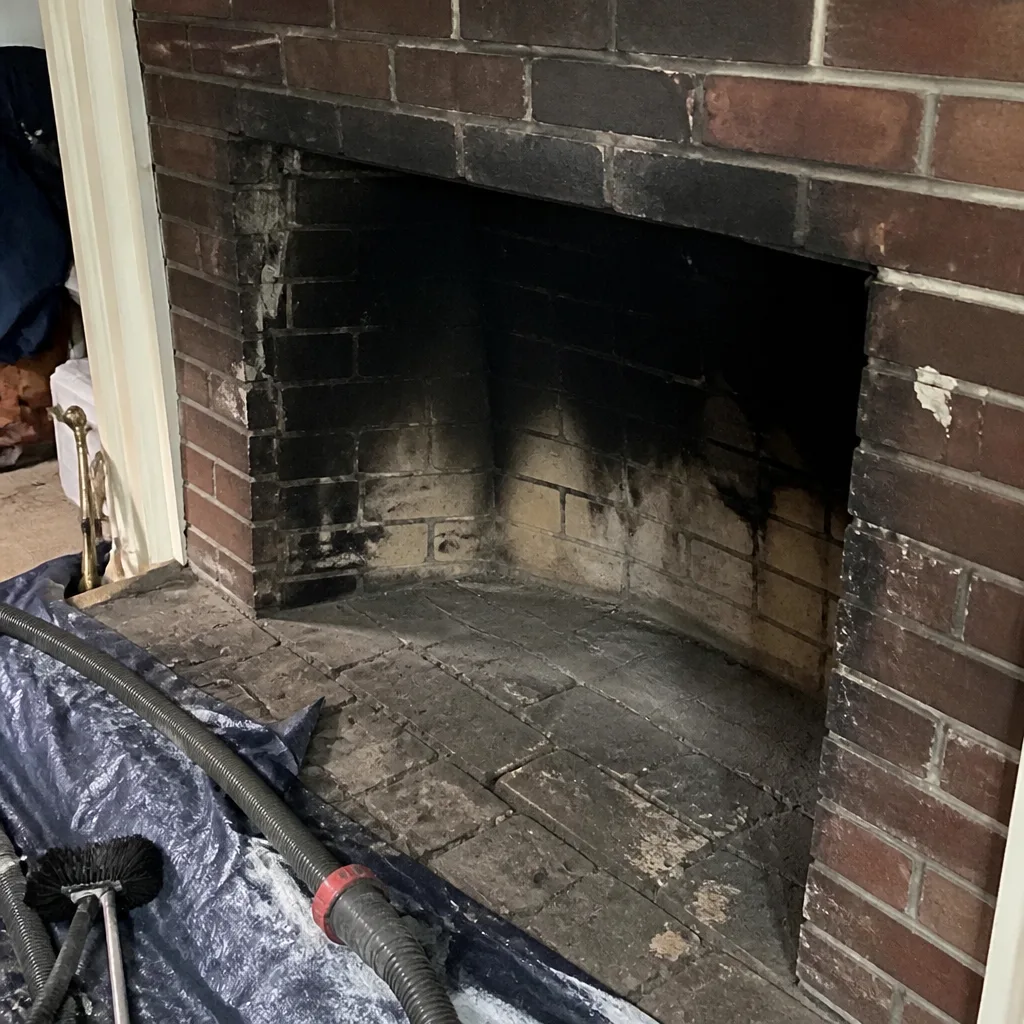 Before
 After
 Before
 After