
Last updated November 25, 2026
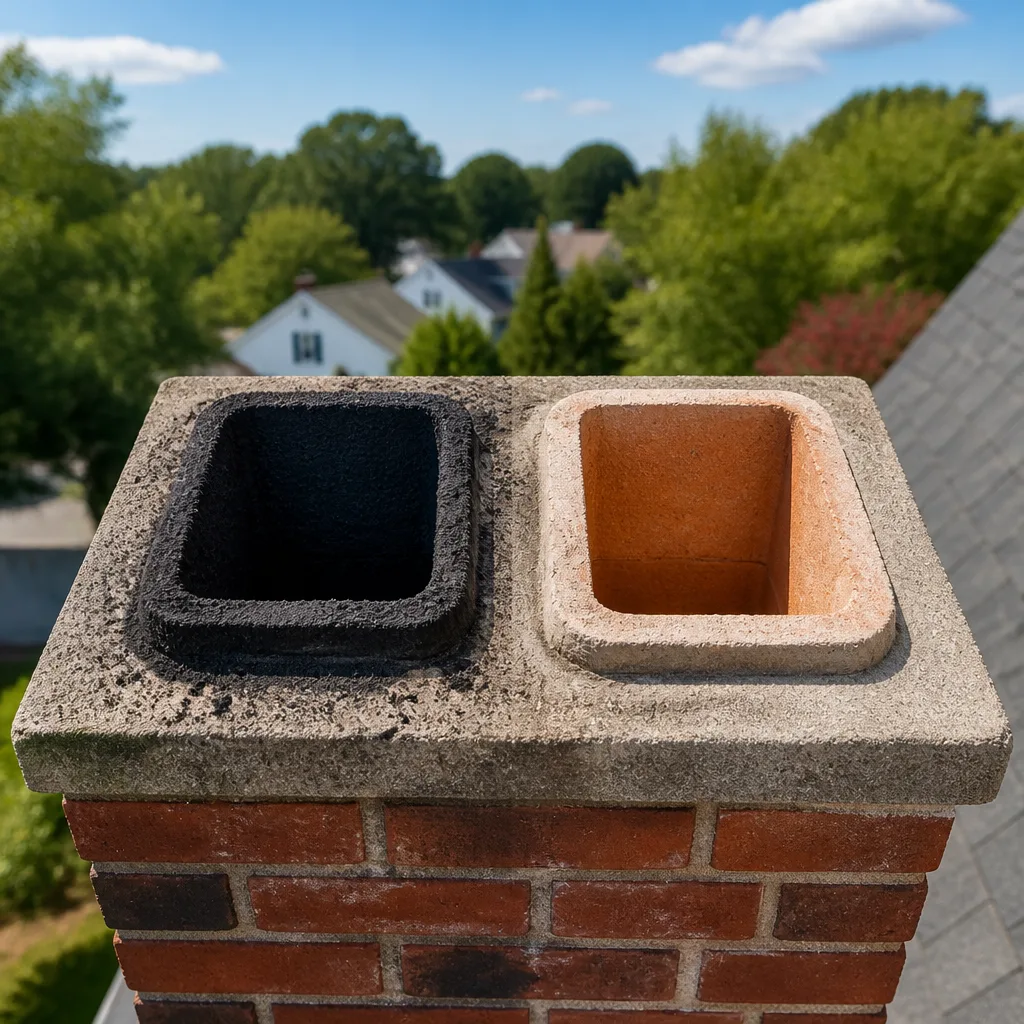 Sweep & inspection
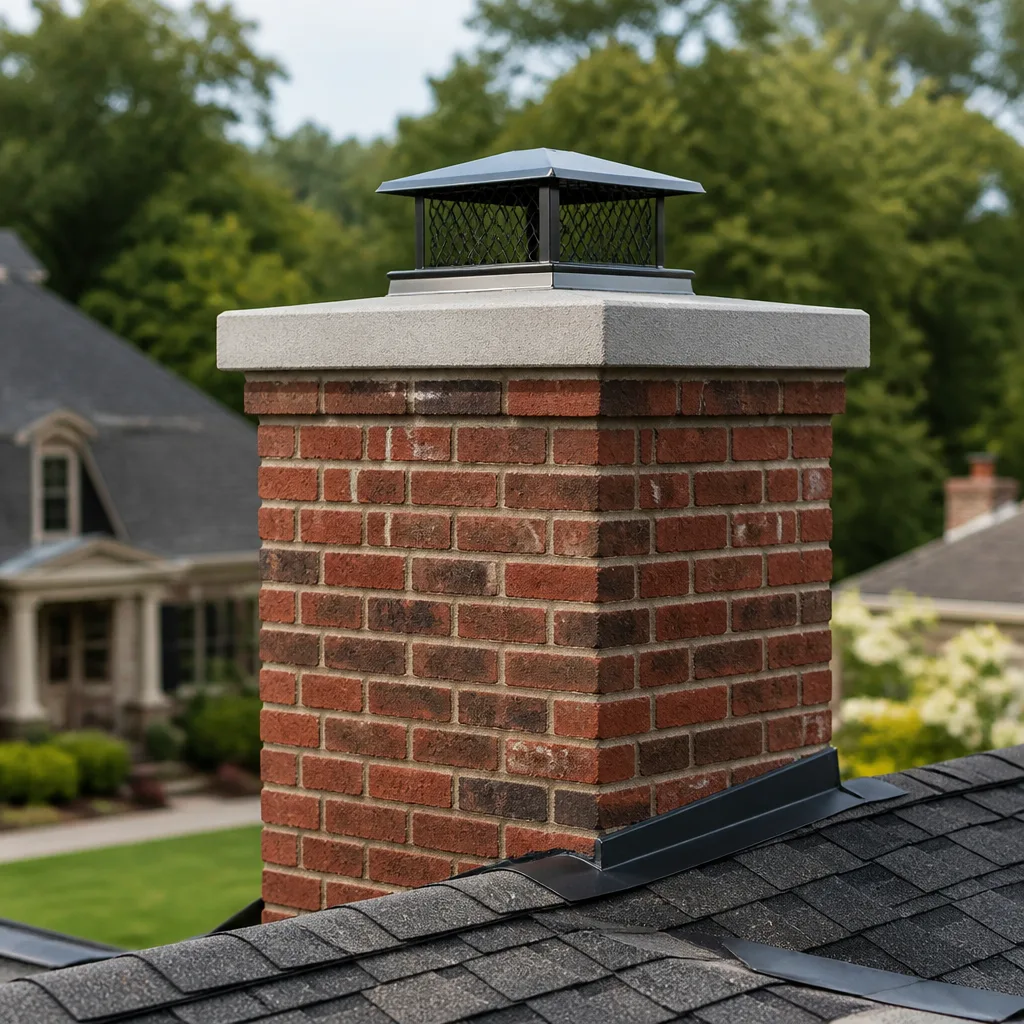 Caps & crowns
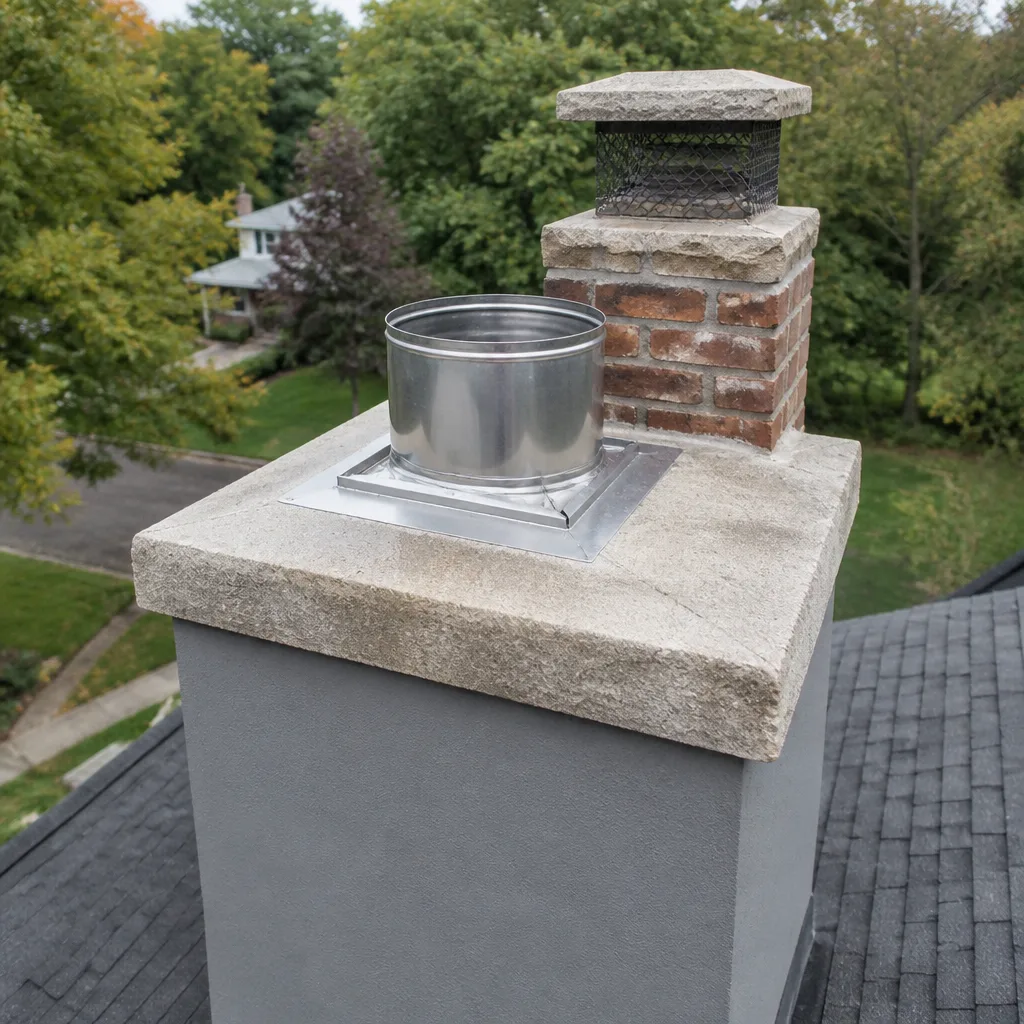 Flue relining
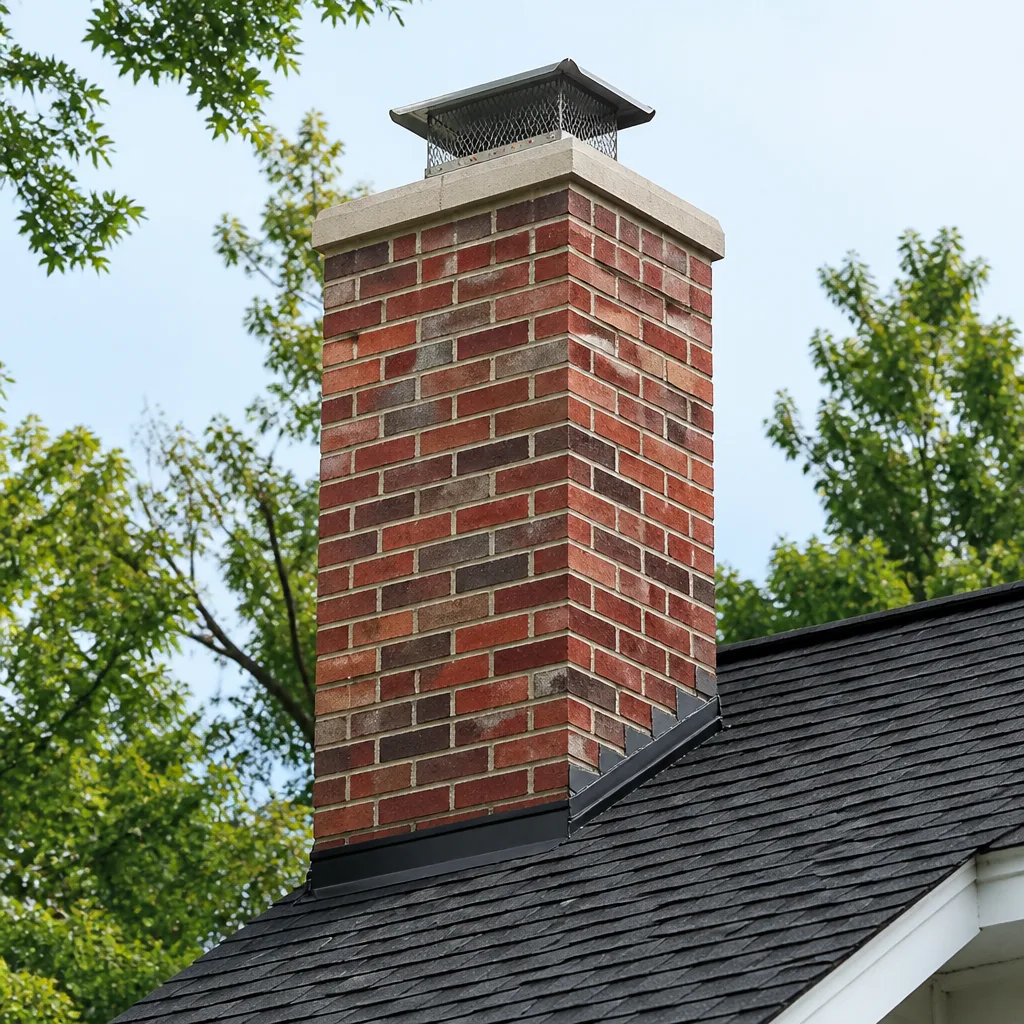 Masonry repair
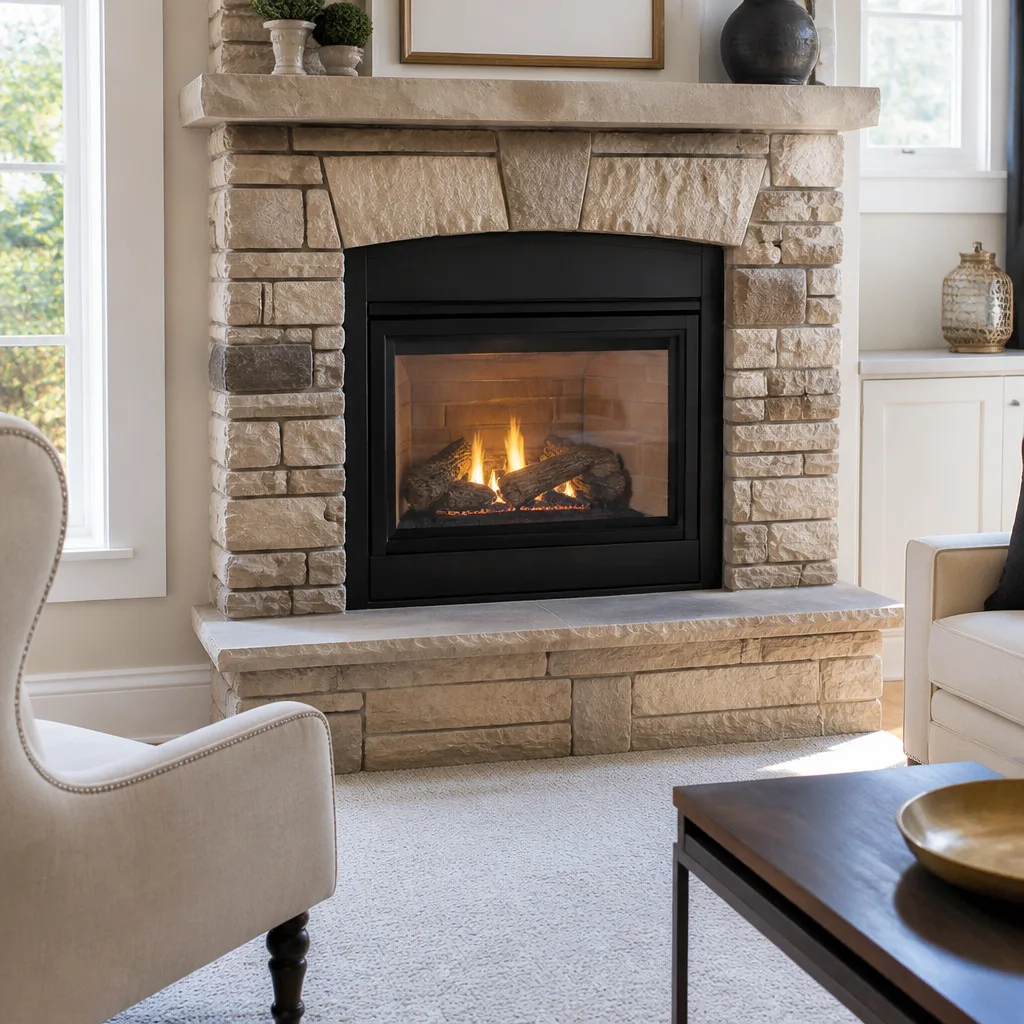 Gas fireplace service
Level 1 sweep and inspection to the NFPA 211 annual standard - flue, crown, cap, and flashing checked and photographed
Chimney sweep logs do not sweep chimneys. They loosen some creosote - which then falls where a brush and vacuum still have to collect it.
The Complete Guide to Chimney Cleaning in Pelham Bay
Most people think a chimney is clean when the firebox looks tidy and smoke goes up the way it should. That’s the most common misconception we run into, and it’s an expensive one. A chimney is a system with several separate parts, and “clean” means something different for each one. The firebox can be spotless while the flue liner behind it is cracked, the crown can look fine from the ground while water is finding its way into the masonry, and a gas insert can burn with no visible soot at all while its flue quietly corrodes. In this guide we’ll map the whole system, explain what cleaning and inspection actually cover, and show you how to read a sweep report so you know whether follow-up work is legitimate or upselling. Everything here is written for the housing stock and conditions you find in Pelham Bay.
Quick Answer
Chimney cleaning in Pelham Bay is a diagnostic process, not a single scrub-and-go task. A proper service includes sweeping the flue, a camera inspection of the liner, a check of the cap, crown, and masonry, and a written report documenting flue size, liner condition, and draft performance. How often you need it depends on what you burn and how much, but an annual inspection is the baseline most chimney professionals recommend for any actively used fireplace or flue.
Styles & brands we work with
- Sweep & inspection
- Caps & crowns
- Flue relining
- Masonry repair
- Gas fireplace service
Table of Contents
- What “Clean” Actually Means for a Chimney System
- Level 1, 2, and 3 Inspections Explained
- How Creosote Forms: Wood-Burning vs. Gas Systems
- Why Humidity and Weather Matter Between Cleanings
- How to Read a Chimney Sweep Report
- Liners, Resurfacing, and When Restoration Beats Replacement
- Caps and Crowns: The First Line of Defense
- How Often Should You Schedule Cleaning?
What “Clean” Actually Means for a Chimney System
A chimney has five parts that matter, and each has its own definition of clean. When a sweep tells you your chimney is “done,” you should know exactly which of these was addressed.
- The firebox and smoke chamber: Free of ash buildup, soot film, and crumbling mortar joints. The smoke chamber – the sloped area above the damper – is where a lot of debris hides and where rough surfaces collect creosote.
- The damper: Opening, closing, and sealing properly. A damper that won’t close all the way leaks heat from the house up the flue when the fireplace isn’t in use.
- The flue: Swept clear of soot and creosote, with the liner inspected for cracks, gaps, and separated joints. Clean flue walls matter, but an intact liner matters more.
- The cap: Present, attached, and clear of debris. A missing or damaged cap lets water, animals, and nesting material straight into the flue.
- The crown and exterior masonry: The concrete crown at the top of the chimney should shed water away from the flue, and the mortar joints below it should be sound. This is where most water damage starts.
In Pelham Bay, where much of the housing was built in the mid-20th century or earlier, we routinely find the firebox and flue in one condition and the crown and exterior masonry in a very different one. A sweep that only brushes the flue and hands you a receipt has cleaned one of five components. That’s why we treat cleaning and inspection as one visit – the findings from the sweep are what tell you whether the rest of the system needs attention. If you want to understand the full service behind that idea, our chimney sweep page covers what a visit includes from start to finish.
Level 1, 2, and 3 Inspections Explained
Not every inspection is the same, and the industry uses three defined levels. Knowing which one your situation calls for is the single best defense against either being under-served or being sold work you don’t need.
Level 1 Inspection
This is the basic annual inspection. It covers the readily accessible parts of the system: the firebox, damper, smoke chamber, and as much of the flue as can be seen without special tools or opening anything up. A Level 1 is appropriate when the chimney is in known service and nothing has changed since the last inspection. For most Pelham Bay homeowners who burn regularly and maintain the system, a Level 1 paired with a sweep is the standard annual visit.
Level 2 Inspection
A Level 2 adds a video camera scan of the entire flue interior and covers accessible portions of the attic, crawl space, and chimney exterior. It’s the inspection you want when something has changed: a new appliance or insert installed, a chimney fire or flue event, a change of property ownership, a conversion from wood to gas, or visible signs of trouble like water staining or draft problems. Given how much of Pelham Bay’s housing stock predates modern high-efficiency appliances, a Level 2 camera inspection is worth asking for any time the history of the liner is unknown to you.
Level 3 Inspection
A Level 3 is a diagnostic inspection that goes further, and it’s warranted only when a serious problem is suspected and the areas in question are concealed. That can mean opening a wall to access a hidden section of flue or removing part of the chimney structure. It’s rare, and no reputable professional recommends it without a clear reason backed by what the camera or the symptoms have already shown.
The practical takeaway: a Level 1 sweep-inspection is your routine maintenance. A Level 2 camera scan is your due diligence when anything about the chimney is unfamiliar or has changed. A Level 3 is a targeted investigation, never a routine upsell. If someone jumps straight to recommending major work without a Level 2 camera record you can see, ask why.
How Creosote Forms: Wood-Burning vs. Gas Systems
Creosote is the residue left behind when wood smoke cools before it leaves the flue, and it comes in stages from a light soot film to a sticky glaze to a hardened, tar-like crust. The glazed and hardened stages are the ones that matter most, because they’re the most flammable and the hardest to remove. In our experience across Pelham Bay’s older homes, the accumulation rate depends far more on how the fireplace is run than on the age of the house.
Wood-Burning Systems
Wood smoke that stays hot all the way up the flue deposits less residue. Smoke that cools on the way up leaves more. That’s why so much creosote comes down to technique and condition, not just volume of wood burned:
- Burning unseasoned or damp wood produces more smoke and more creosote than dry, well-seasoned wood.
- A cold flue that never fully warms up lets smoke condense on the walls before it exits.
- Restricting the air too much to stretch a burn smolders the fire and thickens the deposit.
- An oversized flue relative to the firebox lets smoke linger and cool, so the flue is always working below its ideal temperature.
Gas Systems
Gas fireplaces and inserts produce far less soot than wood, which leads a lot of homeowners to assume they never need cleaning. That’s not accurate. Gas burning still leaves behind residue, and a gas flue is exposed to moisture and to the byproducts of combustion that can be corrosive to the liner over time. A gas flue still needs to be inspected and, when the residue warrants it, cleaned – the difference is in what’s found and how often, not in whether it’s needed. A gas insert vented through an older masonry flue that was originally built for wood is a particularly common situation in Pelham Bay, and it deserves a close look because the liner was designed for a different kind of exhaust.
The bottom line on creosote: what you burn, how you burn it, and the condition of the flue all shape the buildup. A sweep is how you find out where your system stands, and a camera inspection is how you confirm the liner is sound behind the residue.
Why Humidity and Weather Matter Between Cleanings
Cleaning gets the creosote out. But between cleanings, the biggest slow threat to a chimney isn’t the fire – it’s moisture. Every time water gets into masonry or sits against a liner, it works on the mortar and the flue in ways fire never does.
Pelham Bay’s climate puts real stress on chimneys. Long, humid summers and wet winters mean masonry stays damp for stretches, and any crack, gap, or missing cap gives water a way in. When water soaks into brick and mortar, it doesn’t just sit there. Freeze-thaw cycles in the cold months expand the moisture in the joints, widening hairline cracks into real ones. A mortar joint that was sound in the fall can be spalling by spring. Over time, that deterioration reaches the flue, and a compromised flue is where water and combustion gases meet – the worst combination a chimney can have.
This is why we treat the exterior as part of the cleaning and inspection job, not a separate concern. Between professional visits, a few things are worth checking yourself:
- Look for water stains on the ceiling or walls near the chimney, or white, chalky deposits on the exterior masonry – both are signs moisture is getting in.
- Check that the chimney cap is still in place and clear. A missing cap is the most common way water enters a flue.
- Look at the crown at the top of the chimney. It should be intact and slope away from the flue, not cracked or flat.
- Note any crumbling mortar or loose bricks on the exterior after a wet season.
None of these are a substitute for an inspection, but they’re the signs that say it’s time to book one. Moisture protection is a whole-system job: the cap keeps water out of the flue, the crown keeps it off the top of the masonry, and the liner keeps it away from the inside walls. Our chimney cap & crown work is built around exactly that – keeping moisture out and heat in.
How to Read a Chimney Sweep Report
A good sweep report tells you what was found and what it means. A poor one tells you “pass” or “fail” and hands you a quote. Here’s what a report should actually document, and how to tell a legitimate follow-up recommendation from an upsell.
What a proper report should include
- Flue size and type. The internal dimensions and whether the liner is clay tile, stainless, or another material. Flue size matters because it determines whether the system drafts correctly for the appliance it serves.
- Liner condition. The result of a camera scan: intact, cracked, gaps at joints, spalling, or missing sections. This should be described specifically, not just “needs repair.”
- Draft performance. Whether the flue is pulling properly, and any signs of back-drafting, smoke spillage, or poor draw.
- Creosote level. The degree of buildup found, described by stage – soot, glazed, or hardened – because that tells you how urgently cleaning is needed.
- Exterior condition. The cap, crown, flashing, and masonry joints, with any defects noted by location.
- Photographic evidence. If a camera was used, the images should be available to you. A recommendation for liner work should always come with a photo or video showing the problem.
How to tell a legitimate recommendation from an upsell
- It’s backed by evidence you can see. A legitimate repair recommendation points to a specific finding in the camera scan or the physical inspection. If someone tells you the liner is failing but can’t show you where, ask to see it before agreeing to anything.
- It distinguishes urgent from can-wait. A crack that’s letting combustion gases into the house is urgent. A worn crown that will need attention before next season is not. A report that treats everything as urgent is a red flag.
- It matches the inspection level. Major structural recommendations shouldn’t come out of a Level 1 visual inspection alone. They should follow a Level 2 camera scan.
- It explains the fix, not just the cost. Whether the path is resurfacing an existing liner or installing a new one should be explained in terms of what’s actually failing.
One of the reasons we do full-system inspections that feed straight into repair capability is that findings don’t get handed off to a second contractor who then re-diagnoses the problem. The person who finds the issue is the one who explains and resolves it. Reading the report critically is still your job – and a good report makes that easy.
Liners, Resurfacing, and When Restoration Beats Replacement
The flue liner is the most important safety component in the chimney. It carries combustion gases up and out, and it shields the surrounding masonry and wood framing from heat and from the gases themselves. When the liner is compromised, the standard options are to resurface it or replace it – and the right choice depends on what’s actually failing.
Resurfacing with HeatShield
For a liner that’s cracked, has gaps at the joints, or shows spalling but is otherwise structurally intact, ceramic resurfacing is often a viable path. HeatShield is a ceramic flue-resurfacing system used by credentialed chimney professionals to restore liner integrity without full demolition and relining. The appeal is straightforward: the liner is repaired in place rather than torn out and rebuilt. This is a capability most sweep-only services don’t offer, and it’s the difference between a repair and a reconstruction project for a lot of older liners.
Relining with a flexible system
When the existing liner is beyond resurfacing – missing sections, irregular, or offset in a way that makes a straight reline impossible – a flexible liner is the answer. DuraFlex flexible liner systems allow proper relining of older, offset, or irregularly shaped flue passages that a rigid liner simply cannot navigate. In Pelham Bay’s older homes, offset flues are common, and a flexible liner is often the only way to reline without opening up the structure.
When full replacement is the honest answer
Not every liner can be saved. If the masonry around the flue is failing, if the liner damage is extensive, or if the flue was never properly lined to begin with, resurfacing won’t hold. Part of a good inspection is being straight with you about when restoration isn’t the right call. We’d rather tell you a liner can be resurfaced than push a rebuild – but we’ll also tell you plainly when it can’t.
The key point: resurfacing and relining are different tools for different problems, and the camera scan is what determines which one fits. If you’ve been told your liner needs replacing, ask whether resurfacing is an option and why or why not. That’s a fair question, and you deserve a specific answer.
Caps and Crowns: The First Line of Defense
Most homeowners think of a chimney cap as a small accessory. We treat it as one of the most important components on the chimney, because it’s what keeps water, animals, and debris out of the flue every single day. A chimney with a missing or damaged cap is losing the battle against moisture from the top down.
The cap does three jobs. It keeps rain and snow out of the flue. It keeps birds, squirrels, and nesting material from getting in. And it helps control draft by keeping downdrafts from pushing smoke back into the room. When a cap is missing, all three protections are gone at once, and the flue is open to whatever the weather sends down.
The crown is the concrete top surface of the chimney itself, and it’s just as important. A sound crown slopes away from the flue so water runs off rather than pooling against the masonry. When a crown cracks or flattens out, water sits on top of the chimney and works down into the brick and mortar below. That’s how a small crack becomes a moisture problem that reaches the flue. We use professional-grade components from manufacturers like Gelco and Famco for cap and venting work, because these are the specified lines, not generic hardware-store substitutes.
Together, the cap and crown are the first line of defense against the moisture that drives most costly chimney damage. When we recommend cap or crown work, it’s because we’ve seen the signs that moisture is getting in, not because it’s a routine add-on. If the cap is sound and the crown is shedding water properly, we’ll tell you that too.
How Often Should You Schedule Cleaning?
There’s no single answer that fits every home, because how much you burn and how you burn it changes everything. But there are clear baselines.
- Actively used wood-burning fireplaces: an annual sweep and inspection during the season of use is the standard most professionals recommend. If you burn frequently, some homes warrant a mid-season check as well.
- Occasional-use fireplaces: an annual inspection is still worth keeping, even if the firebox sees little use. Inspection catches liner and moisture problems regardless of how often you light a fire.
- Gas fireplaces and inserts: an annual inspection, with cleaning when the residue warrants it. The assumption that gas never needs attention is one of the most common misconceptions we run into.
- Oil or gas flues: an annual inspection of the flue and venting, since these systems can corrode or deteriorate over time even without wood smoke.
- After any of these events – a chimney fire or flue event, a change of appliance or insert, moving into a home where the chimney history is unknown, or visible water staining or spalling – book a Level 2 camera inspection rather than waiting for the annual cycle.
The safest approach is to think of cleaning as annual, inspection as annual, and everything else as condition-based. If you’re not sure where your system falls, an inspection answers it. If you’re seeing draft problems, water stains, or crumbling masonry, don’t wait for the calendar – those are the signals to book now.
Common Mistakes to Avoid
- Assuming a clean firebox means a clean chimney. The firebox is the part you can see. The creosote that matters is up the flue, and a tidy hearth tells you nothing about the liner. Insist on a proper flue sweep and an inspection, not just a visual look.
- Skipping the camera inspection on an older home. Much of Pelham Bay’s housing predates modern high-efficiency appliances, so the liner technology in an older flue may be decades behind the insert or stove now connected to it. A visual check won’t show you what’s happening inside that liner – a camera scan will.
- Burning unseasoned wood to save money. Damp wood smolders and leaves more creosote than dry wood, which means more frequent cleaning and a higher risk of a flue fire. Seasoned, dry wood is the practical choice every time.
- Ignoring a missing or damaged cap. A cap is one of the cheapest protections on a chimney and one of the most consequential. Leaving a flue open to rain and animals turns a small fix into a moisture problem that reaches the liner.
- Letting a cracked crown go until spring. Our climate gives water repeated chances to work its way into masonry through freeze-thaw cycles. A crown that’s cracked in the fall will likely be worse by spring, and the repair grows with it.
- Accepting a big repair quote without seeing the evidence. If a sweep recommends liner or masonry work, ask to see the camera images or the specific physical finding behind it. A legitimate recommendation can always point to what it’s based on.
- Assuming a gas fireplace needs no cleaning. Gas produces less soot, but the flue still collects residue and still needs inspection. Treating a gas insert as maintenance-free is a common and avoidable oversight.
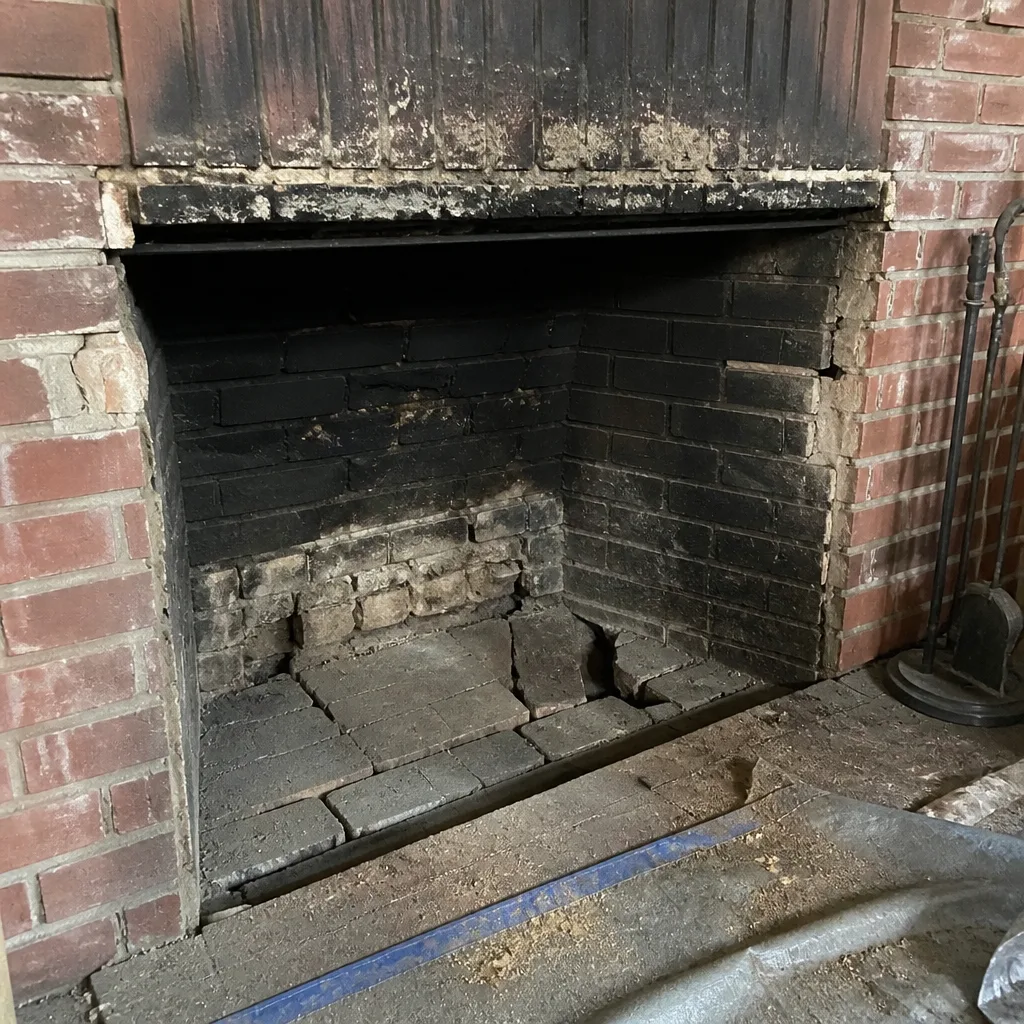
See the difference
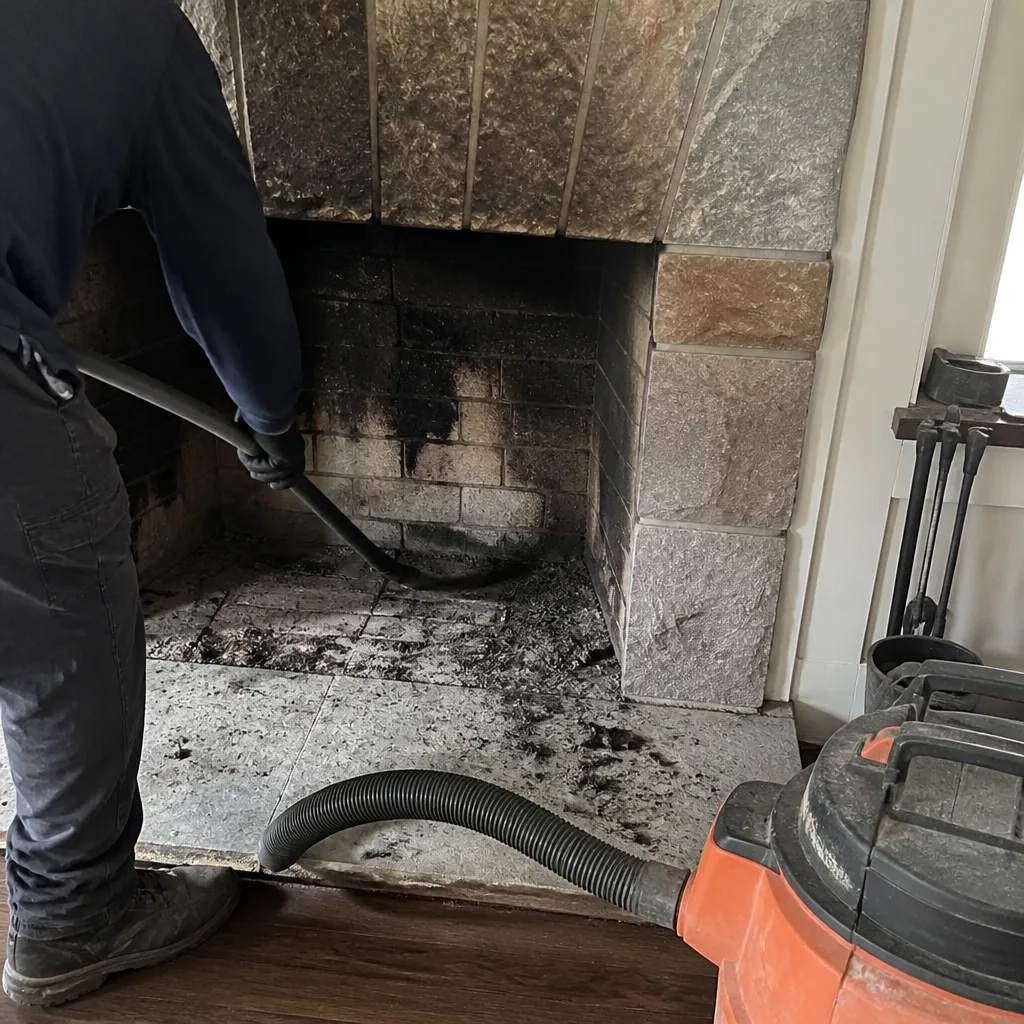 Before
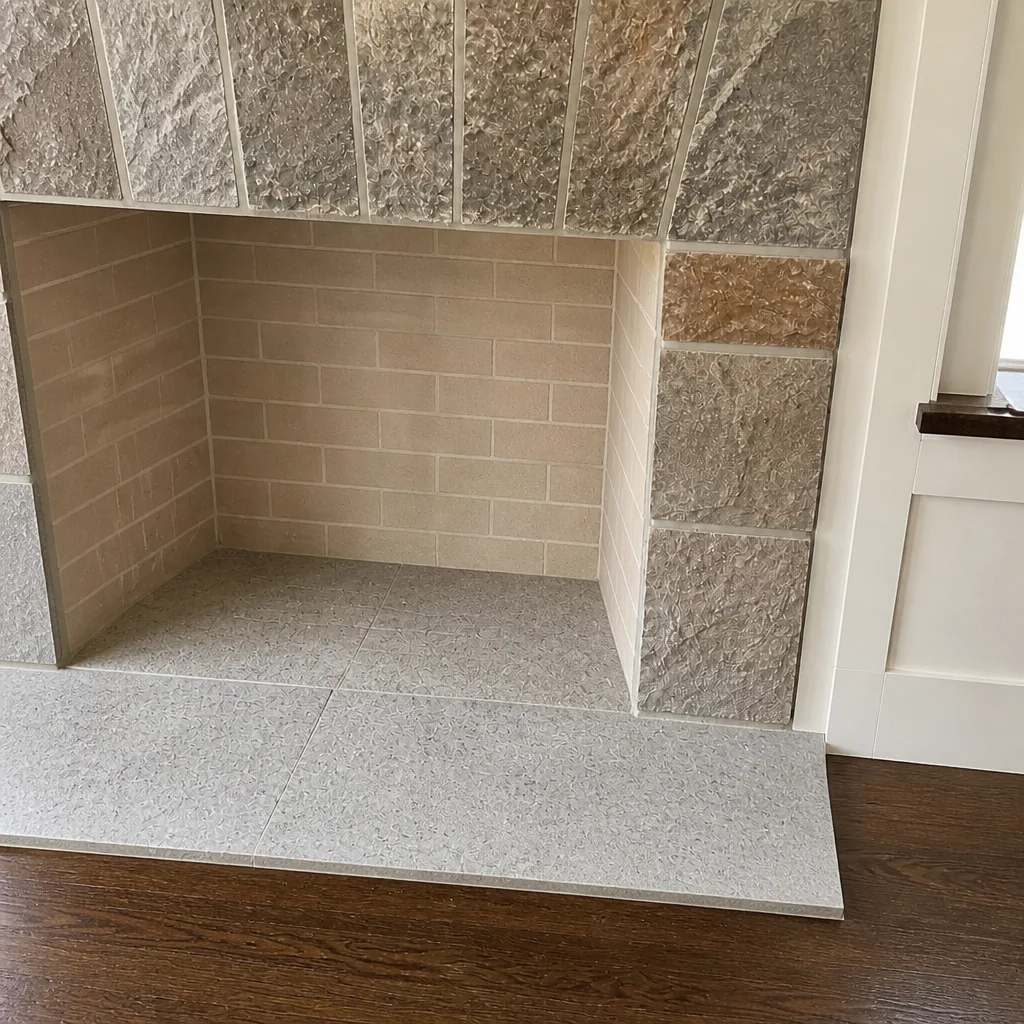 After
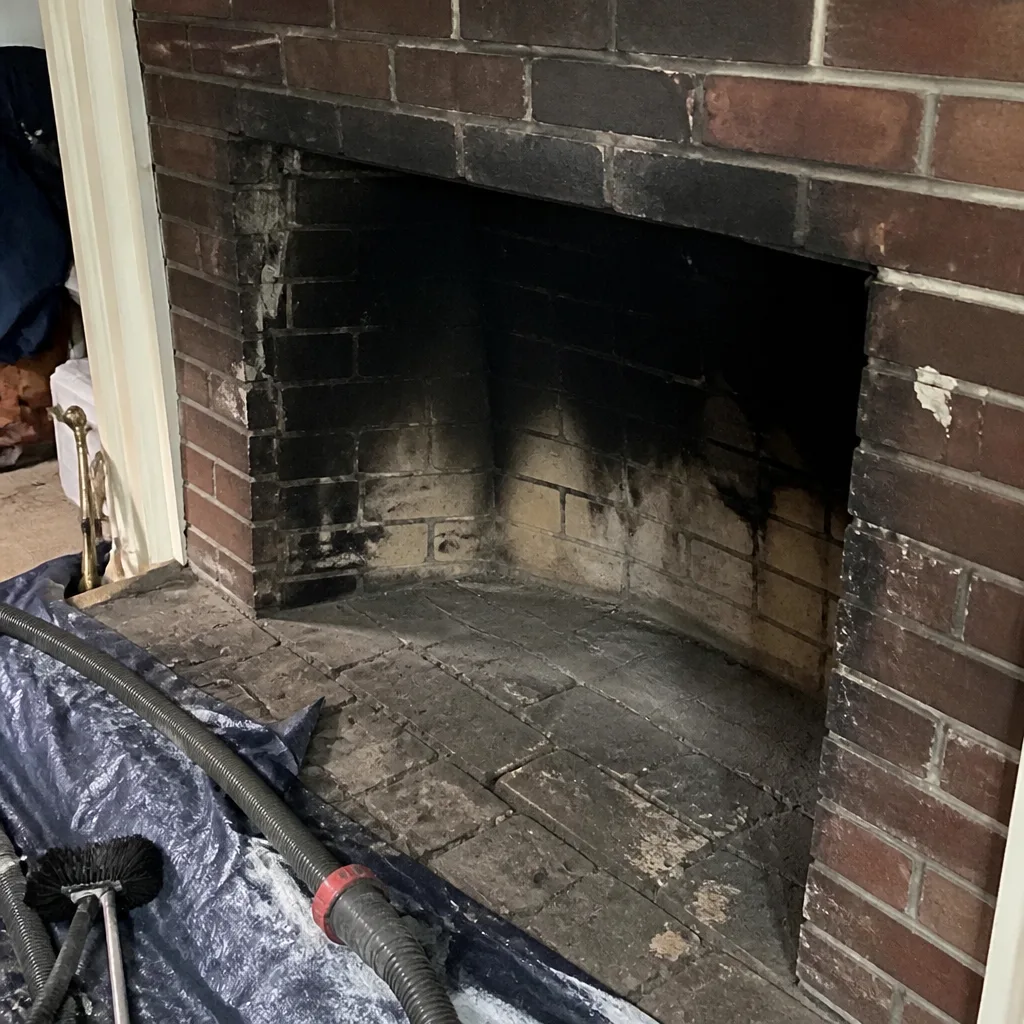 Before
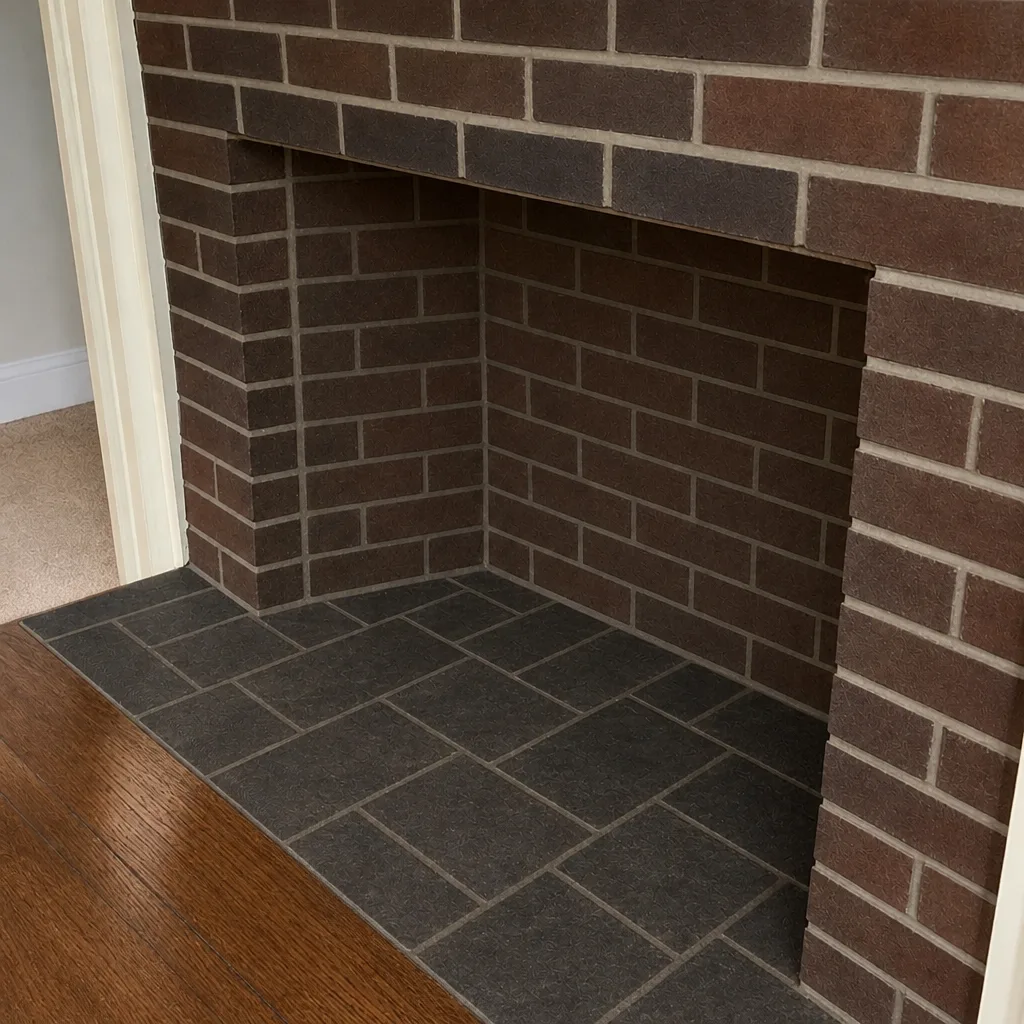 After
 Before
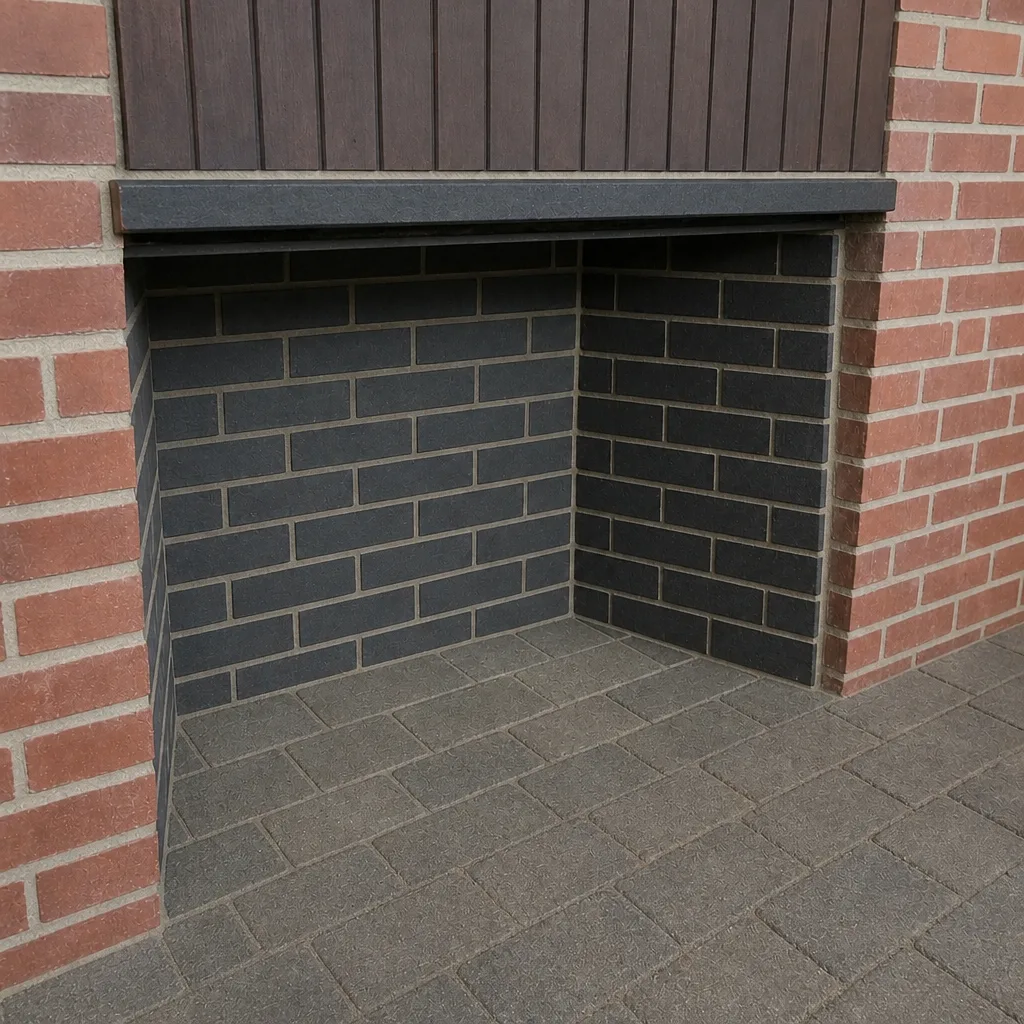 After
When to Call a Professional
Some chimney checks are safe to do yourself – a visual look at the cap from the ground, a glance at the exterior masonry, a note of water stains inside. Many others aren’t, and the flue, the liner, and the masonry are best left to trained technicians. Call a professional if you notice draft problems, smoke spilling back into the room, water stains, white deposits on the exterior brick, crumbling mortar, or a cap that’s loose or missing. Call if you’ve had a chimney fire or a flue event, even a small one you think you contained. Call if you’ve moved into a home and don’t know the condition of the liner. And call for the annual sweep and inspection itself – it’s the single most effective way to catch a problem before it becomes a repair. Chimney Sweep Pelham Bay offers free estimates in Pelham Bay – call (877) 820-9084. Our technicians have up to 15 years of experience.
Frequently Asked Questions
Chimney cleaning is priced per job based on what the system actually needs – a standard sweep and inspection is a different job from a sweep that turns up liner damage requiring a camera scan and repair estimate. We don’t quote a single blanket price from the phone because it wouldn’t be honest. Call us and we’ll give you a free estimate based on your chimney, and the written estimate sets the final price. Call (877) 820-9084 for an exact quote – estimates are free.
Not always – a cracked or spalling liner can often be restored with ceramic resurfacing rather than replaced, and the camera scan is what tells you which path is right. HeatShield resurfacing can restore integrity without full demolition in many cases, and flexible DuraFlex liners handle older offset flues that rigid liners can’t navigate. If someone recommends a full reline without showing you the camera evidence, ask to see it first. Call (877) 820-9084 and we’ll show you exactly what we find – estimates are free.
An annual sweep and inspection is the standard most chimney professionals recommend for any actively used fireplace or flue. Homes that burn frequently may warrant a mid-season check, while occasional-use fireplaces still benefit from an annual inspection to catch liner and moisture problems. Gas systems need an annual inspection too, with cleaning as the residue warrants. If your chimney history is unknown or anything has changed, book a Level 2 camera inspection. Call (877) 820-9084 for an exact quote – estimates are free.
Creosote builds up on the flue walls, and at its glazed and hardened stages it’s the most flammable material in the system – the fuel that chimney fires feed on. Separately, moisture keeps working on mortar and masonry between cleanings, and a cap or crown defect that goes unaddressed lets water reach the liner. Skipping the annual visit doesn’t stop either process; it just means you find out later, when the repair is bigger. Call (877) 820-9084 to book a visit – estimates are free.
Yes, it needs inspecting and cleaning when the residue warrants it. Gas produces far less soot than wood, which is why so many homeowners assume it’s maintenance-free, but the flue still collects residue and still deteriorates over time, and combustion byproducts can be corrosive to the liner. A gas insert vented through an older masonry flue built for wood is especially worth a close look. Call (877) 820-9084 for a free estimate.
Humidity and wet seasons give water repeated chances to get into masonry and work on mortar joints through freeze-thaw cycles, so exterior defects like a cracked crown or missing cap cause more damage here over time. That’s why we treat the cap, crown, and exterior as part of every cleaning and inspection. Water is the slow threat between cleanings, and the top of the chimney is where it usually starts. Call (877) 820-9084 for a free estimate.
The Bottom Line
A chimney is a system, and “clean” means something different for each part. The firebox, the flue, the liner, the cap, and the crown each have their own condition, and a sweep that addresses only one of them hasn’t finished the job. In Pelham Bay, that matters more than in many places, because the housing stock is older and the climate keeps moisture working on masonry between visits. The practical recipe is simple: an annual sweep and inspection, a camera scan whenever anything has changed or the liner history is unknown, and a report that documents flue size, liner condition, and draft performance rather than pass or fail. Read that report critically, ask to see the evidence behind any repair recommendation, and don’t let a cracked crown or missing cap wait. If you’re due for a visit or want a second opinion on work someone else recommended, we’re ready to help – from an annual chimney sweep to a full chimney repair.
Contact Us
Whether you’re booking an annual sweep, want a camera inspection before the heating season, or need a second opinion on a repair estimate, we’re here to help. Chimney Sweep Pelham Bay handles everything from routine cleaning to cap and crown work and liner resurfacing, with findings resolved in-house rather than handed off. Call (877) 820-9084 for a free estimate – we answer 24/7, and fast dispatch runs 7am to 7pm, Sunday through Friday.
Written by the team at Chimney Sweep Pelham Bay.