
Last updated November 25, 2026
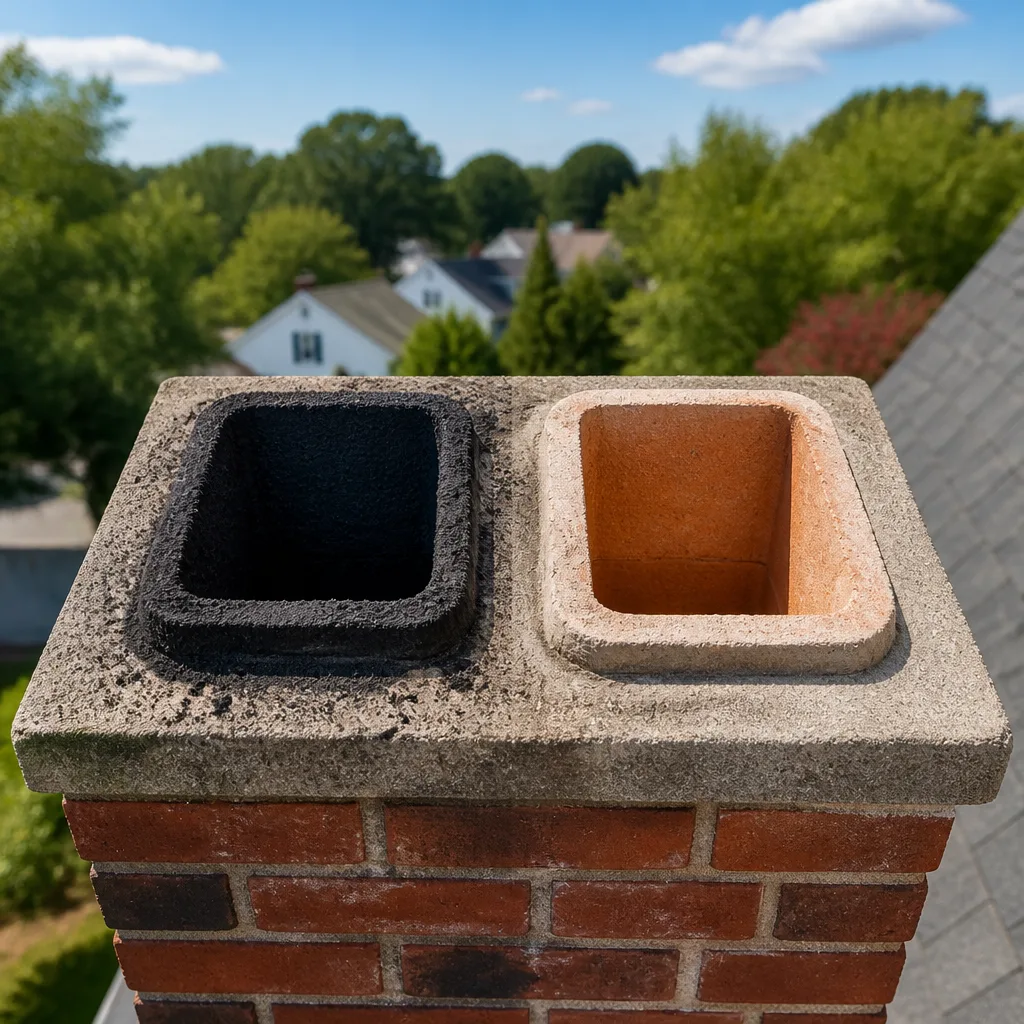 Sweep & inspection
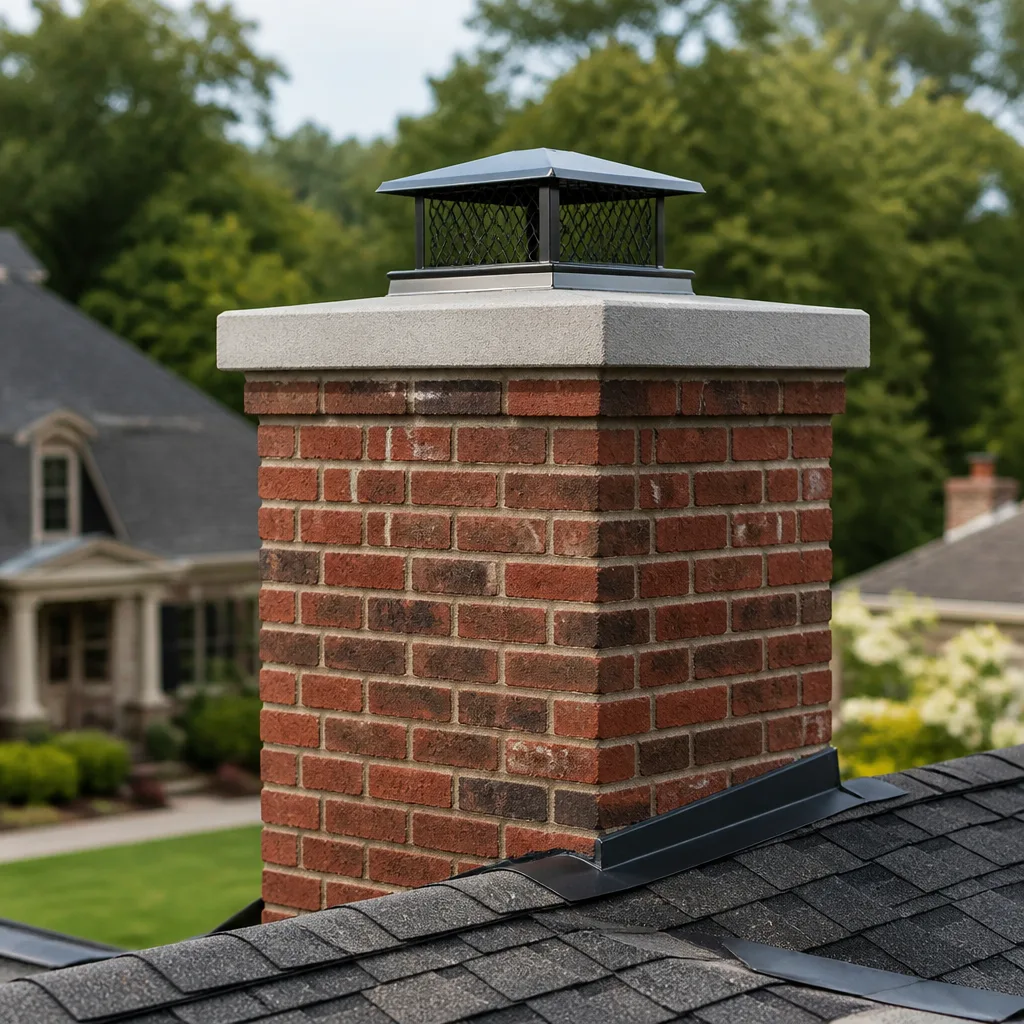 Caps & crowns
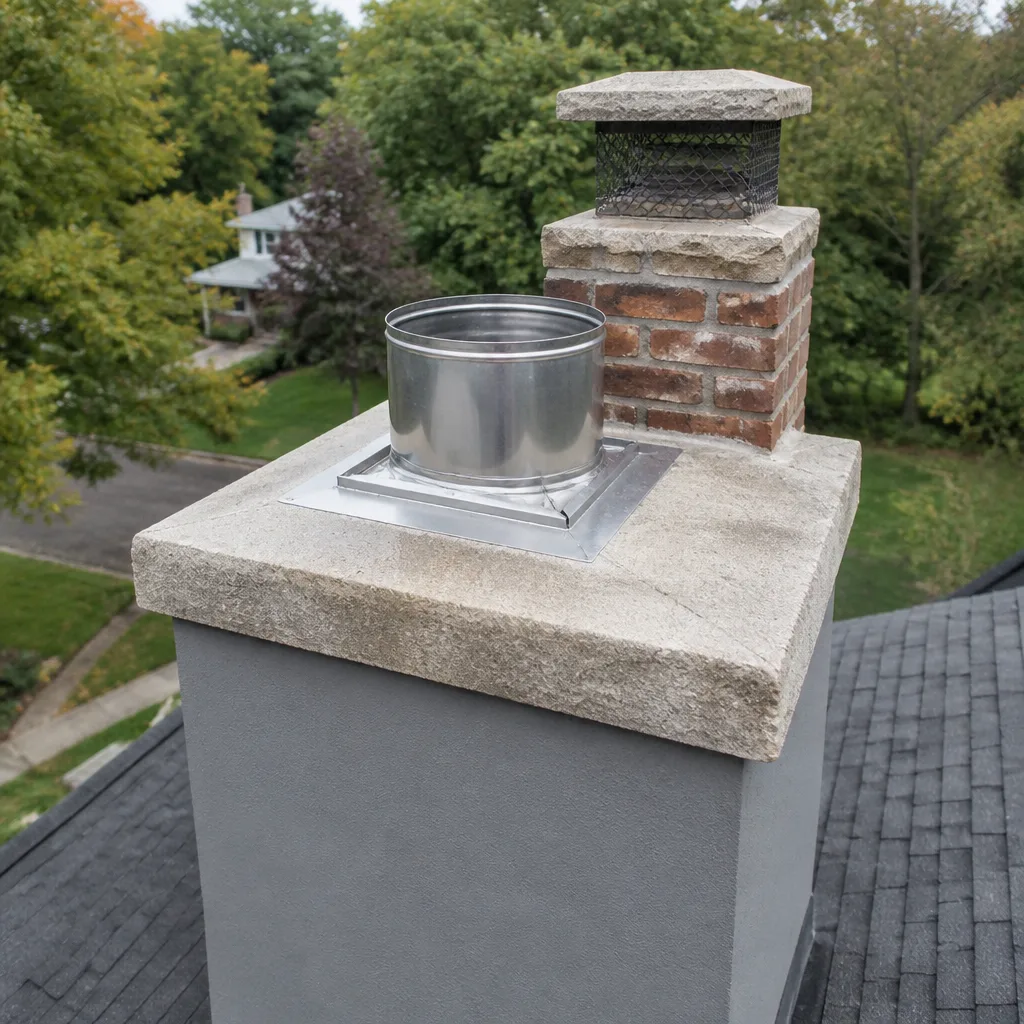 Flue relining
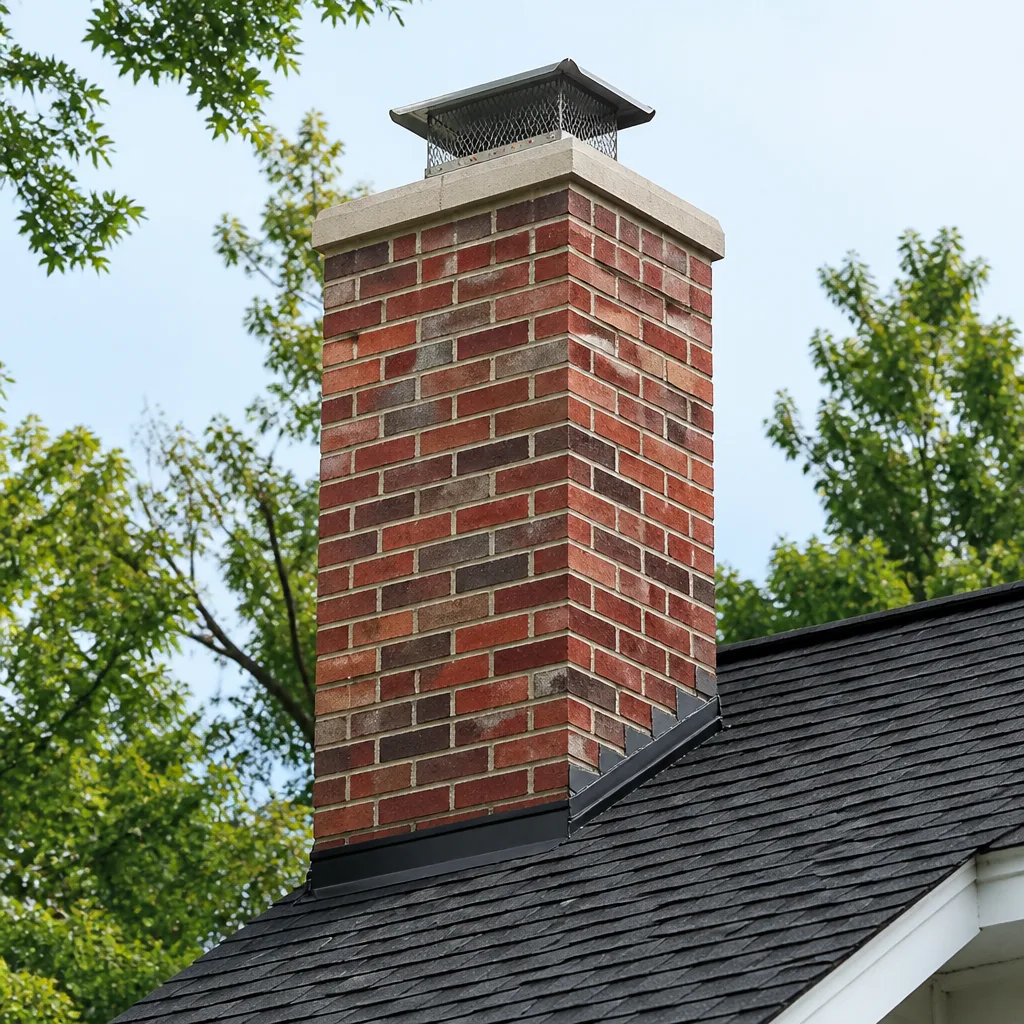 Masonry repair
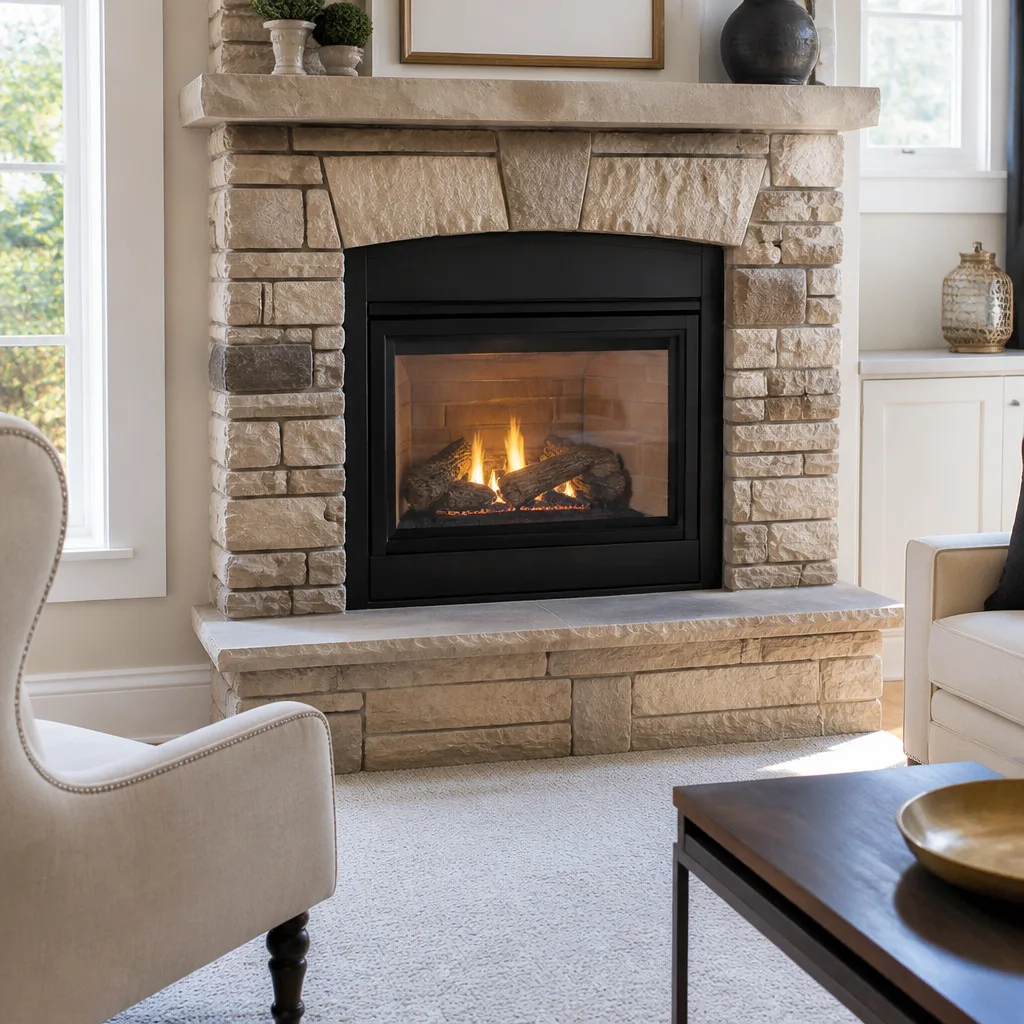 Gas fireplace service
Level 1 sweep and inspection to the NFPA 211 annual standard - flue, crown, cap, and flashing checked and photographed
Chimney sweep logs do not sweep chimneys. They loosen some creosote - which then falls where a brush and vacuum still have to collect it.
Chimney Cleaning Warning Signs: A Pelham Bay Homeowner’s Reference Guide
White staining on the outside of a brick chimney looks cosmetic. It isn’t. That chalky bloom is efflorescence, mineral salts pushed outward by water moving through the masonry, and it means moisture is already inside the system doing structural damage you can’t see from the ground. The warnings worth catching are almost always this quiet: a damper that drags, a faint smell after a rain, a hairline crack in the crown. By the time a chimney fire announces itself with a roar, the system has already failed. This guide walks through the signs in order of severity, separates normal fireplace smells from combustion problems, and shows you a five-minute flashlight check you can run from the firebox today. None of it requires a ladder.
Quick Answer
A chimney usually signals trouble long before it becomes a hazard. The earliest warning signs are efflorescence on the brick, hairline crown cracks, a damper that slowly stops closing flush, dark staining around the fireplace opening, and creosote buildup you can see with a flashlight up the flue. Smoke rolling back into the room or a strong sulfur smell are immediate problems. Schedule a sweep and inspection when you spot the quiet signs, and call right away if smoke or odor is entering your living space.
Styles & brands we work with
- Sweep & inspection
- Caps & crowns
- Flue relining
- Masonry repair
- Gas fireplace service
Table of Contents
- The Warning Signs Ranked by Severity
- What Efflorescence and Exterior Staining Tell You
- Normal Fireplace Smells vs. Carbon Monoxide Risk
- Dark Staining Around the Fireplace Opening
- Warning Signs Unique to Gas Log Inserts
- The 5-Minute Firebox Check With a Flashlight
- Creosote: The Slow Build That Becomes a Chimney Fire
- Draft Problems and What They Actually Mean
- Cap and Crown: The First Line of Defense
The Warning Signs Ranked by Severity
Not every sign means the same thing. Some are “watch and schedule,” others are “stop using the fireplace and get someone out.” Sorting them correctly keeps you from panicking over a cosmetic issue and, more importantly, from ignoring a real one because it looked minor.
Immediate signs (stop using the fireplace and call):
- Smoke backing up into the living space when the fire is burning or when you first light it.
- A strong sulfur or rotten-egg smell, which can point to a gas or combustion problem rather than a wood fire issue.
- Visible flames or a deep roaring sound coming from the flue itself.
- A sudden drop in draft on a fireplace that always drew well before.
Schedule-a-sweep signs (book within the next few weeks):
- Efflorescence on the exterior brick, which tells you water is moving through the masonry.
- Hairline cracks in the crown or a crown that has pulled away from the flue.
- A damper that is dragging or no longer closes flush against its frame.
- Dark staining around the fireplace opening or above it on the face brick.
- Creosote you can see as a crust or glaze up the flue with a flashlight.
Homeowners in Pelham Bay often live with the schedule-a-sweep signs for a whole heating season because they’re subtle. In our experience, that’s exactly the window where a straightforward cleaning and inspection catches a problem before it turns into repair work. The immediate signs are rare by comparison, which is why the quiet ones deserve the attention.
What Efflorescence and Exterior Staining Tell You
A white, powdery residue on the outside of a brick chimney is efflorescence, and it means water is traveling through the masonry and pushing mineral salts to the surface. On its own, efflorescence doesn’t mean the chimney is failing. What it tells you is that the system is taking on moisture somewhere, and where water goes, freeze-thaw damage follows in this part of the country.
The masonry of an older Pelham Bay chimney is porous. When water gets in through a failed crown, a missing cap, or cracked mortar joints, it doesn’t just sit on the surface. It soaks in, freezes, expands, and opens the brick up a little more each winter. The efflorescence you see outside is the visible end of a process happening inside the chimney structure.
Watch for how the staining behaves:
- Light and patchy after a wet stretch: usually a symptom of a crown or flashing problem that a cap and crown evaluation will find.
- Heavy and persistent across the whole chimney face: the moisture source is likely active and ongoing, not a one-time event.
- Paired with crumbling mortar or spalling brick: the masonry is already being damaged, and the repair comes sooner rather than later.
This is a job for a full-system look, not a quick clean. A sweep can tell you how much water is getting in and where, and the fix is usually in the chimney cap & crown territory rather than the flue itself. Our technicians have up to 15 years of experience reading these moisture patterns, so a stained chimney gets diagnosed, not just swept.
Normal Fireplace Smells vs. Carbon Monoxide Risk
A cold fireplace smells cold. A little smoky odor when you first light a fire is normal and settles once the draft establishes. What you’re sorting for is the difference between a house that smells like a fireplace and a house that smells like something is wrong. The second kind deserves attention because it can be the earliest sign of a combustion problem.
Normal smells:
- A light woodsmoke smell while the fire burns and for a short time after.
- A cooler, dusty smell in warmer months when the chimney is unused and air moves down the flue.
- A brief puff of smoke at lighting, then a clean burn.
Smells that mean “get this looked at”:
- A strong sulfur or rotten-egg smell, which is not a wood fire characteristic and warrants a call.
- Smoke smell that lingers in other rooms, especially upstairs, when no fire is burning.
- A smell that appears after rain, which points to water getting into the flue and mixing with creosote.
Carbon monoxide is the reason this matters. A blocked or damaged flue can let combustion gases enter the living space instead of venting up and out. It has no smell, so a CO detector on every level of the house belongs alongside this checklist. If your detector sounds or you have headache-and-nausea symptoms with a fireplace or gas appliance running, treat it as a gas problem, ventilate, and don’t relight until a professional checks the flue. That’s not scare talk; it’s the standard response for a reason.
Dark Staining Around the Fireplace Opening
Dark staining on the face brick above and around a fireplace opening is one of the most misread warning signs. Homeowners tend to see it as a sign of a smoky fire and wipe it away. What it’s usually telling you is that the smoke chamber and damper aren’t doing their job, and smoke is spilling into the room instead of moving up the flue cleanly.
The smoke chamber is the sloped area directly above the damper, and it’s where smoke transitions from the firebox into the flue. Over time, soot and creosote build up on its walls. A damper that no longer closes flush, or that sits slightly open, changes how smoke moves at the critical point where it leaves the firebox. The result is a smear of dark staining on the face brick and a house that smells smoky long after the fire is out.
Three things to check:
- Open the damper and watch it close. It should close flush against its frame with a smooth motion and seal completely. A damper that drags, sticks, or stands slightly open is a real sign.
- Look at the smoke chamber walls through the open damper with a flashlight. Heavy black buildup on the sloped surfaces tells you it needs cleaning and the damper needs inspection.
- Note whether the staining is fresh after each fire or old and stable. New staining means active spillage.
Smoke spillage isn’t just a nuisance; repeated exposure to combustion byproducts around a firebox is exactly the kind of system-level issue an inspection catches. A competent sweep checks the smoke chamber, not just the flue, and we treat it as part of the full-system view. That’s part of what a thorough chimney sweep should cover.
Warning Signs Unique to Gas Log Inserts
Gas log inserts and gas fireplaces have their own set of warning signs, and most homeowners misread them as normal appliance behavior because the unit still lights and still produces flame. Gas units vent through the same flue as a wood fireplace, and the signs of trouble show up differently.
- Lazy, yellow flames where the fire used to burn blue and crisp. A steady yellow flame can mean incomplete combustion, and it’s a prompt to have the flue and burner checked rather than adjusted by trial and error.
- Soot on the logs or the firebox glass, which shouldn’t happen in a well-tuned unit and points to a venting or combustion issue.
- A lingering smell after the unit is off, or a smell that gets stronger when the unit runs, which is a call-right-away sign.
- Moisture or corrosion on the flue, which in a gas flue points to condensation and a possible liner problem.
Gas is a service where you don’t troubleshoot by feel. If you’re seeing any of these, the right move is a professional look at the flue and the burner, not a YouTube attempt at re-jetting the logs. A gas flue also doesn’t build creosote the way wood does, but it does benefit from an inspection that checks for liner condition, proper venting, and any blockage. When a liner needs attention, HeatShield ceramic resurfacing can often restore a damaged flue without a full rebuild, and DuraFlex flexible liners handle older or offset flue passages that rigid liners can’t navigate. Those materials are part of what makes a proper diagnosis translate into a proper fix rather than a second contractor.
The 5-Minute Firebox Check With a Flashlight
You don’t need a ladder or a roof to catch the most common early-stage problems. A flashlight and five minutes inside the firebox will show you the state of the flue, the damper, and the firebox walls. Do this when the fireplace is cold and no fire has burned for at least a day.
- Open the damper and shine the light straight up the flue. You’re looking for creosote buildup (a crusty or glazed coating on the flue walls), a visible obstruction, or daylight where there shouldn’t be any.
- Check the damper by opening and closing it fully. It should move smoothly and seal flush. Note any drag, sticking, or incomplete closing.
- Look at the firebox walls for cracks, crumbling mortar between firebricks, or white staining that suggests moisture.
- Inspect the smoke chamber through the open damper for heavy soot or creosote on the sloped surfaces.
- Check the firebox floor and the hearth for loose or cracked brick that could allow heat or embers through.
What you’re doing is catching the early indicators white-glove inspectors flag. You’re not repairing anything and you’re certainly not getting on the roof or reaching into the flue. If a step shows a real problem, stop and call. The value of this check is that you learn what your own chimney normally looks like, so a change next season stands out. It’s the quiet signs you’re after, and this flashlight pass is where Pelham Bay homeowners usually first spot efflorescence, a dragging damper, or a crust of creosote before a full inspection.
Creosote: The Slow Build That Becomes a Chimney Fire
Creosote is the material that accumulates inside a flue as wood burns, and it builds in stages. The early stage is light and flaky and sweeps out easily. The later stages are glazed, hard, and burn hot. The reason a chimney fire is so dangerous isn’t that it’s common; it’s that a flue can hold a heavy load of glazed creosote for a whole season without anyone noticing, because there’s no sound and no smell.
Every wood fire adds a little creosote. A fire that burns too cool, wet wood, an oversized flue, or a poorly drawing chimney all add more than a fire that burns hot and clean. That’s why the schedule-a-sweep signs matter: they tell you the flue is loading up before it becomes a hazard.
- First-degree creosote: light soot and flaky deposits, the routine cleanup a sweep handles.
- Second-degree creosote: crusty deposits that need a more deliberate method to remove.
- Third-degree creosote: glazed, tar-like deposits that are the real fire risk and can be stubborn to remove.
The practical takeaway is that you can’t tell which degree is in your flue from the living room. A flashlight up the flue gives you an idea, but a professional inspection is what confirms it. If you want the full picture of how a sweep works and when to book one, our Chimney Sweep Pelham Bay page covers the routine service and what it includes.
Draft Problems and What They Actually Mean
Draft is the movement of air up the flue, and it’s the difference between a fireplace that pulls smoke cleanly up and one that spills it into the room. A draft problem is almost never fixed by cracking a window and hoping. It usually points to something specific in the system.
Common causes of poor draft:
- A flue that’s too short, too large, or offset in a way that slows the smoke.
- A blockage: an animal nest, a fallen cap, or heavy creosote narrowing the passage.
- A damper that won’t open fully.
- A house that’s tight enough that no makeup air enters to feed the draft.
In Pelham Bay, and in older homes generally, the tight-house problem is real. Modern weatherization keeps heat in, which is good, but it also reduces the air a fireplace needs to draft. If you’ve recently tightened up the house and the fireplace has started smoking at startup, that’s the reason. The fix is diagnostic: check the flue, check the damper, check for blockage, check for makeup air. A sweep can tell you which one it is. Nothing here is a “just live with it” situation, because a fireplace that won’t draft properly is dumping smoke where you breathe.
Cap and Crown: The First Line of Defense
The chimney cap and crown are the parts most homeowners never think about, and they’re the parts that keep water and animals out of the whole system. A chimney cap sits on top and does three jobs: it lets smoke out, it keeps rain out, and it keeps birds, squirrels, and debris out. A crown is the mortar or concrete surface on top of the chimney that sheds water away from the flue and the masonry.
Hairline cracks in the crown matter out of proportion to their size. A crack lets water in, and the freeze-thaw cycle widens it each winter. From there, water reaches the masonry, the efflorescence starts, and the flue begins to take on moisture. A failed cap or a missing cap opens the door to animal nests and direct rain, both of which cause draft problems and blockages.
This is why we treat cap and crown work as a first-line defense rather than a service to upsell. When we’re on a roof, we’re checking the crown and cap as part of the diagnosis, and we use Gelco and Famco components for cap and venting work because those are the lines a chimney professional specifies, not the generic hardware-store substitutes. The goal is a system built to keep moisture out and heat in. If your cap is missing, cracked, or sitting loose, that’s a schedule-it-now item.
Common Mistakes to Avoid
- Waiting for a dramatic sign. A chimney fire is a failure, not a warning. The sign worth acting on is the quiet one: staining, a sticking damper, a hairline crack. Watch for those, not for smoke rolling into the room.
- Reading efflorescence as cosmetic. That white bloom is water movement. Treat it as a diagnostic clue and get the crown and cap checked before another freeze-thaw season widens the damage.
- Ignoring a damper that no longer closes flush. A damper that drags or stands slightly open changes how smoke leaves the firebox, and it shows up as staining and a house that smells smoky. It’s a cheap fix caught early and an annoyance caught late.
- Treating a gas insert like a wood fireplace. Gas units have their own signs: lazy yellow flames, soot on the logs or glass, a lingering odor. They still need inspection, and misreading them as normal appliance behavior is a common Pelham Bay mistake.
- Skipping the flashlight check because you can’t get on the roof. You don’t need to. A five-minute pass inside the firebox catches most early-stage problems, and it teaches you what your chimney normally looks like.
- Booking the cheapest sweep in town and trusting the first alarming number you hear. A sweep-only service often has to call in a contractor for any real finding. Look for someone who can both diagnose and repair so the recommendation comes with a path to resolution.
- Assuming a tight house has a well-drafted fireplace. Weatherization can starve a fireplace of makeup air and turn a good draft into a smoky one. If your fireplace changed behavior after tightening the house, that’s a clue, not a mystery.
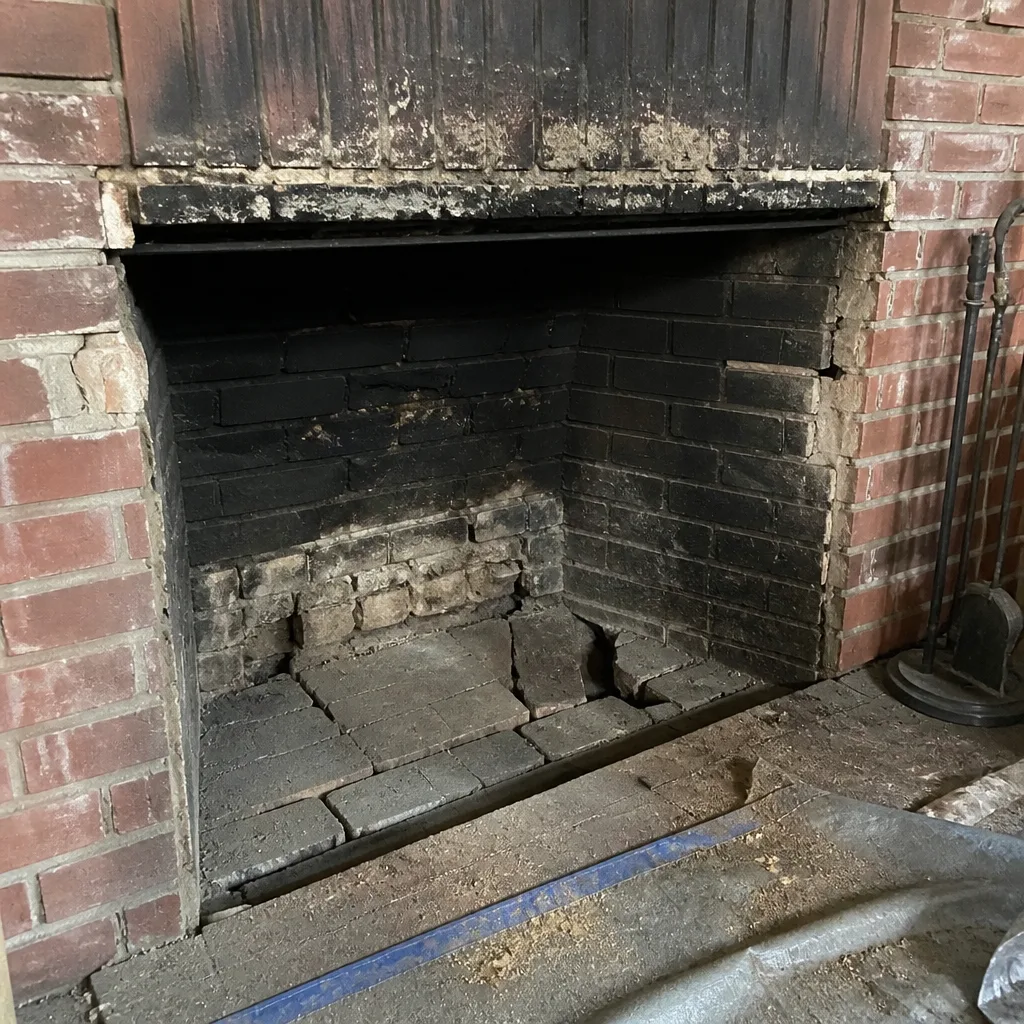
See the difference
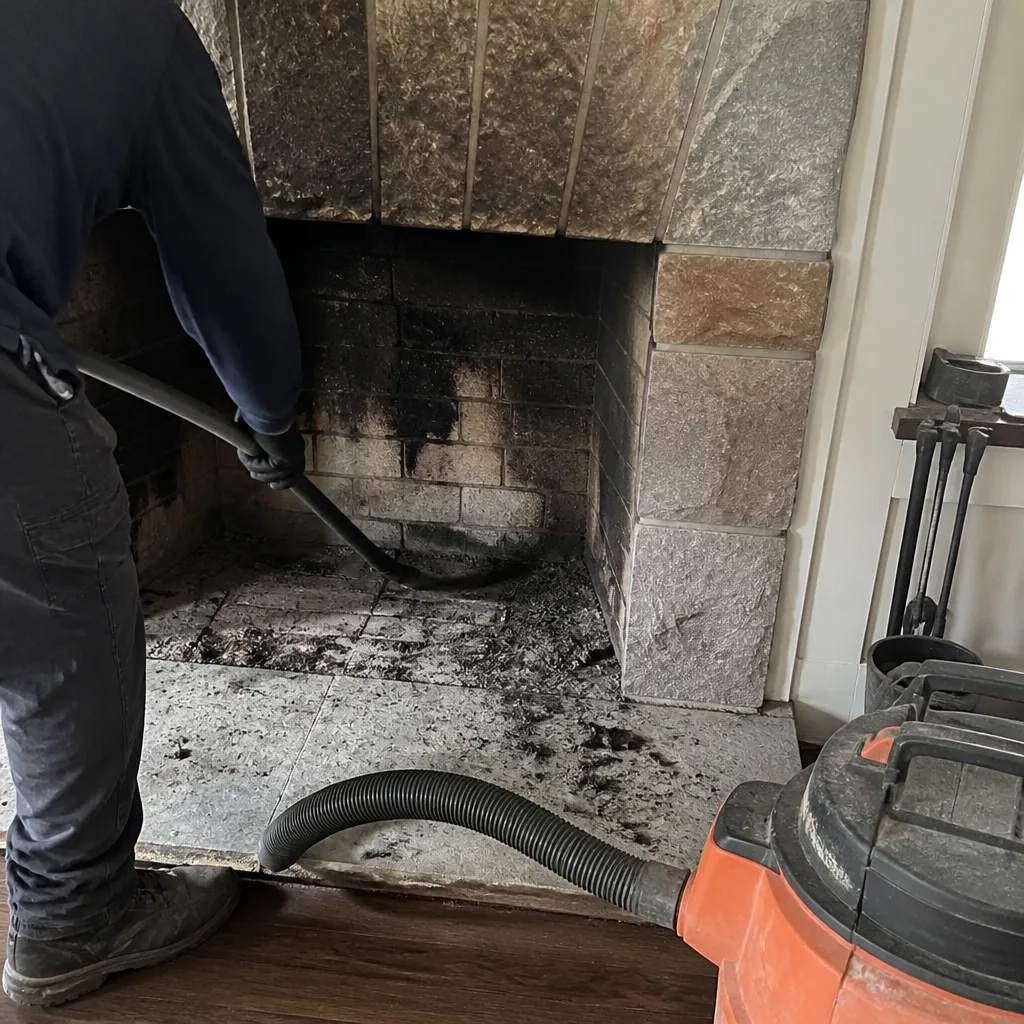 Before
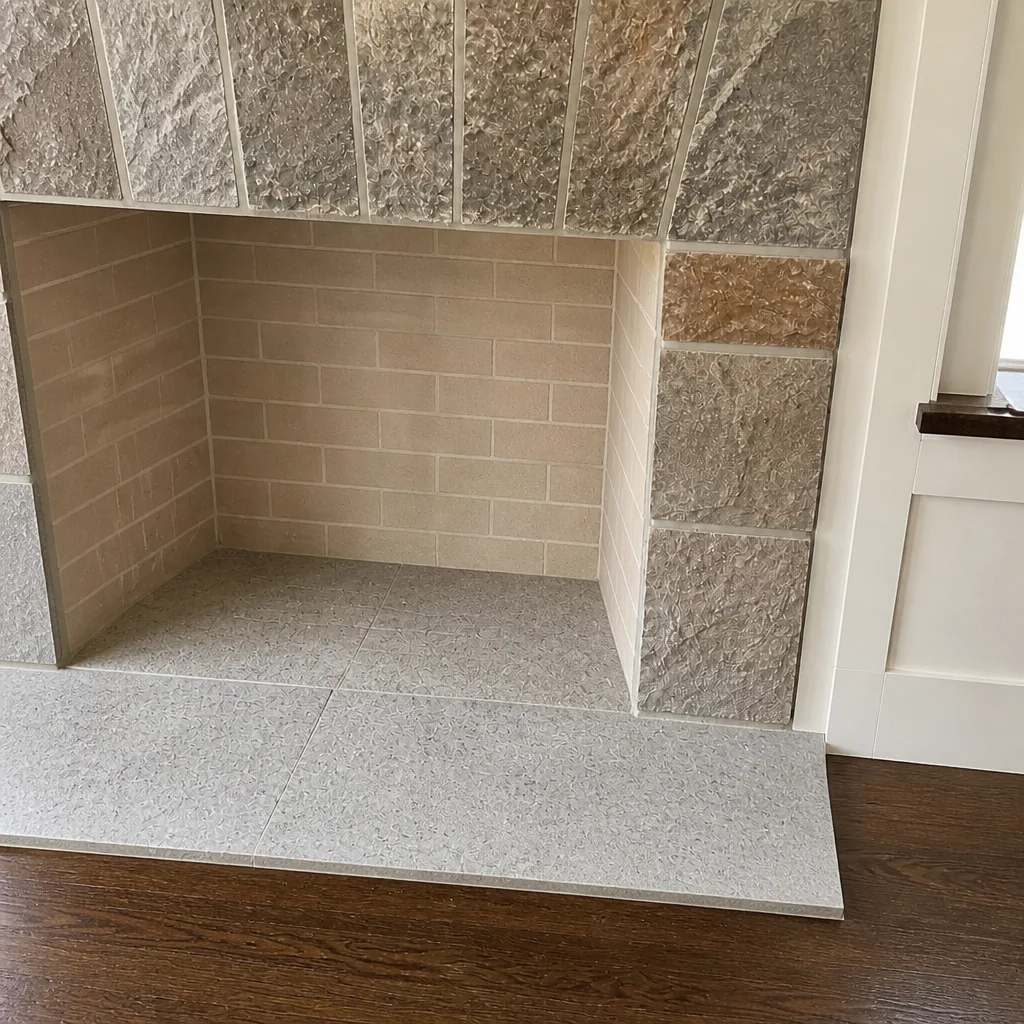 After
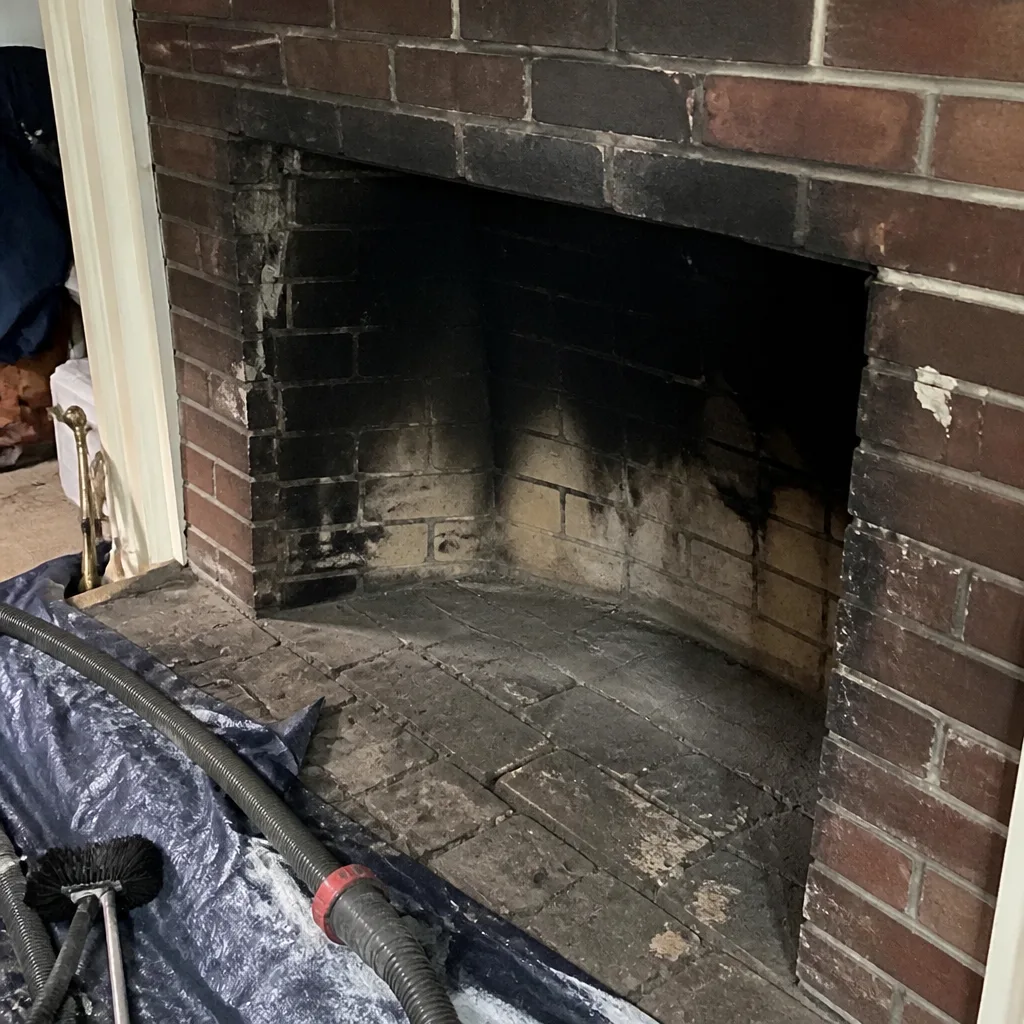 Before
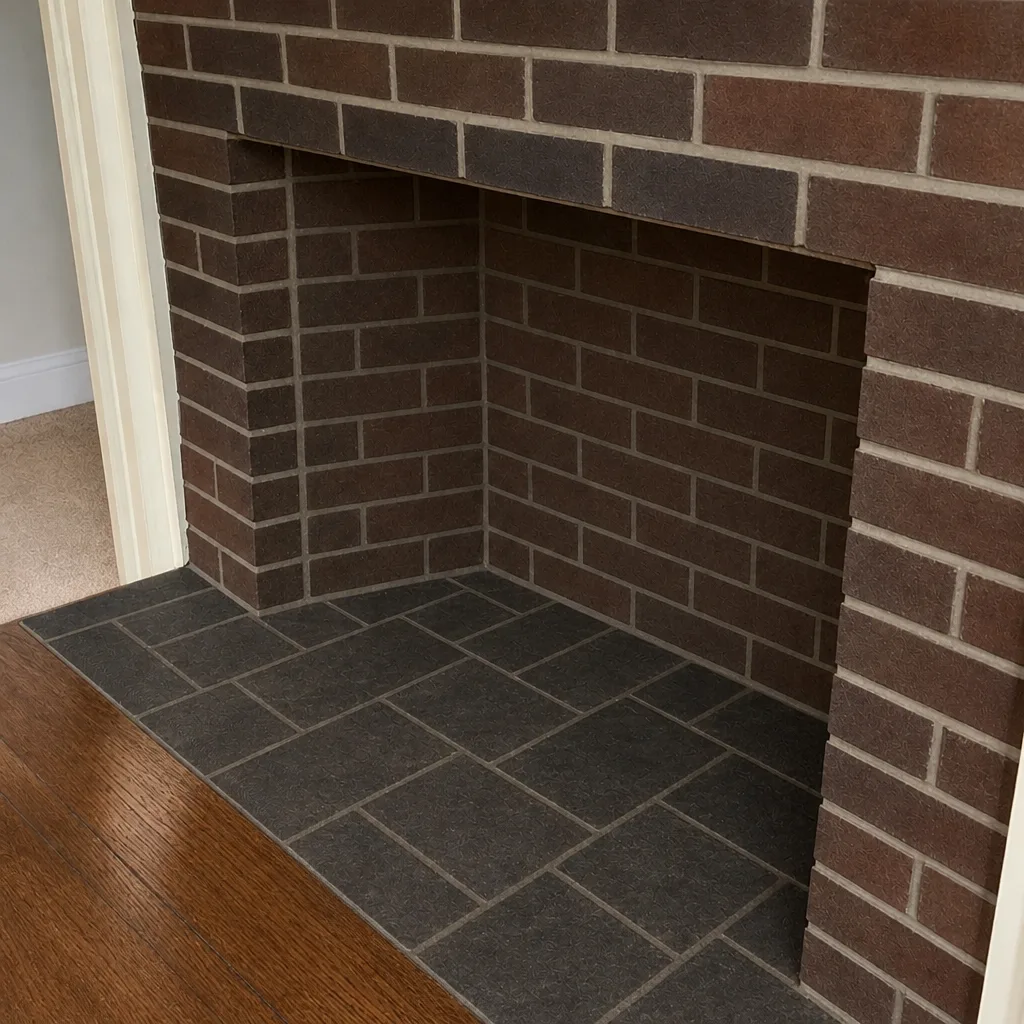 After
 Before
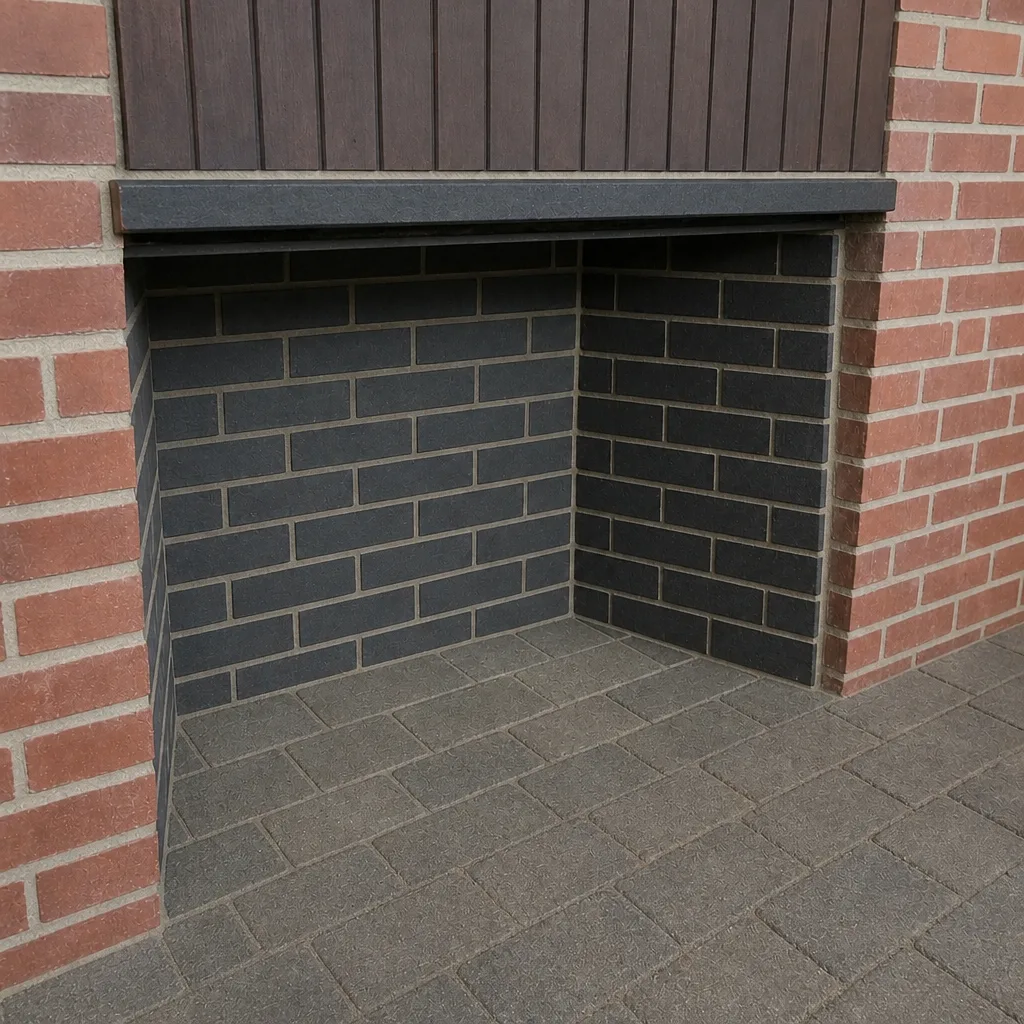 After
When to Call a Professional
Call right away if smoke is backing into the living space, if you smell sulfur or a strong odor that lingers with the fireplace on, if a CO detector sounds with a gas or wood appliance running, or if you see a huge creosote load through the open damper. Schedule a sweep within a few weeks if you see efflorescence, hairline crown cracks, dark staining around the fireplace opening, a damper that no longer closes flush, or creosote you can see up the flue. The system is designed to be inspected, cleaned, and repaired by someone who handles all of it, not just the sweep. Chimney Sweep Pelham Bay offers free estimates in Pelham Bay. Call (877) 820-9084 to book a look at the signs you’re seeing.
Frequently Asked Questions
The most common signs are efflorescence on exterior brick, hairline cracks in the crown, a damper that slowly stops closing flush, dark staining around the fireplace opening, and visible creosote up the flue. Smoke backdrafting into the room or a strong sulfur smell are less common but more urgent. Call (877) 820-9084 if any of these are showing; estimates are free.
White staining, called efflorescence, means water is moving through the masonry and that’s a signal worth acting on. It doesn’t mean the chimney has failed yet, but it does mean moisture is inside the system doing slow damage. Get the crown and cap checked before the next freeze-thaw season; call (877) 820-9084 for an estimate.
A normal fireplace smells of woodsmoke during a fire and for a short time after. A sulfur or rotten-egg smell, a lingering odor in other rooms with no fire burning, or symptoms like headache and nausea with a fireplace or gas appliance running are the signs to treat as a possible gas problem. A CO detector on every level is your backstop. If you have any of the gas-problem signs, call (877) 820-9084.
Gas inserts show trouble through lazy yellow flames, soot on the logs or glass, a lingering smell after the unit is off, and moisture or corrosion on the flue. Homeowners often misread these as normal appliance behavior because the unit still lights. They aren’t normal. A flue inspection settles it; call (877) 820-9084 for an estimate.
Yes. A cold fireplace, an open damper, and a flashlight will show you creosote, a visible blockage, damper condition, and the smoke chamber. You’re not repairing anything and you’re not reaching into the flue; you’re just spotting changes early. If step two or three turns up a real problem, stop and call (877) 820-9084.
Creosote keeps building in the flue, and a heavy glazed load is the fuel a chimney fire needs. You’ll usually see no warning until the flue is already a real fire risk, which is why the quiet signs matter. A cleaning and inspection breaks that cycle before it becomes a repair. Call (877) 820-9084 to schedule one.
The Bottom Line
The signs worth catching are the quiet ones: efflorescence pushing out of the brick, a damper that no longer closes flush, a hairline crack in the crown, dark staining around the fireplace opening. Those show up months before a hazard becomes an emergency, and a sweep and inspection catches them while the fix is still simple. Smoke backdrafting, a sulfur smell, or a CO detector sounding are the stop-and-call signs. You don’t need a roof to spot the early warnings; five minutes with a flashlight up the flue will show you most of them. If any of these signs are showing in your Pelham Bay home, Chimney Sweep Pelham Bay can look at the whole system, from the crown to the firebox, and tell you what can safely wait and what can’t. The estimate is free. Call (877) 820-9084 to book. We answer 24/7. Fast dispatch from 7am to 7pm, Sunday through Friday.
Same-Day Repair
When a warning sign turns out to be a real problem, the next question is who fixes it. Our chimney repair work covers the crown, the flue, the firebox, and the cap, so a diagnosis from a sweep leads straight into the fix rather than a second contractor and a second estimate. Our technicians have up to 15 years of experience, and we work with professional-tier lines including DuraFlex, HeatShield, Gelco, Olympia Chimney, and Famco, which means a liner issue in an older or offset flue has a proper option. We answer 24/7 at (877) 820-9084, and the estimate is free. Fast dispatch from 7am to 7pm.
Written by the team at Chimney Sweep Pelham Bay.